Best Crypto Wallets
Securing your digital assets is paramount in this rapidly evolving cryptocurrency world.
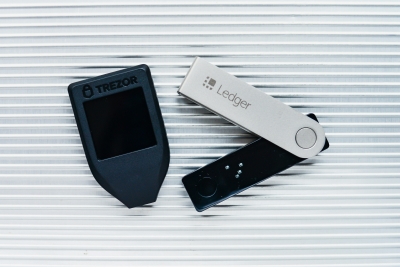
Best crypto wallets keep giving users a safe and convenient way to store, send, and receive their
cryptocurrencies. These wallets come in several forms: hardware wallets, software wallets, and mobile
applications, each offering distinct features and levels of security. Whether it is an old or a beginner
investor, knowing the different types is useful while deciding on the most suitable one. By giving
priority to security, user-friendliness, and access, the best crypto wallets can make sure that the
investments stay secure while allowing you to have a certain degree of flexibility in handling your
assets.
Bitcoin (BTC) is the first and most well-known cryptocurrency, created
in
2009 by an anonymous entity known as Satoshi Nakamoto. Bitcoin operates on a decentralized
peer-to-peer network, allowing users to send and receive payments without the need for
intermediaries
like banks. As a pioneer of blockchain technology, Bitcoin has set the standard for digital
currencies.
With a finite supply of 21 million coins, Bitcoin is often compared to gold due to its
scarcity and store of value properties. Over the years, Bitcoin has grown in popularity as both an
investment asset and a medium of exchange. It is now widely accepted by various merchants,
institutions,
and even governments.
Key Features of Bitcoin
- Decentralization: Bitcoin runs on a global network of computers (nodes),
ensuring
no central authority controls it.
- Limited Supply: There will only ever be 21 million bitcoins, driving scarcity
and
demand.
- Blockchain Technology: Bitcoin transactions are verified and recorded on an
immutable public ledger.
- Security: Bitcoin uses cryptographic techniques to secure transactions, making
it
highly resistant to fraud.
Why Bitcoin is Important
Bitcoin is not just a digital currency but a financial revolution. It introduced the
concept
of decentralized finance, offering users freedom from traditional banking systems and centralized
control. Bitcoin has become a symbol of economic freedom, and its underlying blockchain technology
has
paved the way for innovation across multiple industries.
Ethereum (ETH) is the second-largest cryptocurrency by market
capitalization and is widely known for its innovative smart contract capabilities. Created by
Vitalik Buterin in 2015, Ethereum enables developers to build decentralized applications
(DApps) on its blockchain, setting it apart from Bitcoin, which is mainly used as a store of value
and
medium of exchange.
Ethereum’s blockchain goes beyond simple transactions by offering a programmable
platform
for various applications such as decentralized finance (DeFi), non-fungible tokens (NFTs), and more.
Its
native cryptocurrency, Ether (ETH), is used to facilitate transactions and power smart contracts
within
the Ethereum ecosystem.
Key Features of Ethereum
- Smart Contracts: Ethereum allows developers to create self-executing contracts
that
automatically enforce agreements, eliminating the need for intermediaries.
- Decentralized Applications (DApps): Ethereum supports the development of
decentralized applications that operate on a global, distributed network.
- Ethereum 2.0: Ethereum is transitioning to a proof-of-stake (PoS) consensus
mechanism, which will enhance scalability, security, and sustainability.
- Interoperability: Ethereum serves as a platform for various tokens and
projects,
fostering a robust ecosystem of decentralized solutions.
Why Ethereum is Important
Ethereum is more than just a cryptocurrency; it is a blockchain platform that has
revolutionized how developers build and deploy decentralized solutions. Its smart contract
capabilities
have unlocked new possibilities in DeFi, NFTs, and beyond, making Ethereum a driving force in the
broader adoption of blockchain technology. As Ethereum continues to evolve with the Ethereum 2.0
upgrade, it is poised to remain a foundational pillar of the decentralized web.
Tether (USDT) is a widely used stablecoin that is pegged to the value
of
the US dollar. Launched in 2014, Tether offers the benefits of cryptocurrency, such as fast,
borderless
transactions, while minimizing volatility by maintaining a 1:1 ratio with the US dollar. Each Tether
token is backed by reserves, which are held to match the circulating supply of USDT.
Tether is primarily used as a stable store of value, a medium of exchange, and a way to
move
between different cryptocurrencies without converting to fiat currency. It has become the go-to
stablecoin for traders and investors looking for a reliable digital asset that maintains price
stability, especially during times of market volatility.
Key Features of Tether (USDT)
- Price Stability: Tether maintains a 1:1 peg with the US dollar, making it a
reliable stablecoin for transactions and holdings.
- Liquidity: Tether is one of the most liquid stablecoins, allowing users to
trade in
and out of different cryptocurrencies easily.
- Transparency: Tether Limited publishes regular reports on its reserves,
ensuring
that each USDT token is fully backed.
- Cross-Chain Support: Tether operates on multiple blockchains, including
Ethereum,
Tron, and others, making it versatile and widely accessible.
Why Tether is Important
Tether has played a crucial role in the cryptocurrency ecosystem by providing a stable
asset
that can be used during volatile market conditions. Its stability and liquidity have made it an
essential tool for traders, exchanges, and platforms worldwide. As the largest stablecoin by market
cap,
USDT helps bridge the gap between traditional financial systems and the growing world of digital
assets.
Binance Coin (BNB) is the native cryptocurrency of the Binance
ecosystem, one of the largest cryptocurrency exchanges in the world. Launched in 2017 through an
Initial Coin Offering (ICO), BNB was initially created as a utility token for discounted trading
fees on the Binance platform. Over time, its use cases have expanded significantly, making BNB a key
asset in the broader crypto ecosystem.
Today, Binance Coin powers the Binance Smart Chain (BSC), a blockchain platform known
for its low transaction fees and high-speed transactions. BNB is also used in a variety of
applications, including decentralized finance (DeFi), payment for goods and services, and as part of
Binance’s quarterly token burn program, which reduces the overall supply of BNB.
Key Features of Binance Coin (BNB)
- Utility Token: Initially designed for discounted trading fees on Binance, BNB
now has multiple uses, including DeFi, token burns, and more.
- Binance Smart Chain (BSC): BNB is the native token of BSC, enabling fast and
low-cost transactions across decentralized applications (DApps).
- Deflationary Model: Binance regularly burns BNB tokens to reduce supply and
potentially increase the value of remaining coins.
- Wide Adoption: BNB can be used for payments, travel bookings, and other
services, further increasing its demand and utility.
Why Binance Coin is Important
Binance Coin has become an essential part of the cryptocurrency space due to its
versatility and connection to one of the largest crypto exchanges. Its role within Binance Smart
Chain has expanded its utility beyond just a trading fee token. With continuous innovation and the
growing ecosystem of BSC, BNB has established itself as a key player in the digital asset world.
Solana (SOL) is a high-performance blockchain platform known for its
scalability, low transaction fees, and fast processing times. Launched in 2020, Solana has quickly
become one of the leading platforms for decentralized applications (DApps) and decentralized finance
(DeFi). Its underlying Proof-of-History (PoH) consensus mechanism allows Solana to process thousands
of transactions per second, significantly faster than many other blockchain networks.
Solana’s blockchain is designed to provide the infrastructure needed for mass adoption
of cryptocurrencies, making it a popular choice for developers building DApps, NFTs, and DeFi
projects. The native token, SOL, is used to pay transaction fees and for staking to support the
network's security and operations.
Key Features of Solana (SOL)
- High-Speed Transactions: Solana can handle up to 65,000 transactions per
second, far exceeding many other blockchains.
- Low Transaction Costs: Transaction fees on the Solana network are extremely
low, making it accessible for a wide range of users and applications.
- Proof-of-History Consensus: Solana’s unique PoH system allows for faster and
more efficient block confirmation times.
- Scalability: Solana’s architecture ensures that the network remains scalable
without compromising security or decentralization.
Why Solana is Important
Solana is positioned as a major player in the blockchain industry, thanks to its high
speed, low fees, and scalability. It has gained popularity in sectors such as DeFi, NFTs, and
gaming, making it a go-to platform for developers and users looking for a reliable and efficient
blockchain solution. As the ecosystem continues to grow, Solana's importance in driving the next
wave of blockchain innovation is undeniable.
USD Coin (USDC) is a stablecoin pegged to the US dollar, designed to
provide a reliable digital currency that maintains a 1:1 value with USD. Launched in 2018 by Circle
and Coinbase, USDC has quickly become one of the most trusted stablecoins in the cryptocurrency
market, used extensively for trading, payments, and as a reserve currency in decentralized finance
(DeFi) applications.
Each USDC is backed by fully reserved assets, with monthly attestations from independent
auditors to verify that the supply of USDC is fully backed by US dollars or equivalent assets held
in reserve. This transparency and regulatory compliance have helped USDC gain widespread adoption
among users and institutions alike.
Key Features of USD Coin (USDC)
- Fiat-Backed: Each USDC is backed 1:1 by US dollars, ensuring price stability
and reliability.
- Transparency: USDC undergoes regular audits to verify its reserves, promoting
trust among users.
- Wide Acceptance: USDC is accepted by many exchanges and platforms, making it a
popular choice for trading and transactions.
- ERC-20 Token: USDC is built on the Ethereum blockchain, enabling
interoperability with a wide range of decentralized applications (DApps).
Why USD Coin is Important
USD Coin plays a vital role in the cryptocurrency ecosystem by providing a stable asset
that can be easily traded or used for transactions. Its reliability and transparency make it an
essential tool for users seeking to navigate the volatile crypto markets. As DeFi continues to grow,
USDC's role as a stable medium of exchange and a store of value becomes increasingly significant.
XRP (Ripple) is a digital asset and cryptocurrency designed for fast
and cost-effective cross-border payments. Launched in 2012 by Ripple Labs, XRP aims to enable
secure, instant, and low-fee international money transfers. Unlike many other cryptocurrencies, XRP
does not rely on mining; instead, it utilizes a unique consensus protocol to validate transactions,
making it highly efficient.
XRP has gained significant traction among financial institutions and payment providers
due to its ability to settle transactions within seconds and its low transaction costs. It serves as
a bridge currency in the RippleNet network, facilitating the transfer of value between different
fiat currencies, which enhances liquidity and efficiency in global financial transactions.
Key Features of XRP (Ripple)
- Fast Transaction Speeds: XRP transactions are confirmed in just a few seconds,
making it one of the quickest cryptocurrencies for cross-border payments.
- Low Transaction Fees: The cost of sending XRP is minimal, often fractions of a
cent, which is advantageous for large-volume transfers.
- Decentralized Network: While Ripple Labs developed XRP, the network operates in
a decentralized manner, with validators ensuring transaction security and integrity.
- Bank Partnerships: XRP has established partnerships with numerous banks and
financial institutions, increasing its adoption in the mainstream finance sector.
Why XRP is Important
XRP plays a crucial role in the evolution of the financial system by providing an
efficient alternative for traditional cross-border payments. Its ability to facilitate fast and
cost-effective transactions positions XRP as a valuable tool for financial institutions seeking to
modernize their payment infrastructure. As global demand for quicker and cheaper payment solutions
grows, XRP's significance in the cryptocurrency market continues to rise.
Staked Ether (stETH) is a token representing Ether (ETH) that has been
staked in the Ethereum 2.0 network. Launched by Lido Finance, stETH allows users to earn staking
rewards while maintaining the liquidity of their staked assets. By staking ETH, users contribute to
the security and operation of the Ethereum blockchain, which has transitioned from a proof-of-work
(PoW) to a proof-of-stake (PoS) consensus mechanism.
Each stETH token is backed by staked ETH and its accrued rewards, enabling users to
access the benefits of staking without locking up their funds. This innovative approach allows stETH
holders to participate in decentralized finance (DeFi) activities, such as lending and trading,
while still earning staking rewards from the Ethereum network.
Key Features of Staked Ether (stETH)
- Liquidity: stETH provides liquidity for staked ETH, allowing users to trade or
utilize their staked assets in DeFi protocols.
- Earn Staking Rewards: By holding stETH, users earn rewards from the Ethereum
network, reflecting the yield on their staked ETH.
- Decentralized Staking: Lido Finance enables users to stake ETH without
requiring a minimum amount, making it accessible for all users.
- Integration with DeFi: stETH can be used across various DeFi platforms,
enhancing its utility within the broader cryptocurrency ecosystem.
Why Staked Ether is Important
Staked Ether plays a significant role in the evolving Ethereum ecosystem by providing a
flexible staking solution that enhances user engagement in the network. With Ethereum's transition
to PoS, stETH helps increase the overall staking participation rate, ensuring the security and
efficiency of the blockchain. Its liquidity and utility in DeFi applications contribute to a more
vibrant and accessible cryptocurrency landscape.
Dogecoin (DOGE) is a cryptocurrency that started as a joke but has
since gained significant popularity and a dedicated community. Launched in December 2013 by software
engineers Billy Markus and Jackson Palmer, Dogecoin features the Shiba Inu dog from the "Doge" meme
as its logo. Initially created to satirize the proliferation of altcoins, Dogecoin has evolved into
a legitimate digital asset used for tipping and charitable donations.
Dogecoin operates on a decentralized, peer-to-peer network, enabling fast and low-cost
transactions. Unlike Bitcoin, which has a capped supply, Dogecoin has no maximum limit, with
millions of new coins mined each year. This inflationary model has contributed to its accessibility
and use for microtransactions within the cryptocurrency community.
Key Features of Dogecoin (DOGE)
- Strong Community Support: Dogecoin boasts a vibrant and enthusiastic community
that supports various charitable initiatives and fun projects.
- Fast Transactions: Dogecoin transactions are confirmed within a minute, making
it suitable for quick payments and tipping.
- Low Transaction Fees: The cost of sending Dogecoin is minimal, encouraging its
use for microtransactions.
- Accessibility: With no maximum supply, Dogecoin remains affordable for new
investors and users, promoting widespread adoption.
Why Dogecoin is Important
Dogecoin has transformed from a meme-based cryptocurrency into a widely recognized
digital asset, showcasing the potential for community-driven initiatives in the crypto space. Its
focus on fun, accessibility, and charitable causes has made it a gateway for many people entering
the cryptocurrency world. As more users engage with Dogecoin, its influence and significance in the
market continue to grow, highlighting the diverse applications of cryptocurrencies beyond
traditional finance.
Toncoin (TON) is the native cryptocurrency of the TON (The Open
Network) blockchain, originally developed by the team behind Telegram. Launched in 2021, Toncoin
aims to facilitate fast and secure transactions while enabling a wide range of decentralized
applications (dApps) on its platform. The TON blockchain is designed to handle millions of
transactions per second, making it one of the fastest blockchain networks in existence.
Toncoin serves various functions within the TON ecosystem, including transaction fees,
staking, and governance. The unique architecture of the TON blockchain allows for scalability and
efficiency, with features like sharding and a multi-blockchain structure. This enables developers to
build innovative applications and services, positioning Toncoin as a critical component of the
growing decentralized finance (DeFi) landscape.
Key Features of Toncoin (TON)
- High Scalability: The TON blockchain can process millions of transactions per
second, ensuring fast and reliable operations.
- Decentralized Applications: Toncoin supports a variety of dApps, enabling
developers to create diverse solutions on its platform.
- Staking and Governance: TON holders can stake their coins to earn rewards and
participate in governance decisions, influencing the development of the network.
- Integration with Telegram: Toncoin aims to leverage Telegram's large user base,
facilitating easy access to cryptocurrency services for millions of users worldwide.
Why Toncoin is Important
Toncoin plays a crucial role in the evolution of blockchain technology by combining
speed, scalability, and usability. Its connection to Telegram provides a unique advantage,
potentially bringing cryptocurrency to mainstream users. As the demand for efficient and
user-friendly blockchain solutions grows, Toncoin's significance in the market continues to rise,
offering innovative opportunities for developers and users alike.
Cardano (ADA) is a third-generation cryptocurrency platform founded by
Charles Hoskinson, co-founder of Ethereum. Launched in 2017, Cardano aims to create a more secure
and scalable blockchain ecosystem through a research-driven approach and peer-reviewed development.
Unlike many cryptocurrencies, Cardano emphasizes a layered architecture that separates the
settlement layer from the computation layer, enhancing flexibility and security.
The native cryptocurrency of the Cardano platform, ADA, is used for transactions,
staking, and governance within the network. Cardano utilizes a proof-of-stake consensus mechanism
called Ouroboros, which is designed to be more energy-efficient than traditional proof-of-work
systems. This approach allows ADA holders to participate in the network’s security while earning
rewards through staking.
Key Features of Cardano (ADA)
- Research-Driven Development: Cardano's development is based on academic
research and formal verification, ensuring a robust and secure blockchain.
- Scalability and Sustainability: The platform is designed to handle high
transaction volumes while maintaining low fees and energy consumption.
- Interoperability: Cardano aims to facilitate communication and interaction
between different blockchains, enhancing its utility in the broader ecosystem.
- Governance: ADA holders can participate in the decision-making process
regarding network upgrades and changes, fostering a decentralized governance model.
Why Cardano is Important
Cardano represents a significant advancement in blockchain technology, focusing on
sustainability, scalability, and interoperability. By providing a platform for the development of
decentralized applications and smart contracts, Cardano empowers developers and users alike to
create innovative solutions. Its emphasis on formal methods and peer-reviewed research sets it apart
from many other projects in the cryptocurrency space, making it a promising contender for the future
of decentralized finance (DeFi) and blockchain applications.