Everything you need to know about Moodeng Meme Coin
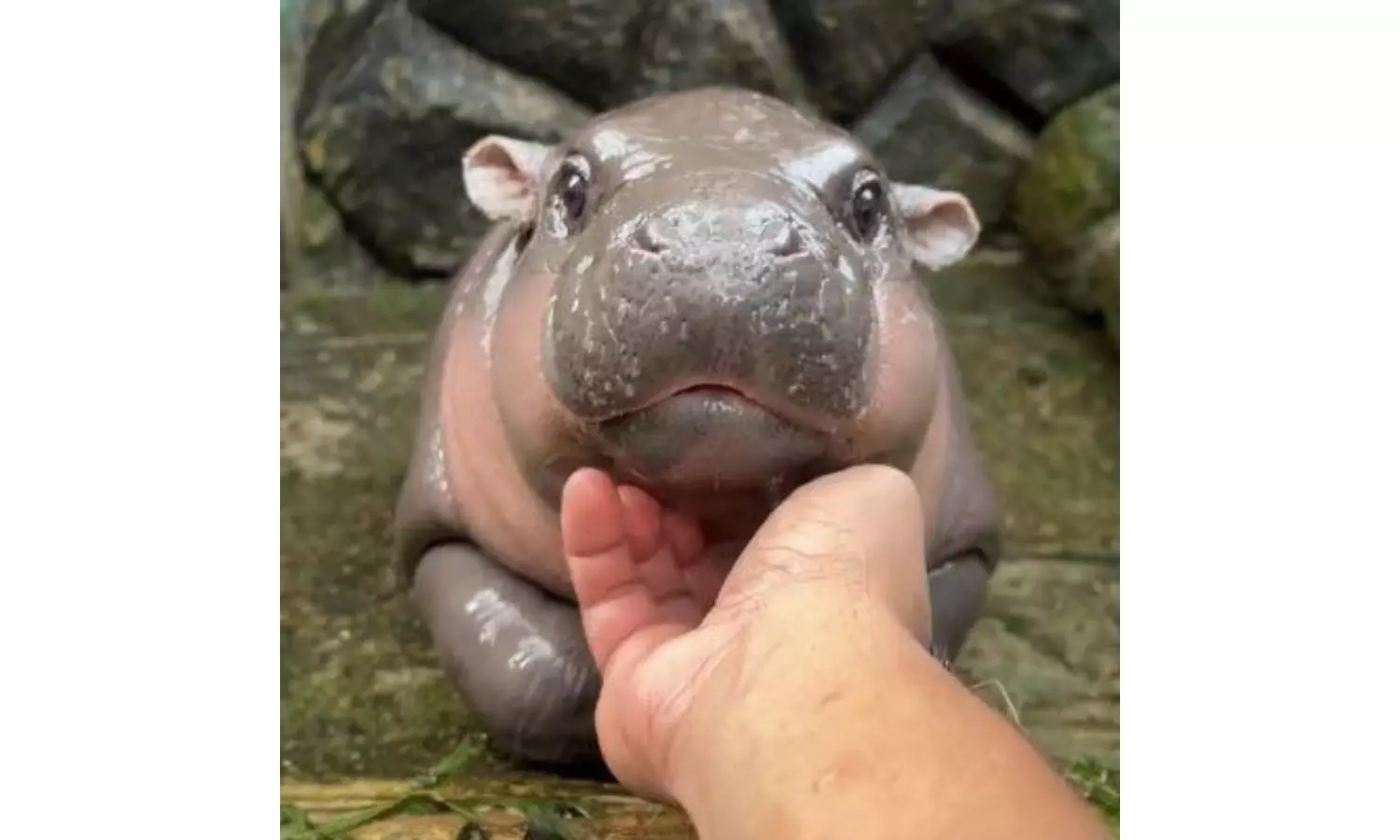
Moo Deng, a charming two-month-old pygmy hippo known for her playful antics and adorable expressions,
has become the inspiration for a new meme coin.A cryptocurrency enthusiast recently reported turning
their investment of 1 lakh into a multimillion-dollar fortune in just 17 days after investing in the
newly launched Moo Deng meme coin. The user, known as Lookonchain, shared a screenshot on X, revealing
their investment of 1,300 dollars (approximately 1 lakh) in Moodeng coins on September 10. Shortly
after, as the price of the meme coin skyrocketed, their investment reportedly surged to over 12 million
dollars. This means the crypto user's initial investment of 1 lakh grew to more than 100 crore in just
17 days, according to the post.Meme CoinMeme coins are cryptocurrencies named after popular memes and
viral content, often featuring animals. Moodeng coinThe Moodeng coin was inspired by a baby hippo in
Thailand that became viral on social media sensation for her small size and playful videos. Like other
meme coins, such as Dogecoin, Moodeng coin isn't backed by any real asset. However, it’s leading the
pack among wildlife-themed meme coins, reportedly trading at nearly twice the price of Dogecoin.
According to Fortune, Moodeng's price has surged by more than 1,400% since its launch on September 10,
though some investors warn the value could drop suddenly.Moo Deng, whose name means "bouncy pork" in
Thai, has quickly become an internet sensation. The two-month-old pygmy hippo went viral on TikTok and
Instagram with her playful antics, inspiring a wave of merch, memes, and even DIY tutorials on
crocheting or baking Moo Deng-themed creations. Fans from around the globe have flocked to see her in
person, leading keepers to limit her viewing time to just five minutes per visitor due to overwhelming
demand.Her caretaker and social media manager credit short-form videos for skyrocketing the baby hippo's
fame, hoping it will raise awareness for biodiversity conservation.According to the International Union
for Conservation of Nature, pygmy hippos are the natives of West Africa. They are facing threats due to
human activities like logging, mining, and poaching, and only 2,000 to 2,500 remain in the wild today.