The Most Important Difference Between Bitcoin And Crypto
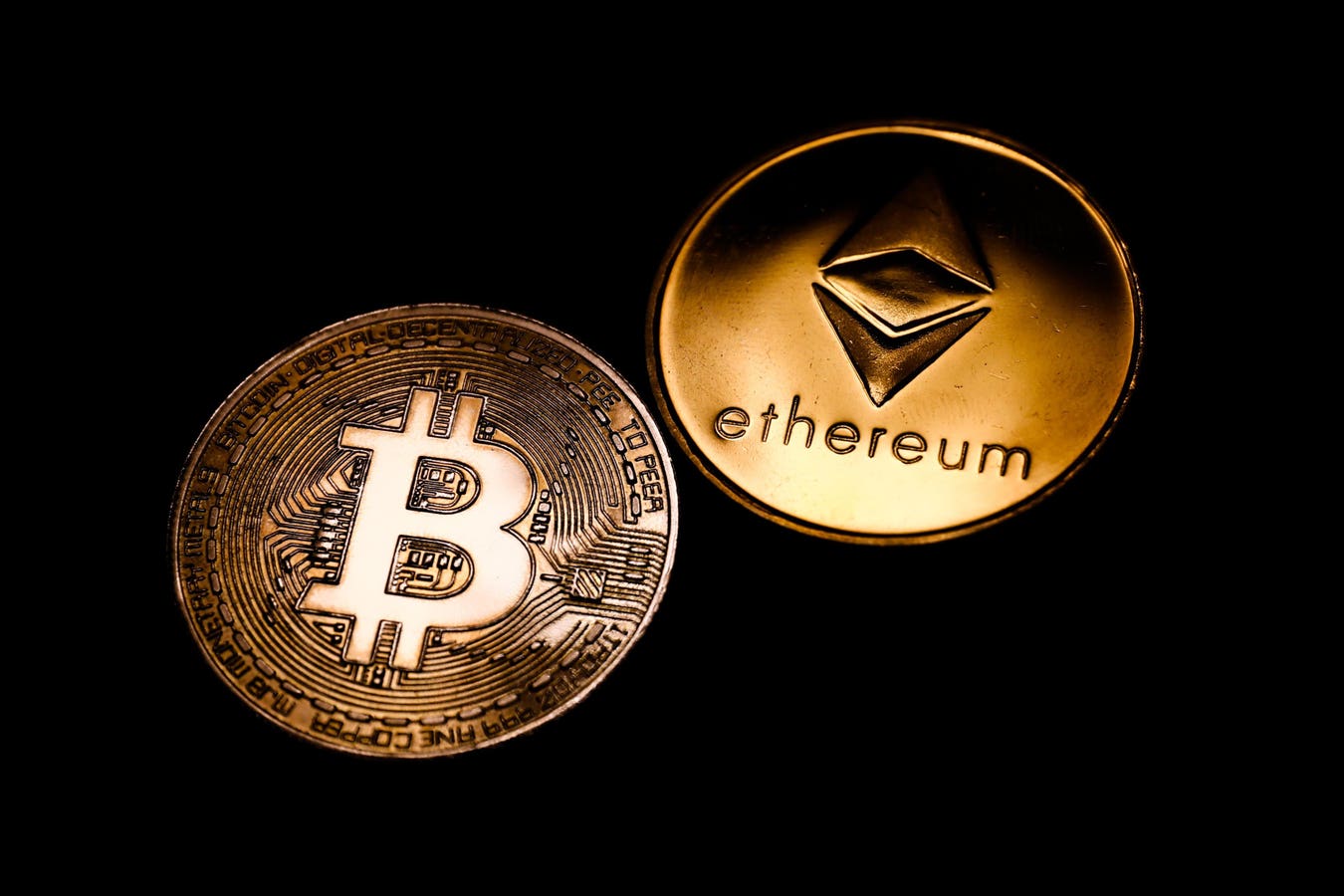
Share to Facebook Share to Twitter Share to Linkedin Representation of Bitcoin and Ethereum
cryptocurrencies are seen in this illustration photo taken in ... [+] Krakow, Poland on September 18,
2022. (Photo by Jakub Porzycki/NurPhoto via Getty Images) NurPhoto via Getty Images Bitcoin is the
first, most popular, and biggest cryptocurrency by market cap. However, many Bitcoin advocates draw a
sharp contrast between bitcoin and the broader “crypto” space. Michael Saylor, founder of MicroStrategy
and a bitcoin bull, voiced this on CNBC's "Squawk on the Street." He said, "Speaking for all the
bitcoiners, we feel trapped in a bad relationship with crypto, and we want out." Why such a stark divide
between terms that appear closely related both linguistically and technologically? After all, every
cryptocurrency is built on blockchain — a technology that allows transferring digital assets through a
decentralized network, which maintains and updates the ever-growing transactions ledger. The essence of
“bitcoin, not crypto” lies in the concept of decentralization. So far, no blockchain can compete with
Bitcoin in this respect. However, we may still reconcile this perspective with the existence of other
blockchains by recognizing the different purposes they serve. Decentralization Is A Spectrum
Decentralization is a solution to avoiding central authority flaws. Bitcoin is revolutionary in
achieving a truly decentralized value transfer system, based on cryptology and economic incentive — new
bitcoin and transaction fees paid to the miners. In return, miners invest in specialized hardware and
spend a lot of electricity. They do this to find proof-of-work for each block, thus securing the
blockchain. Miners are motivated to keep Bitcoin safe, operating, and most importantly,
censorship-resistant. An alternative to PoW is proof-of-stake, which requires validators to stake the
blockchain’s currency to prove their good intentions. This consensus and its variations are now the most
popular among blockchains, as they allow for higher scalability. However, PoS can create an oligarchic
system. The more coins you stake, the higher your chances of adding a block and earning a reward. This
makes you wealthier, allowing you to stake more coins. Unlike bitcoin miners, whose power remains
unchanged after mining a block, PoS validators can grow their influence. MORE FOR YOU Today’s NYT Mini
Crossword Clues And Answers For Thursday, October 3 NYT ‘Strands’ Today: Hints, Spangram And Answers For
Thursday, October 3rd Federal Judge Halts California’s New Anti-Deepfakes Law—Musk Says Its ‘Score One’
For Free Speech Furthermore, centralization concerns extend beyond the PoS consensus. A small number of
nodes, liquid staking protocols pooling user funds, nodes hosted by centralized services, high hardware
requirements, and centralization risks related to MEV (maximal extractable value) practices are just
some of the problems that most blockchains must face. On Ethereum, one of the most decentralized
blockchains other than Bitcoin, nearly 35% of staked coins come from the top three decentralized liquid
staking services, according to Dune Analytics. Another 20% come from the top three centralized services.
Additionally, 69% of Ethereum nodes are hosted by three centralized providers, and 90% of the blocks are
ordered by just three MEV-optimizing builders. With 1.16 TB, Ethereum blockchain weighs almost twice as
much as Bitcoin (604 GB), making participation harder for average users. Yes, most blockchains are much
less decentralized and therefore less censorship-resistant than Bitcoin. Moreover, unlike Bitcoin, which
Satoshi Nakamoto handed to the community less than two years after its launch, most other blockchains
are still tied to their founders. This group of insiders, including early investors, often retains
significant control, notably through pre-minted coins. This further concentrates their wealth and power.
Does this mean that the whole “crypto” space is useless? It may be too early to say that.
Decentralization is a spectrum, and even less decentralized platforms still offer users more freedom and
control than traditional web services. This gives them the potential to serve various use cases beyond
money. Not All Cryptocurrencies Are Currencies Bitcoin’s primary goal is to create and sustain
independent money. As more people place their trust in bitcoin as an alternative to traditional
currencies, its value grows accordingly. In contrast, most other blockchains, like Ethereum or Solana,
were designed as multi-purpose smart contract platforms. Their goal is to enable the development of
decentralized applications, called dapps. Using these blockchains, the next phase of the internet, known
as Web3, could enable innovative use cases ranging from gaming and social media to finance, commerce,
and beyond. In this perspective, ether, the native coin of Ethereum, is not a cryptocurrency. While it
can be invested in or traded, ether is more of a utility asset for Web3 than general-purpose money. Its
primary role is to power the Ethereum blockchain, functioning as payment for transactions and an
incentive for validators. As Ethereum-based dapps gain popularity, demand for ether increases to cover
transaction costs. Also, smart contract platforms’ founding teams often operate much like traditional
companies. They deal with issues like finding investment, solving technical problems, building
communities, and marketing their products. The value of these blockchains' native coins reflects the
quality of this work, distancing them from the notion of independent currency. In the Web3 space, many
consider such an organization necessary to innovate, and it’s hard to disagree. However, efficiency at
the expense of decentralization goes against the cypherpunk ethos. This further increases the divide
between Bitcoin and crypto. Web3 is buzzing with activity. Yet, according to DappRadar, the top 15
blockchains collectively register only 165 million unique active wallets per month. The future of the
space will likely hinge on finding the right balance between decentralization and innovation. It will
also depend on the teams’ ability to pass on their projects to the community when the time comes.
Blockchain-Based Tokens Beyond native coins like bitcoin and ether, blockchains host a wide array of
tokens, each with different functions and levels of decentralization. These tokens include stablecoins,
memecoins, protocol tokens, and all sorts of digital units that anyone can easily create using a smart
contract. The tokens share the blockchain environment with native coins, but their value depends on the
project that issued them. For years, the tokens fueled bitcoin maximalists’ disdain for all crypto but
bitcoin. Numerous crypto scams, mostly involving such tokens, have caused significant reputational
damage to the crypto space. They have even tarnished bitcoin in the process. With the introduction of
Ordinals and Runes, some bitcoiners have reconsidered their stance on tokens. These protocols, which
assign value to satoshis (bitcoin’s smallest units) or create tokens on Bitcoin, have sparked
discussions about new use cases for the blockchain. However, following the initial hype, both protocols
now see only modest usage. Since their peak in 2023, daily Ordinals inscriptions have dropped from over
400,000 to around 40,000. Runes etchings have fallen from over 35,000 in April to fewer than 400. So
far, bitcoin's role as a better form of money is its main use, overshadowing any other. In short,
bitcoin remains unmatched in its decentralization and primary role as an alternative form of money.
Meanwhile, the broader crypto space is willing to compromise decentralization for innovation and new use
cases. As a result, bitcoin and crypto are growing increasingly distinct. Follow me on Twitter or
LinkedIn. Check out my website. Marie Poteriaieva Following Editorial Standards Forbes Accolades