Crypto News on 04 Oct, 2024

     Catch up on all the key developments in the cryptocurrency world from October 2, 2024. On this day, the crypto market saw significant movements, regulatory updates, and breakthrough announcements from leading blockchain projects. Explore in-depth analyses, price fluctuations, and expert commentary on trending coins and tokens. Whether you're tracking Bitcoin's latest performance or the rise of altcoins, our detailed coverage ensures you're always informed about the latest in crypto.

Written by Vivek

Admin

FBI warns users of fake cryptocurrency platform ICHCoin and believes there's more victims

HOUSTON, Texas (KTRK) -- The FBI is looking to identify additional victims of a fraudulent cryptocurrency platform that has taken millions of dollars from people across the U.S. FBI Houston's Assistant Special Agent in Charge Amanda Culver called ICHCoin both a "scheme" and a "scam." She said it starts with someone reaching out to the victims on social media, including Instagram or Facebook, and asking if the recipient wants to learn more about investing in cryptocurrency. She said the profiles reaching out are fake. The victims are then directed to WhatsApp to communicate with individuals claiming to teach them. From there, Culver said that people are urged to lie to their banks about the large wire transfer from the account to ICHCoin. According to the FBI, the victims can track the return on their investments on an ICHCoin app, but ultimately, there is no return on the investment. Culver said when the victims try to collect their money from the platform, they are ghosted and cannot get their money back. Throughout the investigation, the FBI found people who had lost their entire life savings on the fraudulent platform. "The average person could certainly be fooled by this scam," Culver said. ABC13 asked Culver if the person or persons behind it were in the U.S. or abroad, and she said they were working to find out. "I think it's important for people to know that any time you receive unsolicited messages from people asking you to invest, promising high rates of return on your investment, telling you that they're going to give you free money for you to invest, anything along those lines, those are red flags," Culver explained. "We want to make sure the word is out there that these fake platforms exist." Since December 2023, the FBI has found that approximately $30 million in the U.S. has been lost to the platform. "It is extremely easy to use these platforms to bamboozle people," Culver said. "It's a whole new world for folks. People are very interested in investing in cryptocurrency, and crypto is one of those platforms on which folks recognize that there can be a return on investment. The concern is that homework needs to be done." They have already identified victims of ICHCoin in Houston but are looking to hear more from them. Anyone who believes they have fallen victim can answer the questionnaire on the FBI's website. For more on this story, follow Mycah Hatfield on Facebook, X and Instagram.

 2024-10-04 01:42:41

read more

Announcing the final agenda for the Fintech Stage at TechCrunch Disrupt 2024

We’re incredibly excited to announce the final agenda for our dedicated Fintech Stage at TechCrunch Disrupt 2024. It joins Space, SaaS, AI and Builders as the other industry-focused stages — all under one big roof. As the fintech industry evolves, new opportunities abound for founders, investors, and customers. Areas such as mobile banking, global payroll, digital payments, embedded finance, and cryptocurrency are only growing in coming years. Open banking is still gaining speed in the United States as well. At Disrupt’s Fintech Stage, hear from leaders across the industry about what challenges they’ve faced so far and where the opportunities lie. Check out the final agenda below. The complete Fintech Stage agenda Finding the Consensus of Crypto VC With Morgan Beller (NFX), Will Nuelle (Galaxy VC), and Haseeb Qureshi (Dragonfly Capital) In the crypto space, it’s time to scale. All signs point toward a period of growth with high market prices, a more favorable regulatory landscape and a large ecosystem of scaling solutions that work. So let’s talk with investors who have backed some of the most influential protocols, exchanges, and decentralized apps. What’s the next big thing and what has been the biggest surprise in their investment portfolio? Coinbase’s Onchain Pivot with Base With Jesse Pollak (Base) Base is a secure, low-cost and developer-friendly Ethereum layer-2 blockchain. It is also Coinbase’s most ambitious bet on decentralization. It serves as the home for all of Coinbase’s on-chain products, but anyone can also build decentralized apps on Base. Jesse Pollak is in charge of the ambitious Base project at Coinbase. He will tell us why Coinbase is moving outside of its comfort zone and betting on protocols. How These Neobanks Grew During Challenging Times With Colin Walsh (Varo Bank) and Jason Wilk (Dave) While there have been many digital bank shutdowns in recent years, there are some players that are not only doing well, but thriving. Neobanks Dave and Varo Bank each have millions of customers, growing despite a challenging macroeconomic environment and an increasing number of competitors. What are these companies doing to help them grow during challenging times? And what should we expect from them in the future? We’ll talk to execs to find out. With Tiptop, Postmates Founder Bastian Lehmann Is Hungry for More With Bastian Lehmann (Tiptop) After selling Postmates to Uber for $2.65 billion, Bastian Lehmann is back with Tiptop, a startup that wants to unlock the monetary value of things you already own. Tiptop is building an instant trade-in program that is available at checkout. Retailers can integrate Tiptop as a payment option and Tiptop handles everything from quotes to payouts and fraud prevention. After revolutionizing the modern delivery economy and the food industry, can Bastian Lehmann change how we buy (and sell) things? Future of Work With Corinne Beksha (Check), Marcelo Lebre (Remote), and Josh Reeves (Gusto) Software is eating the world, and companies are hiring global talent more frequently than ever. They want to be able to hire talent in foreign countries and retain employees who want to move abroad. That’s why new global HR startups are helping companies hire people all around the world with local contracts. But can they replace local subsidiaries? BaaS in a Post-Synapse Meltdown World With Itai Damti (Unit), Peter Hazlehurst (Synctera), and Sheetal Parikh (Treasury Prime) The bankruptcy of banking-as-a-service (BaaS) fintech Synapse shows just how treacherous things are for the often-interdependent fintech world when one key player hits trouble. Synapse’s problems have hurt and taken down a number of other startups and affected millions of consumers all over the country. Many believe regulatory clarity is needed moving forward. One analyst says the case of Synapse underscores the need for fintech companies to maintain high operational and compliance standards. This panel looks at the potential impacts the Synapse collapse will have on the future of BaaS. Visa Everywhere Initiative Presented by Visa The Visa Everywhere Initiative is an open innovation program that helps startups like yours unlock new opportunities — and can give you a global platform to demonstrate your ground-breaking solutions. The program first launched in the U.S. in 2015 and quickly expanded into a global program. To date, nearly 15,000 startups have applied to the program — many of which now work with Visa or its clients. About TechCrunch Disrupt 2024 TechCrunch Disrupt is where you’ll find innovation for every stage of your startup journey. Whether you’re a budding founder with a revolutionary idea, a seasoned startup looking to scale, or an investor seeking the next big thing, TechCrunch Disrupt offers unparalleled resources, connections, and expert insights to propel your venture forward. Over 10,000 startup leaders will be attending this year’s event on October 28-30 in San Francisco. Learn and be inspired by fintech’s top players, only on the Fintech Stage. Register here before prices increase at the door.

 2024-10-03 21:32:00

read more

Nigeria’s crypto regulation: Between enforcement and clarity, By Olaoluwa Samuel-Biyi

If Nigeria is to align its crypto regulations with global standards and achieve the continental leadership it aspires to under the Tinubu administration, regulatory and enforcement agencies must collaborate more effectively. The SEC has developed the leadership and expertise to oversee the crypto space, and its guidelines should form the backbone of regulatory enforcement. Disjointed or poorly executed enforcement could stifle the progress made… The Federal Government of Nigeria has recently taken legal action against a group of crypto traders for engaging in unlicensed trading operations. This move, though unsurprising given the government’s historically tense relationship with cryptocurrencies, raises critical questions about the coherence of regulatory efforts. The link between USDT, a popular stablecoin, and the formal exchange rate between the US dollar and the naira has long been a subject of contention, driving much of the government’s caution. The merit of these concerns cannot be dismissed, but there is a consensus among stakeholders that the government’s past approach to cryptocurrency enforcement has been ineffective. A regulatory framework that clearly defines the interaction between regulators and the industry was sorely needed. There were high hopes that the new administration would usher in a more pragmatic approach, and the Central Bank of Nigeria (CBN) under Olayemi Cardoso took a promising first step. In December 2023, the CBN issued guidelines recognising virtual asset service providers (VASPs) as financial institutions under the Money Laundering (Prevention and Prohibition) Act 2022 and acknowledged the SEC’s authority to regulate them. This shift allowed banks and financial institutions to engage with VASPs, provided the latter complied with SEC licensing requirements. This development was seen as a breath of fresh air, marking a significant step forward in the country’s crypto regulation journey. Under Dr Emomotimi Agama’s leadership, the SEC moved to provisionally license two local VASPs, signaling progress toward formalising the crypto landscape. Despite all of the positive movements above, there are still some fundamental errors that expose a lack of robust understanding of the asset class, or a lack of coherence in or cooperation between regulatory and enforcement authorities on the subject. In the recent lawsuit by the Economic and Financial Crimes Commission (EFCC) filed against some traders of USDT, the charge sheet had the language below: “That you, … and …, between January 2021 and December 2021, in Abuja, within the jurisdiction of this Honourable Court, carried on the specialized business of another financial institution without a valid license, and thereby committed an offense contrary to Section 57(1) and (2) of the Banks and Other Financial Institutions Act, 2020, and punishable under Section 57(5) of the same Act. That you… not being an authorized dealer in the Nigeria Autonomous Foreign Exchange Market, negotiated United States Dollar Tether (USDT) against Naira with the public, and thereby committed an offense contrary to and punishable under Section 29(1)(c) of the Foreign Exchange (Monitoring and Miscellaneous Provisions) Act.” While USDT is pegged to the US dollar and is designed to mirror its value, it is fundamentally different from the USD. USDT is a digital token issued by the Tether Foundation and backed by a reserve of USD-denominated assets, including US treasuries, corporate bonds, precious metals and even other cryptocurrencies. However, the stability of USDT is based entirely on trust in the Tether Foundation’s ability to maintain this reserve. Following the implementation of a formal licensing process by the SEC, it is expected that the authorities will begin to take enforcement actions against unlicensed venues. Enforcement is equally as important as regulations, as it is what attributes power and effect to it. However, the technicalities of such enforcement procedures, if not executed thoughtfully, could recreate an environment of confusion and informality – the same environment that formal regulations were intended to eliminate. These above charges raise two key issues. Timing of Alleged Offence and Lack of Clarity The alleged offence occurred between January and December 2021, before the formal recognition of VASPs as financial institutions. At that time, crypto assets were not regulated under the Banks and Other Financial Institutions Act (BOFIA) 2020, and there was no legal framework mandating licenses for crypto transactions. Section 57 of the Act cited specified a list of specialised entities to perform non-bank financial services, like bureau de change operators and IMTOs, but does not explicitly include or define VASPs. Misconstruing Crypto as Foreign Exchange The second charge in the lawsuit brings to light a significant issue: it conflates USDT, a stablecoin, with the US nollar itself. The charge implies that trading USDT for Naira is equivalent to conducting foreign exchange transactions. This interpretation is problematic and could have far-reaching consequences, if not addressed properly. While USDT is pegged to the US dollar and is designed to mirror its value, it is fundamentally different from the USD. USDT is a digital token issued by the Tether Foundation and backed by a reserve of USD-denominated assets, including US treasuries, corporate bonds, precious metals and even other cryptocurrencies. However, the stability of USDT is based entirely on trust in the Tether Foundation’s ability to maintain this reserve. The token itself is not legal tender, and its value fluctuates based on market confidence in Tether’s reserves or broader market dynamics. Stablecoins are essentially bearer instruments representing a claim on an equivalent amount of assets. USDT holders trust that they can redeem one USDT for one USD, but this depends on the solvency and operational transparency of Tether. By equating USDT with the USD, Nigerian regulators would be blurring the lines between digital assets and fiat currencies, which have very different regulatory and economic implications. This misclassification could inadvertently give legitimacy to the idea that stablecoins like USDT are part of Nigeria’s formal foreign exchange market. While USDT’s price is designed to track the USD, it is not subject to the same legal and monetary controls that apply to the dollar or other foreign currencies under Nigerian law. Allowing this precedent to stand could open the door for future legal ambiguities regarding the status of other stablecoins or even other cryptocurrencies. It is crucial that we get this right — not only to protect Nigeria’s financial system from potential risks like financial fraud, money laundering, capital flight, and tax evasion, but also to foster innovation and position the country as a leader in the global digital economy evidenced by a whole-of-government approach to digital asset regulation and enforcement. While USDT might have attributes of the dollar in terms of its mirror pricing (and the “USD” in its name), the extent to which it is foreign exchange as defined by the Foreign Exchange Act ends there. Moreover, other stablecoins, such as DAI and FRAX, are not backed by USD reserves at all. DAI, for instance, is collateralised by other cryptocurrencies, making it far more volatile and susceptible to de-pegging during market downturns. FRAX, meanwhile, uses a partially algorithmic mechanism to maintain its peg, introducing further complexity. These examples show that stablecoins or crypto in general are not homogenous and cannot be treated as equivalent to fiat currencies like the USD, regardless of their use-cases. If the charge above will not be as effective if the term “USDT” is substituted with “DAI” or “FRAX”, it should likewise not be effective for USDT or USDC, regardless of the spirit of the transaction. Indeed, the Foreign Exchange Act referenced in the charge defines foreign currency as any non-naira currency that is or has been legal tender outside Nigeria. Rather than treating USDT as a foreign currency, it would be more appropriate for the authorities to recognise stablecoins as digital securities or financial instruments, subject to regulation under the Securities Act. The SEC has already made progress in this direction by issuing guidelines for the regulation of VASPs, which include provisions for stablecoins. Moving forward, enforcement actions should align with these guidelines, rather than relying on auxiliary laws like the Foreign Exchange Act or the BOFIA Act. If Nigeria is to align its crypto regulations with global standards and achieve the continental leadership it aspires to under the Tinubu administration, regulatory and enforcement agencies must collaborate more effectively. The SEC has developed the leadership and expertise to oversee the crypto space, and its guidelines should form the backbone of regulatory enforcement. Disjointed or poorly executed enforcement could stifle the progress made, driving the industry back into the informal space that regulations were meant to bring out of the shadows. It is crucial that we get this right — not only to protect Nigeria’s financial system from potential risks like financial fraud, money laundering, capital flight, and tax evasion, but also to foster innovation and position the country as a leader in the global digital economy evidenced by a whole-of-government approach to digital asset regulation and enforcement. Olaoluwa Samuel-Biyi is a Partner at Hacked Ventures, Venture Partner at Greenhouse Capital and Doctoral Candidate in Cryptoeconomics at IE Business School, Madrid.

 2024-10-03 20:03:40

read more

Blockchain Nigeria User Group To Hold Conference October 7

Chimezie Chuta, chairman, National Blockchain Policy Steering Committee, (NBP-SC), founder, Blockchain Nigeria User Group (BNUG)and convener, Decentralized Intelligence Conference V-2, has said that blockchain and Web3 are democratizing the internet and allowing more people to play in the space. Speaking on the forthcoming conference being organized the group in Lagos on October 7 2024, he said the conference will explore perspectives to blochchain and Web3. He added that the conference will explore Web3 and future tech. He explained that Web3 is exploding and stressed the need to ensure that this is done in an organised manner. According to Chuta, “The majority of those engaged in making Web3 a reality are seeking to create a better world, a more inclusive society, and a more equitable economy. They strive to leverage technology for the benefit of humanity.” He stated that the purpose of the conference was to figure out how attendees will “get rich quickly off other people’s ignorance, but how to make life rich for everyone everywhere. He described Web3 as a decentralized version of the internet where platforms and apps are built and owned by users. According to him, unlike Web2 (the current web), which is dominated by centralized platforms such as Google, Apple, and Facebook, Web3 will use blockchain, crypto, XR and NFTs to transfer power back to the Internet community, that Web3 is a crypto-powered internet. He stressed the need to use technology to solve problems and transform relationships. He emphasized the need to move beyond the dark side of social media and the elitism of big tech (and early web3), and build value driven solutions. “We must explore data democratization and ownership among internet users and communities. We must empower users and creatives with a new class of autonomy through wallet identity portability, and dynamic communities. “We must foster a more equitable and sustainable society and build a better world for all,” Chuta stated. He called on people to immerse themselves in the new technology and grow, adding that the opportunities future tech presents are endless. He posited that since 2017, Blockchain Nigeria User Group has been consistent in driving deep conversations aimed at deepening the growth and adoption of blockchain technology, crypto assets and related technologies across Nigeria and beyond. “In five consistent years, we have connected hundreds of businesses to other businesses and thousands of individuals to businesses where they have charted new career paths. “We are excited to see multiple communities and groups doing great things in the ecosystem. That fire we ignited a few years ago is gradually turning into an inferno,” Chuta asserted. He appreciated the sponsors and partners, especially Afriq Group, the premium sponsor, for making the event possible. He also thanked the speakers and keynote speakers, the BNUGDAO community, core team members, developers, designers and content creators and others.

 2024-10-03 19:35:47

read more

The big boys want in on crypto, too

A little over a year after the collapse of the crypto banks Silvergate and Signature, financial institutions are very interested in crypto. PayPal has used its proprietary stablecoin to pay auditors Ernst & Young LLP, using a hub provided by SAP. Visa “is helping to bridge existing fiat currencies with blockchains” through its Visa Tokenized Asset Platform (VTAP). A lot has happened since those bank collapses, huh? We have a Bitcoin ETF, we have crypto bros meddling in politics, and a mini boom-and-bust cycle on Bitcoin prices. I have to assume PayPal and Visa got started on this stuff a while ago in order to get it popping now, but I do think it’s curious they are focused on stablecoins. "Kinda seems like the big industry players are banking on stablecoins — and making their own" “VTAP is a cutting-edge solution developed by Visa’s in-house blockchain experts,” Visa tells us cheerily. It’s a platform for banks to “mint, burn and transfer fiat-backed tokens, such as tokenized deposits and stablecoins, and experiment with use cases.” It’s supposed to go live in 2025, and BBVA has already said it is planning to use the platform to launch a stablecoin. Kinda seems like the big industry players are banking on stablecoins — and making their own, rather than using those created by, say, Tether or Circle. Some of that is making it easier for payments to cross borders; PayPal’s senior vice president of blockchain has said as much to Bloomberg. JPMorgan Chase and Citigroup have been building their own blockchain capabilities. Tokenized money market funds are in the offing. Meanwhile, banks will be using the Swift messaging network to try out digital asset transactions next year. Many of these experiments have been taking place outside the US. But it looks like crypto is edging closer to the banking industry; Bank of New York Mellon is closer to rolling out custody services for Bitcoin and Ether to support the ETFs, for instance. And there are incentives for banks to get involved — you can charge as much as 10 times more for safekeeping crypto, compared to normal assets. Crypto is a kind of tidal industry — with money flooding in during the booms and draining out during the busts. Looking at the institutional interest, I am wondering if we should get ready for another boom. But the closer a crypto boom comes to the traditional banking industry, the closer a crypto bust comes to that industry as well, something people involved with Silvergate and Signature can tell you for free.

 2024-10-03 19:32:35

read more

Is Pendle Crypto Still a Good HODL? After Arthur Hayes Sells PENDLE Position

Pendle crypto's biggest cheerleader, Arthur Hayes, just sold many of his shares in what he once considered one of the leading RWA coins.For over a year, Hayes, who served as an advisor to Pendle and asset manager Blackrock, has been the two biggest players investing in Pendle crypto, the latest coin to disrupt the real-world asset and DeFi party.Pendle has promised to reimagine DeFi with future yield trading, offering users a chance to maximize returns via sophisticated smart contracts and seamless DeFi connections.Now that Arthur Hayes has sold, here's what's next.Why Arthur Hayes Sold Pendle CryptoOn Saturday, the BitMEX co-founder revealed that his family office, Maelstrom, is scaling back its PENDLE holdings, suggesting a new investment is on the horizon."Even after the reduction, it is still one of our largest positions. We still fully believe that PENDLE will be the leader in crypto interest rate derivatives. And we plan to profit off of their success.We have reduced our position to fund a special situation. Those who monitor our wallets will get a glimpse as to what that is in the very near future." - Arthur HayesAt the time of writing, Pendle, the 114th ranked cryptocurrency, is slowly climbing towards its all-time highs, trading at $4.54. It's up 25% this month.With support from Hayes and BlakcRock, Pendle is still a great institutional RWA and DeFi play. While hitting $10 soon might be a stretch, it's not off the table if the market continues to rally.In June, Hayes unstacked nearly $10 million worth of Pendle but continues to hold it today, highlighting significant interest from industry veterans.Pendle is Great, But This Crypto Is One To Keep an Eye On as WellWhile Pendle will be an innovator and disruptor in the markets, Pepe Unchained (PEPU) is a layer-2 meme coin doing the same, Currently, Pepe Unchained (PEPU) is tearing through the market, pulling in over $15 million in its presale which is ending soon! You won't want to miss it.Pepe Unchained isn't just another meme coin clone. It's a meme smart contract speed demon, clocking in at 100 times faster than Ethereum, with transactions so cheap they're almost free.Of its 8 billion tokens, 20% go to early investors, 30% pump up staking rewards with insane 4,800% yields, and 20% is channeled into marketing.Pepe Unchained aims to be the first of its kind and break new ground in the meme sector.Scoop Up Some PEPU Tokens Here

 2024-10-03 18:47:49

read more

XRP ETF News And Ripple Became a Security: What Happens Next?

The first XRP ETF is finally in play. If this happens before Solana, I'll officially join the XRP nation. Sources told FOX Business that crypto asset manager Bitwise has taken the plunge and filed with the SEC to launch an XRP ETF.XRP, the seventh-largest cryptocurrency, boasting a $30 billion market cap, has long since been centralized on steroids — the Joker to Bitcoin's Batman. Conversely, many don't argue about the underlying tech; they're concerned with XRP's case with the U.S. Securities and Exchange Commission (SEC) to determine whether it is a security or a commodity.But with the good of an XRP ETF comes a little bit of bad, XRP fam.The SEC is about to come after you again.The SEC Has Until October 7 to Go After XRPCrypto has been around since 2009. Nearly 15 years later, regulations are still nebulous.An ex-SEC attorney who recently left the agency hinted at an impending challenge to District Judge Analisa Torres' July XRP ruling. The insider claims the SEC team is convinced the decision misfired legally and merits an appeal.Fox Business reporter Eleanor Terrett shared on social media last week that a lawyer told her the regulator would "probably" appeal the XRP ruling. She quoted the lawyer as saying:"Everyone over there [at the SEC] truly believes that the decision is wrong, that it's not good law, and should be appealed."In December 2020, the SEC took Ripple, XRP's parent company, to court over allegedly unregistered XRP securities sales. Ripple denied this, viewing XRP as currency and outside SEC oversight. By July 2023, Judge Torres sided with Ripple on programmatic XRP sales, ruling they weren't securities transactions, marking a win for Ripple.As the October 7 cutoff approaches, the case remains pivotal for crypto regulation across America.Ask yourself what would happen even if XRP becomes a security?There's a reason why Goldman Sachs, JP Morgan, and Morgan Stanley's main offices are in London. In finance, we call it regulatory arbitrage. As America blunders with financial regulation, London wins, taking our business.It happened recently when the US obfuscated derivative laws for banks, so the UK changed its banking rules to make things easier. It'll happen again with crypto if the SEC keeps it up.News on the XRP ETFManaging over $4.5 billion, Bitwise is the first to advocate for a spot ETF tracking XRP officially.Hot on the heels of launching Bitcoin and Ethereum ETFs, Bitwise has snapped up ETC Group, a major player in Europe's crypto ETF scene.Yet, the road to an XRP ETF is uncertain, as recent Solana ETF bids were pulled, and the SEC is worried that Solana is also a security.Here's my best impression of the SEC if they were Oprah: "And you get a security, and you become a security!"Should XRP succeed where Solana stumbled, it could shine a light on an altcoin many had written off after the SEC took them on."XRP is one of the most enduring, well-known assets in the space and is also recognized among mainstream investors," Bitwise CEO Hunter Horsley told FOX Business. "At Bitwise we've always aimed to help investors access the opportunities in the space, and we're excited to continue that work with our filing for a Bitwise XRP ETP."

 2024-10-03 18:45:22

read more

Bitcoin Faces Headwinds as Cryptocurrency ETFs Experience Outflows

The cryptocurrency market has encountered a challenging period. Bitcoin, the leading digital currency, has dipped below $61,000 in Asian trading. This decline follows a trend that began at the start of the month when Bitcoin fell from its $63,000 level. Cryptocurrency ETFs have seen significant outflows recently. According to Farside, a consultancy monitoring crypto ETF flows, these funds experienced a net withdrawal of $64.4 million yesterday. BlackRock’s product alone saw outflows of nearly $14 million. Ethereum’s native currency, Ethereum (ETH), has followed Bitcoin’s downward trajectory. It has retreated more sharply, trading around the $2,300 mark. However, this movement reflects the broader trend in the digital asset market. Beto Fernandes, an analyst at Foxbit, points to ongoing risk aversion in the digital asset market. He cites the heated U.S. job market as a potential catalyst for caution among investors. The upcoming payroll data released on Friday could further influence market sentiment. Adding to the economic factors, tensions in the Middle East have introduced volatility to the market. These geopolitical concerns have compounded the cautious approach of investors in the cryptocurrency space. Insights on Bitcoin’s Market Position Fernando Pereira, an analyst at Bitget, offers a long-term perspective on Bitcoin’s current position. He suggests that Bitcoin is currently range-bound, lacking the momentum for significant upward movement. However, Pereira remains optimistic about the long-term outlook. Pereira draws parallels between the current cycle and those of 2015-2018 and 2018-2022. He believes the market is yet to enter its most explosive phase, indicating potential for future growth. As of 10:35 AM (Brasilia time), Bitcoin had decreased by 1.1% over 24 hours, trading at $60,276. Ether showed a more substantial decline of 3.3%, priced at $2,346. These figures come from CoinGecko data. The total market value of all cryptocurrencies worldwide stood at $2.18 trillion. Among altcoins, Ripple’s XRP experienced a significant drop of 11.6%. In addition, this decline highlights the volatility present in the broader cryptocurrency market. Fernandez from Foxbit notes that derivatives data shows open positions near 2023 highs. This observation comes despite over $550 million in futures contracts being liquidated on the last day. The analyst suggests that a continued price drop for Bitcoin remains possible. However, he believes this movement would likely be driven more by speculation than by large holders, or “whales,” at least in the current market context.

 2024-10-03 18:07:34

read more

Donald Trump and Kamala Harris are neck-and-neck with crypto voters, Coinbase poll says

Jalopnik Kotaku Quartz The Root The Inventory Search Free Newsletters Home Latest Business News Money & Markets Tech & Innovation A.I. Lifestyle Leadership ✉️ Emails 🎧 Podcasts Editions Español Deutsch Français Home Latest Business News Money & Markets Tech & Innovation A.I. Lifestyle Leadership ✉️ Emails 🎧 Podcasts AboutQuartz Advisor Editions EspañolDeutschFrançais Explore our other sites AdvertisingPrivacyJobsTerms of Use © 2024 G/O Media We may earn a commission from links on this page Home Latest Business News Money & Markets Tech & Innovation A.I. Lifestyle Leadership ✉️ Emails 🎧 Podcasts Home Latest Business News Money & Markets Tech & Innovation A.I. Lifestyle Leadership ✉️ Emails 🎧 Podcasts Donald Trump and Kamala Harris are neck-and-neck with crypto voters, Coinbase poll says CC Share Subtitles Off English Share this Video FacebookTwitterEmail RedditLink Donald Trump and Kamala Harris are neck-and-neck with crypto voters, Coinbase poll says A new survey suggests cryptocurrency owners are equally likely to vote for Kamala Harris and Donald Trump Published8 minutes ago We may earn a commission from links on this page. Video Program Guide Latest VideosMost PopularWhat's Next For...?Your WalletSmart Investing Latest Videos Slide 1 of 16 Now playing 02:18 Donald Trump and Kamala Harris are neck-and-neck with crypto voters, Coinbase poll says Now playing 02:13 How robots are playing a part in the U.S. port strike Now playing 03:59 Buy Costco and American Express stock as inflation cools, analyst says Now playing 04:04 FedEx and UPS stocks could fly in an extended port strike, analyst says Now playing 01:52 AT&T is selling its stake in DirecTV Now playing 02:38 The top 15 cities for startups Now playing 04:55 Investors should hope for a divided Congress, strategist says Now playing 02:00 BioAge Labs wants to raise $200 million in IPO to develop obesity and diabetes drugs Now playing 04:32 Nvidia stock's 20% drop is actually a good sign for the market, strategist says. Here's why Now playing 02:13 Intel's brutal year isn't deterring investment interest Now playing 01:59 Uber delivery partnership sends Darden Restaurants stock cruising higher Now playing 01:36 OpenAI's Safety and Security Committee is going independent and they have some suggestions Now playing 05:44 Nvidia isn't the top stock anymore. A strategist says buy this instead Now playing 06:46 The Fed will go for a bigger interest rate cut — and stocks will soar, strategist says Now playing 02:33 From Nvidia to Apple, tech stocks could get a boost from Fed rate cuts, analysts say Now playing 01:54 Trump Media stock is on a massive losing streak Most Popular Slide 1 of 16 Now playing 04:04 Kamala Harris' grocery price gouging ban? No economist on earth will support it, strategist says Now playing 02:05 Wiz backing out of the Google deal could have big implications for Microsoft, analyst says Now playing 01:47 Microsoft turns the blame back on Delta for the global IT outage Now playing 05:43 A 'healthy' recession can't hurt us, strategist says Now playing 05:53 Wall Street's problem with J.D. Vance, according to a strategist Now playing 01:38 Most Americans do not feel rich with a million dollars, survey finds Now playing 05:48 Jerome Powell could move markets by saying this one thing at Jackson Hole, strategist says Now playing 05:38 Starbucks and Home Depot show consumers are pushed to the limit, strategist says Now playing 03:41 Consumer spending trends are split and Walmart is seeing the upside Now playing 01:31 Nvidia stock is navigating one of its most turbulent weeks ever Now playing 04:43 Nvidia earnings tell Big Tech to keep spending on AI, strategist says Now playing 01:31 How will Disney replace Bob Iger? A Morgan Stanley exec is leading the search for a replacement Now playing 01:35 Zepbound, the weight loss drug from Eli Lilly, found to help cut heart failure risks Now playing 01:40 Oreo maker Mondelez International sales go stale Now playing 01:48 A chipmaker that works with Nvidia just saw its highest profit in 6 years Now playing 02:06 CrowdStrike stock tumbles as fallout continues What's Next For...? Slide 1 of 13 Now playing 05:44 HGTV's Property Brothers react to mortgage rates rising over 7% Now playing 04:50 Amazon's new pharmacy won't do much for its bottom line, analyst says Now playing 05:07 Kara Swisher on why Google's AI will surpass OpenAI Now playing 05:20 Are we in an AI bubble? | What’s next for Nvidia? Now playing 06:31 Why Bitcoin won’t reach $1,000,000 | What’s next for Bitcoin? Now playing 04:00 Is the Apple Heart the next great innovation? | What’s next for Apple? Now playing 04:16 Will Ozempic really take over America? | What’s next for Novo Nordisk? Now playing 03:03 How did Sam Altman scare board members? | What’s next for OpenAI? Now playing 02:23 Facebook’s 2016 election problems will be the same in 2024 | What’s next for Meta? Now playing 04:25 Why the future of streaming may not involve Netflix or Disney+ | What’s next for streaming? Now playing 04:11 UAW contract a victory for autoworkers, but not consumers | What’s next for GM? Now playing 04:14 How AI is changing videoconferencing | What’s next for Zoom? Now playing 04:02 What’s next for X (Twitter)? | Walter Isaacson Your Wallet Slide 1 of 15 Now playing 04:40 Nike and PepsiCo executives on how to find your worth | Your Wallet Now playing 03:37 Tarek El Moussa's road out of debt to being a millionaire | Your Wallet Now playing 05:26 How to negotiate salary going into a new job | Your Wallet Now playing 03:47 HGTV's Tarek El Moussa on how to flip houses for a profit | Your Wallet Now playing 06:02 How to find a new job and make more money | Your Wallet Now playing 05:14 How to Save Money in 2024: Step-by-Step Guide | Your Wallet Now playing 04:12 How one woman turned $10,000 into a successful business | Your Wallet Now playing 02:47 How to find holiday shopping discounts | Your Wallet Now playing 03:17 Holiday shopping credit card hacks | Your Wallet Now playing 03:33 How to save money on groceries | Your Wallet Now playing 03:58 Should I buy or lease a car? | Your Wallet Now playing 03:14 How to find a financial planner | Your Wallet Now playing 03:00 Best careers for 2024 | Your Wallet Now playing 02:45 Best rewards and cash back credit cards | Your Wallet Now playing 02:42 How to maximize your winter travel budget | Your Wallet Smart Investing Slide 1 of 23 Now playing 03:59 Buy Costco and American Express stock as inflation cools, analyst says Now playing 04:04 FedEx and UPS stocks could fly in an extended port strike, analyst says Now playing 04:55 Investors should hope for a divided Congress, strategist says Now playing 04:32 Nvidia stock's 20% drop is actually a good sign for the market, strategist says. Here's why Now playing 05:44 Nvidia isn't the top stock anymore. A strategist says buy this instead Now playing 06:46 The Fed will go for a bigger interest rate cut — and stocks will soar, strategist says Now playing 03:41 Consumer spending trends are split and Walmart is seeing the upside Now playing 03:20 Apple spent big on AI and with iPhone 16 it's paying off, analyst says Now playing 04:43 Nvidia earnings tell Big Tech to keep spending on AI, strategist says Now playing 05:39 Why you should consider investing in international stocks ahead of the Fed's rate cut decision, according to a strategist Now playing 04:32 The Bank of Japan won't raise interest rates — and then the yen carry-trade is back on, strategist says Now playing 05:48 Jerome Powell could move markets by saying this one thing at Jackson Hole, strategist says Now playing 04:04 Kamala Harris' grocery price gouging ban? No economist on earth will support it, strategist says Now playing 02:19 M&M maker Mars is acquiring Pop-Tarts maker Kellanova in one of the biggest deals of the year Now playing 05:38 Starbucks and Home Depot show consumers are pushed to the limit, strategist says Now playing 05:43 A 'healthy' recession can't hurt us, strategist says Now playing 03:34 The first rule about rate cuts is you don't talk about rate cuts, strategist says Now playing 04:10 'Mag 7'? More like 'Lag 7,' strategist says Now playing 06:01 Tesla and Google earnings show that the 'Magnificent 7' is getting smaller, portfolio manager says Now playing 05:53 Wall Street's problem with J.D. Vance, according to a strategist Now playing 05:46 A Donald Trump election win could boost stocks — but only in the short-term, strategist says Now playing 03:02 The AI stock hot streak will continue, strategist says Now playing 04:59 Netflix and 3 other stocks to buy right now, according to a strategist 📬 Sign up for the Daily Brief Our free, fast, and fun briefing on the global economy, delivered every weekday morning. Advertisement Advertisement

 2024-10-03 18:01:51

read more

Team Ireland gets ready to capture title at European Cyber Security Challenge

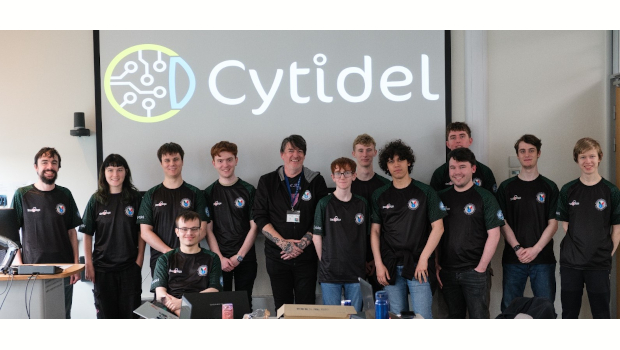
A team from Ireland will be competing at the annual European Cyber Security Challenge in Turin from 7-11 October. The event brings together teams of 10 from 31 countries from European and six invited nations to compete in on-site in Capture The Flag (CTF) style competitions. Each team’s players are aged under 25, and at least half must be aged 20 or under. Team manager and lecturer in cyber security at TU Dublin Mark Lane spoke to TechCentral about the process of putting the team together. How was the team assembled? It’s a long and varied process in fact and continues to evolve as we grow interest in CTFs/Team Ireland and grow the number of participants. For this year’s competition we actually started the process last year as soon as we returned from the 2023 European Cyber Security Challenge in Hamar, Norway. We held large CTF events for schools with UCD’s Cyberwise, and with TU Dublin late last year. We also ran several smaller CTFs for colleges and companies earlier this year, and our flagship CTF, ZeroDays CTF was held in Croke Park in March. Any students who engaged in these events and scored well were invited to try out more CTF challenges at our website. That website is up and running year-round so anyone that does well there can be invited to join us for some online CTFs and training. If they engage online and show promise they are invited to join our squad of candidates for the Irish CTF team. From this process we emerged with around 35 candidates in May. Over the summer we held several in-person bootcamps and training sessions for the squad and eventually picked the final 10 players (plus two reserves) in late August. Next year we will tweak the process again as we’re hoping to have more regional CTFs as part of a national CTF competition for schools and colleges. Was there any concern about how you would work as a team over having individual skills? We are very conscious of the team dynamic and making sure we have a harmonious camp, where everyone feels included and part of something. Because we meet in-person regularly over the summer, we do get to know the candidates well. We have an excellent team spirit, and one of the things I love to see is the players becoming friends outside of the CTFs. We are very inclusive and recognise that diversity is really important to a strong team. Also, most CTFs are team-based, and feature challenges across a range of fairly standard categories these days. As the ECSC continues to mature, we know the categories involved, so we can choose the final team based on having a balance of skills to compliment the categories of the challenges. Is it important to be an all-island team? Absolutely. If we look at sport as an example, most sports are now all-island teams, and that has obviously been beneficial in terms of success and in terms of cross-community bridge building too. We are a small island, and we are competing against some European powerhouses in terms of population bases and resourcing. So, the bigger the base of players we can have the better. It would be a shame to miss out on all of those potential players, and a shame to not give them the opportunity to participate in what has become a massive annual event, in terms of scope, size and importance. This year two of our 10 are from Belfast, and hopefully they are just the first of many from the North. This year we truly are an all-island team with players from Dublin, Belfast, Cork and Donegal, and everywhere in between. We’re also a very diverse team in terms of different ethnic and cultural backgrounds, gender, LGBTQ+ and neurodiversity. We are a team for everyone, and that diversity really does make us stronger in terms of skills, outlook and team spirit. Players want to stay involved afterwards, and it’s great to be able to draw on their experience now to help coach the next generation. In fact, our previous two captains, Emmet Leahy and Daniel Cahill, are now coaching the team. How does the competition work? The ECSC has been running since 2016 in it’s current guise. We actually took part that year along with nine other teams, in Dusseldorf, Germany. It has grown year-on-year (apart from two years when it didn’t run due to Covid). This year is the biggest so far, with 31 EU/EFTA (European Free Trade Agreement) countries competing, along with six guest countries including Australia, Kosovo and Singapore. The two days of competition are gruelling. The first day is a traditional ‘jeopardy’ style CTF, where teams will complete challenges across a range of categories such as cryptography (crypto), binary exploitation (pwn), web exploitation (web), reverse engineering (rev), forensics, hardware and miscellaneous (misc, which basically covers everything else including OSINT). As the teams solve challenges they find flags, which they submit to earn points on the scoreboard. The second day of competition is an attack/defence (A/D) CTF. In this type of CTF each team is given a bunch (usually between six and eight) deliberately vulnerable servers/services. They have to keep their services running to gain points, patch their own vulnerabilities and exploit those of other teams. The points across the two days are averaged to decide the winners. To make things more exciting the scoreboard is made invisible for the final two hours each day, so the teams don’t know who’s leading. This makes the awards quite tense and exciting. Germany are the current holders, and hosts Italy are favoured, though every year there are dark horses that surprise everyone. Another evolution of this competition is the International Cybersecurity Challenge (ICC) which is in it’s third year, to be held in Chile at the end of October. It’s a pan-continental CTF, which Team Europe has won for the first two years. This year our Irish team captain Cillian Collins became the first Irish player to make Team Europe, so that’s a sign of the progress we are making. Our team is run entirely by volunteers, and we have made significant progress with very little resources. Resourcing is an ongoing issue; if we want to keep growing and building we really need drastic increases in resourcing and full-time staffing. This year we received grant funding from the NCSC, which was a big help. We also received sponsorship from hot Irish threat-intelligence start-up Cytidel and security service provider ReliaQuest, as well as support from ZeroDays and TU Dublin. We wouldn’t be able to do it without that support, and we’re really hoping to increase the funding substantially going forward. It’s good for everyone from the players, to industry, to government, academia and the country for us to continue to build on what we have achieved so far. As a lecturer how important do you think events like this are for fostering young talent? Incredibly important, to be honest. There are lost of cyber security initiatives happening aimed at young people. However, most of them are more focussed on cyber security awareness. I genuinely believe that CTFs are the best way of finding, encouraging and fostering young talent. I have been running ZeroDays CTF since 2015, but it was only in 2022 that we had our first schools section in the competition. Having the schools involved was amazing right from the start. Firstly we had 50% girls taking part, which was way about the norm for STEM related activities. Secondly we found some incredible raw talent. 2023 was our second year with schools taking part in ZeroDays Cyber Schools category, and two 16-year-old participants from that ended up making the Irish team for the ECSC in Norway last year. This year we had players as young as 14 making our squad of candidates, with three under-18s (one as a reserve) making the team for Turin. This has been from a still relatively small number of schools participating. In TU Dublin we have seen record numbers of first year students choose cyber security on the CAO, and a substantial percentage of them chose the course only after participating in our ZeroDays schools CTFs. We have also seen a related increase in the number of female students joining. We have around 25% female cyber security students in the past two years, which I’m told is (by a fair margin) the highest percentage in the country. Next year we are hoping to announce a new all-Ireland CTF competition for schools and colleges, as well as an accompanying course and online resources. Still a lot of work to do on that, but it’s something my team is passionate about making happen, and we are currently in talks to make it happen. TechCentral Reporters Read More: cyber security security

 2024-10-03 15:45:38

read more

XRP slides 9% after SEC appeals decision in landmark Ripple case

The price of the XRP token tumbled Thursday, a day after the Securities and Exchange Commission filed to appeal a 2023 court ruling that determined XRP is not considered a security when sold to retail investors on exchanges. XRP was last lower by more than 9% at 52 cents a coin, according to Coin Metrics. Ripple, the largest holder of XRP coins, scored a partial victory last summer after a three-year battle with the SEC. U.S. District Judge Analisa Torres handed down the decision, which was hailed as a landmark win for the crypto industry. Still, while XRP isn't considered a security when sold to retail investors on exchanges, it is considered an unregistered security offering if sold to institutional investors. Ripple declined to comment but referred to Wednesday evening posts on X by CEO Brad Garlinghouse and chief legal officer Stuart Alderoty. Alderoty said the company is evaluating whether to file a cross appeal, and called the SEC's decision to appeal "disappointing, but not surprising." The SEC, under Chair Gary Gensler, has become notorious for its refusal to provide clear guidance for crypto businesses, instead opting to regulate by enforcement actions. "XRP's status as a non-security is the law of the land today - and that does not change even in the face of this misguided - and infuriating - appeal," Garlinghouse said on X. Earlier on Wednesday, Bitwise Asset Management, an issuer of ETFs tracking bitcoin (BITB) and ether (ETHW), submitted a registration filing for what would be the first XRP ETF – two days after registering an XRP trust product in Delaware. Grayscale, which also has bitcoin (GBTC) and ether (ETHE) ETFs, introduced a similar trust product in September. XRP, which was created by the founders of Ripple, is the native token of the open source XRP Ledger, which Ripple uses in its cross-border payments business. It is the fifth-largest coin by market cap, excluding stablecoins Tether (USDT) and USD Coin (USDC). Elsewhere in the crypto market, bitcoin hovered above the flat line at $60,210.29, while ether fell more than 2% to $2,320.20. Crypto stocks Coinbase and MicroStrategy were lower by about 1% and 2%, respectively.

 2024-10-03 15:08:40

read more

Crypto bros v cat ladies: gender and the 2024 election

In a brewery in Pittsburgh’s East End, six guys lounged on barstools talk about brawls and about women. “We can’t stand by, we’ve got to get in the fight,” says one. Another adds that as a husband it is natural to “go into defence mode” when his wife is under attack. The others nod vigorously. “The government should not be in the business of putting their hands on women’s wombs,” he concludes, to loud applause—and some spilled beer—at the tables around them.

 2024-10-03 14:04:01

read more

BBVA eyes stablecoin launch backed by Visa collaboration for 2025

BBVA, one of Spain’s leading financial institutions, is pushing ahead with plans to introduce its own stablecoin next year in a collaboration with Visa. This initiative is part of Visa’s sandbox program designed to assist companies in developing tokenized assets. BBVA’s new stablecoin aims to streamline digital transactions, focusing on providing a secure settlement layer for asset tokenization, particularly in areas like real estate and private credit funds. The project is still in its early phase, with BBVA navigating regulatory frameworks and fine-tuning technical requirements for stablecoin issuance. The bank has yet to decide on the backing of the currency, considering options like deposits, money market funds, or fiat currencies such as the euro and U.S. dollar. The flexibility around its backing will likely allow BBVA to adapt to evolving market demands, especially as regulations around digital currencies continue to be clarified. Visa’s sandbox has been instrumental in BBVA’s progress, offering a safe testing environment to explore the potential of tokenized assets. The program, which has helped several firms launch digital financial products, is seen as a crucial step in providing the bank with the tools and guidance needed for a successful stablecoin rollout. While many other financial institutions are still exploring the possibilities of blockchain and tokenization, BBVA’s decision to move forward with a stablecoin is seen as a bold move. By 2025, the bank aims to enter live testing, allowing for the currency’s use in various exchange settings. This is part of a broader strategy by the bank to integrate more digital solutions into its operations, reflecting the financial industry’s growing interest in blockchain technology. BBVA’s stablecoin is expected to play a pivotal role in transforming the way large transactions are settled. By tokenizing assets, the bank hopes to reduce transaction costs and improve efficiency, particularly in traditionally cumbersome processes like real estate purchases and private lending. It also aligns with broader trends in the financial sector where tokenization is increasingly being used to streamline asset management and trading. The stablecoin could also help BBVA tap into a growing demand for digital currencies, especially as businesses and investors seek faster, more transparent ways of handling large transactions. As part of this effort, BBVA has been working with regulators to ensure that its stablecoin will meet all necessary compliance requirements, a key step in gaining broader market acceptance. BBVA’s collaboration with Visa is not an isolated venture. Visa has been heavily involved in developing digital currency frameworks, helping banks and financial institutions innovate in the crypto space. Visa’s experience in handling global payments and building scalable digital platforms is seen as a valuable asset in helping BBVA bring its stablecoin to market. While it is still early days for BBVA’s stablecoin initiative, the bank’s decision to move forward is an indicator of how seriously major financial institutions are taking the future of digital currencies. By focusing on tokenized assets and stablecoins, BBVA is positioning itself as a leader in the digital transformation of the financial sector. This is particularly crucial as the banking industry faces increased pressure to modernize its operations and offer more digital solutions to its customers. Analysts expect BBVA’s stablecoin to be a game-changer, particularly in markets where digital payments and blockchain-based solutions are gaining traction. However, there are challenges ahead, especially as the bank finalizes its decision on the currency’s backing and navigates complex regulatory landscapes. The success of the project will depend on a combination of technological innovation, regulatory approval, and market adoption.

 2024-10-03 13:57:00

read more

CoinSwitch launches crypto futures trading; offers 25x leverage to traders

CoinSwitch, one of India’s largest crypto trading platforms, has announced crypto futures trading on its PRO platform. This new feature offers a versatile trading experience for selected users, allowing them to maximise their trading potential with leverage of up to 25x. With CoinSwitch futures, users can trade in over 350 contracts, including BTC, ETH, SOL, MATIC, and XRP. CoinSwitch Futures enables users to take long (buy) or short (sell) positions on perpetual futures contracts and can also hedge their spot holdings. According to the company, the platform has competitive commission rates and ensures users benefit, with the lowest fees in the market. Additionally, new users can avail 100% commission rebate for the first 15 days. “The launch of CoinSwitch Futures aligns with our mission to provide a comprehensive suite of crypto investment and trading options to our users. By offering leveraged futures contracts, we aim to cater to the needs of sophisticated traders seeking to capitalise on price movements in the dynamic crypto market,” said Balaji Srihari, Business Head, CoinSwitch. Last month, the company also announced specialised crypto investment services tailored for high networth Individuals (HNIs) and institutional investors to provide users secure and customised solutions. The platform has over two crore registered users and has raised $260 million in Series C funding from Coinbase Ventures and Andreessen Horowitz (a16z) in September 2021 to become a crypto Unicorn at a valuation of $1.9 billion.

 2024-10-03 13:25:14

read more

How to Play Online Slots with Cryptocurrency? - The Baltic Times

Online slots with cryptocurrency are becoming popular as more casinos adopt Bitcoin, Ethereum, and Litecoin. Crypto offers faster transactions, enhanced privacy, and lower fees than traditional payment methods, naturally becoming a favorite of gaming enthusiasts. This guide will walk you through playing online slots using cryptocurrency, from selecting a trustworthy platform to making secure deposits and withdrawals. You'll also learn the benefits of using crypto and how to choose the right online slots to play. Irrespective of your experience level with crypto, this guide ensures you understand the steps for smooth and fun gaming. Are you ready to play exciting online slots with cryptocurrency? Let’s learn how to maximize your enjoyment and security while spinning the reels with your favorite digital currency. Tips for Playing Crypto Slots Online for the First Time Playing slots online for the first time can be both exciting and challenging. Here are some practical tips to help you get started smoothly and increase your chances of a rewarding experience: 1. Understand the Basics of Cryptocurrency: If you haven't already, familiarize yourself with buying, storing, and using cryptocurrency. Set up a secure crypto wallet for your transactions. 2. Start Small: When you’re new, it’s wise to start with smaller bets until you get a feel for the games and understand how the crypto transactions work within the casino. 3. Avail of Bonuses: Many crypto casino games to play online offer welcome bonuses, free spins, or no-deposit bonuses. These can provide extra value but read the terms and conditions for any wagering requirements. 4. Check the RTP and Volatility: Check its Return to Player (RTP) percentage and volatility before playing a slot game. Higher RTP games offer better long-term returns, while volatility indicates how often you can expect to win. 5. Set a Budget: Effective bankroll management is crucial. Decide beforehand how much cryptocurrency you are willing to risk and stick to that budget to avoid potentially losing more than you can afford. 6. Learn the Game Features: Familiarize yourself with the slot game’s features, such as paylines, bonuses, and wild symbols, which can affect gameplay and enhance your chances of winning. 7. Play for Fun First: If available, try playing the slots in demo mode first. This will help you understand the game mechanics without risking your crypto. 8. Stay Informed: Cryptocurrency values can fluctuate wildly. To manage your funds better, stay informed about the current value of the crypto you are using to play and win slots. 9. Practice Responsible Gambling: Remember that gambling should be done for entertainment, not to make money. Know when to stop, and do not chase losses. Can You Win Real Money Playing Slots Online? Yes, you can indeed win real money playing slots online. Reputable online casinos are regulated and use Random Number Generators (RNGs) to ensure fair gameplay, mirroring the randomness of physical slot machines. Players deposit real money into their casino accounts to bet on these games, and winnings are genuine monetary gains that can be withdrawn according to each casino's rules. Online slots often offer a more comprehensive selection than physical casinos, including games with high Return to Player (RTP) percentages, which can improve winning chances. Additionally, many online casinos offer free spins or no-deposit bonuses that increase your chances of winning without additional risk. Particularly lucrative are the progressive jackpots, which can grow to be worth millions of dollars. However, it’s essential to approach online slots cautiously, as they are games of chance. Responsible gaming practices, such as setting spending limits and knowing when to quit, are crucial to ensuring a safe and enjoyable gaming experience. How Do You Play Online Slots with Cryptocurrency? Playing online slots with cryptocurrency is a straightforward process combining the excitement of online gaming with the convenience and security of digital currency. Here’s how you can get started: 1. Choose a Crypto Casino: First, select an online casino that accepts cryptocurrency. Look for reputable platforms that support your preferred cryptocurrency, such as Bitcoin, Ethereum, or Litecoin. 2. Set Up a Cryptocurrency Wallet: You need a cryptocurrency wallet like TrustWallet, MetaMask, or others before depositing cryptocurrency into the casino. This digital wallet stores your cryptocurrency and sends and receives funds. 3. Deposit Funds: Once your wallet is set up, you can deposit cryptocurrency into your casino account. Navigate to the casino’s banking or cashier section, select the deposit option, choose your cryptocurrency, and then transfer funds from your wallet to the casino using the provided address. 4. Claim Any Bonuses: Many crypto casinos offer welcome bonuses or promotions for new players. Check for any deposit bonuses you can claim when you add funds. 5. Choose Your Slot Game: Browse the casino’s slot game selection with funds in your account. Crypto casinos often offer various slots, including classic, video, and progressive jackpot slots. 6. Adjust Your Bet Size: Adjust the bet size to suit your budget before spinning the reels. Cryptocurrency casinos typically show bets in their crypto equivalent, so watch how much you’re wagering. 7. Play the Game: Now, you’re ready to play. Hit the spin button and watch the reels go. The rules and payouts for crypto slots are similar to traditional online slots, so that the experience will be familiar. 8. Withdraw Winnings: If you win and want to withdraw your earnings, return to the cashier section, select withdraw, and transfer the winnings back to your cryptocurrency wallet. Conclusion: Can You Win A Lot Of Money On Online Slots? Playing online slots, which blend engaging entertainment with the chance to earn monetary rewards, can result in significant wins. These online versions of traditional slot machines offer a broad array of themes, cutting-edge features, and the flexibility to play from anywhere at any time. Choosing a reputable, licensed online casino that guarantees fairness and security is crucial to maximizing your chances of winning. Players can make more informed decisions by understanding essential game mechanics such as paytables, RTP rates, and the role of random number generators. Although online slots are primarily games of chance determined by RNGs, opting for games with higher RTPs and strategically using bonuses can improve your odds. Above all, adhering to responsible gambling practices is essential to ensuring that the excitement of the game does not negatively impact personal well-being. With the right approach, playing online slots can be rewarding and enjoyable. Advertising and Marketing by: This content was marketed by 747mediahouse.com on behalf of their client. For queries, reach out at [email protected].

 2024-10-03 12:46:35

read more

The Most Important Difference Between Bitcoin And Crypto

Share to Facebook Share to Twitter Share to Linkedin Representation of Bitcoin and Ethereum cryptocurrencies are seen in this illustration photo taken in ... [+] Krakow, Poland on September 18, 2022. (Photo by Jakub Porzycki/NurPhoto via Getty Images) NurPhoto via Getty Images Bitcoin is the first, most popular, and biggest cryptocurrency by market cap. However, many Bitcoin advocates draw a sharp contrast between bitcoin and the broader “crypto” space. Michael Saylor, founder of MicroStrategy and a bitcoin bull, voiced this on CNBC's "Squawk on the Street." He said, "Speaking for all the bitcoiners, we feel trapped in a bad relationship with crypto, and we want out." Why such a stark divide between terms that appear closely related both linguistically and technologically? After all, every cryptocurrency is built on blockchain — a technology that allows transferring digital assets through a decentralized network, which maintains and updates the ever-growing transactions ledger. The essence of “bitcoin, not crypto” lies in the concept of decentralization. So far, no blockchain can compete with Bitcoin in this respect. However, we may still reconcile this perspective with the existence of other blockchains by recognizing the different purposes they serve. Decentralization Is A Spectrum Decentralization is a solution to avoiding central authority flaws. Bitcoin is revolutionary in achieving a truly decentralized value transfer system, based on cryptology and economic incentive — new bitcoin and transaction fees paid to the miners. In return, miners invest in specialized hardware and spend a lot of electricity. They do this to find proof-of-work for each block, thus securing the blockchain. Miners are motivated to keep Bitcoin safe, operating, and most importantly, censorship-resistant. An alternative to PoW is proof-of-stake, which requires validators to stake the blockchain’s currency to prove their good intentions. This consensus and its variations are now the most popular among blockchains, as they allow for higher scalability. However, PoS can create an oligarchic system. The more coins you stake, the higher your chances of adding a block and earning a reward. This makes you wealthier, allowing you to stake more coins. Unlike bitcoin miners, whose power remains unchanged after mining a block, PoS validators can grow their influence. MORE FOR YOU Today’s NYT Mini Crossword Clues And Answers For Thursday, October 3 NYT ‘Strands’ Today: Hints, Spangram And Answers For Thursday, October 3rd Federal Judge Halts California’s New Anti-Deepfakes Law—Musk Says Its ‘Score One’ For Free Speech Furthermore, centralization concerns extend beyond the PoS consensus. A small number of nodes, liquid staking protocols pooling user funds, nodes hosted by centralized services, high hardware requirements, and centralization risks related to MEV (maximal extractable value) practices are just some of the problems that most blockchains must face. On Ethereum, one of the most decentralized blockchains other than Bitcoin, nearly 35% of staked coins come from the top three decentralized liquid staking services, according to Dune Analytics. Another 20% come from the top three centralized services. Additionally, 69% of Ethereum nodes are hosted by three centralized providers, and 90% of the blocks are ordered by just three MEV-optimizing builders. With 1.16 TB, Ethereum blockchain weighs almost twice as much as Bitcoin (604 GB), making participation harder for average users. Yes, most blockchains are much less decentralized and therefore less censorship-resistant than Bitcoin. Moreover, unlike Bitcoin, which Satoshi Nakamoto handed to the community less than two years after its launch, most other blockchains are still tied to their founders. This group of insiders, including early investors, often retains significant control, notably through pre-minted coins. This further concentrates their wealth and power. Does this mean that the whole “crypto” space is useless? It may be too early to say that. Decentralization is a spectrum, and even less decentralized platforms still offer users more freedom and control than traditional web services. This gives them the potential to serve various use cases beyond money. Not All Cryptocurrencies Are Currencies Bitcoin’s primary goal is to create and sustain independent money. As more people place their trust in bitcoin as an alternative to traditional currencies, its value grows accordingly. In contrast, most other blockchains, like Ethereum or Solana, were designed as multi-purpose smart contract platforms. Their goal is to enable the development of decentralized applications, called dapps. Using these blockchains, the next phase of the internet, known as Web3, could enable innovative use cases ranging from gaming and social media to finance, commerce, and beyond. In this perspective, ether, the native coin of Ethereum, is not a cryptocurrency. While it can be invested in or traded, ether is more of a utility asset for Web3 than general-purpose money. Its primary role is to power the Ethereum blockchain, functioning as payment for transactions and an incentive for validators. As Ethereum-based dapps gain popularity, demand for ether increases to cover transaction costs. Also, smart contract platforms’ founding teams often operate much like traditional companies. They deal with issues like finding investment, solving technical problems, building communities, and marketing their products. The value of these blockchains' native coins reflects the quality of this work, distancing them from the notion of independent currency. In the Web3 space, many consider such an organization necessary to innovate, and it’s hard to disagree. However, efficiency at the expense of decentralization goes against the cypherpunk ethos. This further increases the divide between Bitcoin and crypto. Web3 is buzzing with activity. Yet, according to DappRadar, the top 15 blockchains collectively register only 165 million unique active wallets per month. The future of the space will likely hinge on finding the right balance between decentralization and innovation. It will also depend on the teams’ ability to pass on their projects to the community when the time comes. Blockchain-Based Tokens Beyond native coins like bitcoin and ether, blockchains host a wide array of tokens, each with different functions and levels of decentralization. These tokens include stablecoins, memecoins, protocol tokens, and all sorts of digital units that anyone can easily create using a smart contract. The tokens share the blockchain environment with native coins, but their value depends on the project that issued them. For years, the tokens fueled bitcoin maximalists’ disdain for all crypto but bitcoin. Numerous crypto scams, mostly involving such tokens, have caused significant reputational damage to the crypto space. They have even tarnished bitcoin in the process. With the introduction of Ordinals and Runes, some bitcoiners have reconsidered their stance on tokens. These protocols, which assign value to satoshis (bitcoin’s smallest units) or create tokens on Bitcoin, have sparked discussions about new use cases for the blockchain. However, following the initial hype, both protocols now see only modest usage. Since their peak in 2023, daily Ordinals inscriptions have dropped from over 400,000 to around 40,000. Runes etchings have fallen from over 35,000 in April to fewer than 400. So far, bitcoin's role as a better form of money is its main use, overshadowing any other. In short, bitcoin remains unmatched in its decentralization and primary role as an alternative form of money. Meanwhile, the broader crypto space is willing to compromise decentralization for innovation and new use cases. As a result, bitcoin and crypto are growing increasingly distinct. Follow me on Twitter or LinkedIn. Check out my website. Marie Poteriaieva Following Editorial Standards Forbes Accolades

 2024-10-03 12:22:55

read more

Everything you need to know about Moodeng Meme Coin

Moo Deng, a charming two-month-old pygmy hippo known for her playful antics and adorable expressions, has become the inspiration for a new meme coin.A cryptocurrency enthusiast recently reported turning their investment of 1 lakh into a multimillion-dollar fortune in just 17 days after investing in the newly launched Moo Deng meme coin. The user, known as Lookonchain, shared a screenshot on X, revealing their investment of 1,300 dollars (approximately 1 lakh) in Moodeng coins on September 10. Shortly after, as the price of the meme coin skyrocketed, their investment reportedly surged to over 12 million dollars. This means the crypto user's initial investment of 1 lakh grew to more than 100 crore in just 17 days, according to the post.Meme CoinMeme coins are cryptocurrencies named after popular memes and viral content, often featuring animals. Moodeng coinThe Moodeng coin was inspired by a baby hippo in Thailand that became viral on social media sensation for her small size and playful videos. Like other meme coins, such as Dogecoin, Moodeng coin isn't backed by any real asset. However, it’s leading the pack among wildlife-themed meme coins, reportedly trading at nearly twice the price of Dogecoin. According to Fortune, Moodeng's price has surged by more than 1,400% since its launch on September 10, though some investors warn the value could drop suddenly.Moo Deng, whose name means "bouncy pork" in Thai, has quickly become an internet sensation. The two-month-old pygmy hippo went viral on TikTok and Instagram with her playful antics, inspiring a wave of merch, memes, and even DIY tutorials on crocheting or baking Moo Deng-themed creations. Fans from around the globe have flocked to see her in person, leading keepers to limit her viewing time to just five minutes per visitor due to overwhelming demand.Her caretaker and social media manager credit short-form videos for skyrocketing the baby hippo's fame, hoping it will raise awareness for biodiversity conservation.According to the International Union for Conservation of Nature, pygmy hippos are the natives of West Africa. They are facing threats due to human activities like logging, mining, and poaching, and only 2,000 to 2,500 remain in the wild today.

 2024-10-03 12:17:10

read more

BBVA plans Visa-backed stablecoin launch in 2025

BBVA has not yet decided whether the stablecoin will be backed by deposits, money market funds, or fiat currencies such as the euro or U.S. dollar, said Maroto, who added the company plans for it to be used for the settlement layer on exchanges. BBVA has been working in the digital asset space since 2014, and Maroto hopes that the latest project will let the bank benefit from the growing trend of the tokenization of assets such as real estate and private credit funds. “We realized that blockchain could transform the way we exchange value digitally, and consequently affect the way the financial system works,” Maroto said. Stablecoin wars Stablecoins constitute a broad category in the crypto space, describing any asset intended to maintain a specific price and backed by reserves such as fiat currencies, commodities, or even other cryptocurrencies. While the sector has existed for a decade, dollar-backed stablecoins such as USDC and Tether have exploded in popularity over the past few years, with their backing companies earning hefty profits through the yields on the underlying assets, which typically include U.S. Treasuries and other dollar equivalents. Competitors from the traditional finance space have recently entered the race, including PayPal, which launched its PYUSD stablecoin in August 2023, as well as a bevy of overseas offerings that provide yield to their customers—an option restricted in the U.S. due to regulatory uncertainty. Last week, Visa announced a new product that would allow financial institutions such as banks to launch their own stablecoins, which Visa is calling fiat-backed tokens. While the use cases would vary, the idea would be for banks to choose the type of asset held as the reserve, which could vary from fiat currencies to deposits. While the tokens would initially work only within the bank’s own ecosystem, Visa head of crypto Cuy Sheffield told Fortune in April that the long-term plan would be to facilitate interoperability between different institutions, which is an advantage of more universal stablecoins such as USDC that can work across blockchains. Maroto said that BBVA wanted to work with Visa, rather than choosing an existing stablecoin option, because of Visa’s established brand and regulatory compliance. As one of the first financial institutions to experiment with the new product, BBVA also has the edge of operating mainly in Europe, which recently enacted stablecoin oversight. Maroto said that BBVA will likely build its stablecoin around the euro, given its European presence, and that it could be used for settlement on exchanges that offer tokenized assets, with BBVA handling the mint and burn mechanism that converts fiat into crypto ecosystems. Despite the goal of launching live testing next year, Maroto said that the U.S. is not on its short-term time horizon. BBVA currently offers the custody and trading of Bitcoin, Ethereum, and USDC in Switzerland for private banking and institutional customers and is launching in Turkey.

 2024-10-03 11:45:00

read more

What Are Crypto Futures? - The Baltic Times

Financial contracts called crypto futures let traders gamble on the future value of a cryptocurrency, say Bitcoin or Ethereum. Futures trading is not spot trading, in which you purchase and sell the actual commodity. It is rather anticipating whether the price of a cryptocurrency will climb or decline. Traders merely trade depending on price swings, they do not own the underlying item. Long (buy) and short (sell) positions are made possible by this, therefore enabling traders to profit from both rising and declining markets. Futures trading is special in that it lets you use leverage, hence enabling you to hold a bigger position with a smaller starting-out investment. But as losses can be magnified in the same manner, this also raises the danger. Important Terminology in Futures Trading in Cryptocurrencies Familiarize oneself with certain fundamental phrases before delving into futures trading: - Leverage lets you trade a bigger position than your real capital would let, so raising either possible gains or losses. - Margin: Usually stated as a percentage of the total trade value, the margin is the amount of money required to open a futures contract. - Long Position: Assuming future increases in the value of a bitcoin. - Short Position: Assuming the future price of a bitcoin will be lower. - Liquidation: Should the market turn against you and your losses beyond your margin, the exchange may liquidate your position to pay for those losses. Any novice should understand these words since they form the basis of future trading techniques. Starting With Crypto Futures Trading You will first need to pick a reliable exchange that provides futures contracts before starting. You can try trading crypto futures on PrimeXBT, for example. The following outlines how to begin going: Select a Futures Exchange When choosing a crypto futures exchange take into account elements including costs, leverage choices, security measures, and trading range of cryptocurrencies. Although some exchanges give up to 100x leverage, which might be alluring but also quite dangerous for newbies. Open and Fund Your Account You will have to open an account and make deposits following the choice of your favorite exchange. Most exchanges let you make deposits in stablecoins like USDT or big cryptocurrencies like Bitcoin. Some others might also embrace fiat money. Discover the Trade Interface Learn the trading interface once your account is set up. This will comprise order forms, price charts, and leverage levels. If the exchange provides a demo account, it's a good idea to practice using one so you may trade without running actual danger. Decide Your Leverage Starting low leverage, such 2x or 3x, as a novice helps you to lower your risk. Particularly in the erratic crypto market, high leverage can cause major losses even as it can yield fast profits. Risk Control in Futures Trading Trading crypto futures is naturally dangerous, hence long-term success depends on careful risk management. Following these guidelines will help you to properly manage risks: - Create stop-loss orders. A stop-loss order stops more losses by automatically closing your position at a designated level. - Moderate Your Leverage: High leverage raises the danger of liquidation even while it can boost earnings. Until they have more experience, beginners should keep to minimal leverage. - Never trade with more than your means to lose. Investing money only when you are ready to lose is crucial as the crypto market is somewhat erratic. Effective futures trading mostly depends on risk management, particularly in a market as erratic as cryptocurrencies. Investigating the Market Effective trading futures depends on a strong foundation in market analysis. Technical analysis and fundamental analysis are two basic forms of study applied in futures trading. Technical Review Examining price charts, trends, and technical indicators helps one to project future price changes in technical analysis. Common uses in crypto futures trading are indicators including the Moving Average (MA), Relative Strength Index (RSI), and Bollinger Bands. Basic Analysis More general elements influencing bitcoin prices—such as regulatory news, technical advancements, or market demand—are examined via fundamental analysis. Maintaining knowledge of significant events in the cryptocurrency space helps one to better forecast market swings and guide trading decisions. Typical Mistakes to Avoid Crypto futures trading can have a sharp learning curve for beginners, hence mistakes are unavoidable. Still, knowledge of frequent mistakes will help you reduce losses. Among typical errors are: - Leverage too much and you run the danger of liquidation. Stay with low leverage, particularly in the beginning stages. - Emotional trading—making snap decisions motivated by greed or fear—may result in bad trades. Stay to your trading plan and try to avoid emotional responses. - Ignoring Risk Control: Ignorance of stop-loss orders or lack of a risk management plan could result in large losses. Avoiding these errors can help you to trade more boldly and raise your chances of success. Keeping Track of Your Transactions Regular review of their transactions and strategy modification depending on performance help successful futures traders. Over time, keeping a trading diary in which you record the specifics of every trade—including entry and exit points, trade justification, and outcome—can allow you to hone your abilities. Essential also is keeping an eye on your open positions and modifying your stop-loss orders when the market moves. This helps you maximize gains or reduce losses should the market go erratic.

 2024-10-03 11:21:35

read more

Indonesia lauds its best cybersecurity warriors at the most prestigious IndoSec Awards 2024

The IndoSec Awards 2024 in Jakarta celebrated leaders in cybersecurity, honoring pioneers across seven categories amid a vibrant gala atmosphere. JAKARTA, INDONESIA, October 3, 2024 /EINPresswire.com/ -- IndoSec Awards 2024 took centre stage at Jakarta Convention Center on 25 September and recognized the leading pioneers, innovators and leaders who’re spearheading the digital security landscape. As Indonesia’s most desired award show, the platform attracted a huge number of attendees comprising renowned cybersecurity professionals, top government officials, and most senior industry experts from across the country, as well as influential global personalities. IndoSec Awards 2024 not only brought the sharpest minds from the industry in the limelight but also emphasized on the growing need for robust security measures in the face of escalating cyber threats. The award show honoured the remarkable achievements of individuals across seven exclusive categories for their exceptional leadership, innovation, and resilience. Below are the names of the category winners: • CYBER WOMAN OF THE YEAR - Elni Enita Manurung, Cybersecurity Lead, National Cyber and Crypto Agency (BSSN) • DIGITAL LEADER OF THE YEAR - Yusron Anas, CIO, Home Credit Indonesia • GRC LEADER OF THE YEAR - Krisna Kurniawan, VP Compliance and Risk Management for SHINE/NGBS, Bank KB Bukopin • GOVCYBER INNOVATOR OF THE YEAR - Samsu Sempena, Director – Technology, PMO Prakerja • ENTERPRISE SECURITY LEADER OF THE YEAR - Irvan Bastian Arief, VP of Data Science, ML Engineering, Tech Infrastructure & Information Security, Tiket.com • DEVSECOPS LEADER OF THE YEAR, Lioe Yanto Haryono, Vice President of Digital Information Technology, MODENA • CISO OF THE YEAR - Dr Freddie Low, CITO & CISO, PT Mitra Adiperkasa (MAP) • CISO OF THE YEAR - Johansen Sidabutar, CISO, Citibank Indonesia The jury at IndoSec Awards 2024 had a very tough time deciding the winners as they received over 250 nominations from across Indonesia. The jury itself comprised some of the most influential names from the industry including Dr Pratama Persadha, Chairman, CISSReC (Communication & Information System Security Research Center); Budi Rahardjo, Founder & Head, ID-CERT; Arif Ilham Adnan, Chairman of Permanent Committee, The Jakarta Chamber of Commerce and Industry; Jenny Tan, President, ISACA SG Chapter; Andang Nugroho, Task Force Head - Cybersecurity & Digital Sovereignty, MASTEL (Masyarakat Telekomunikasi Indonesia); Fanky Christian, Secretary General, APTIKNAS; and Rendy Maulana Akbar, Chairman, Asosiasi Cloud Dan Hosting Indonesia. Apart from rewarding the country’s finest talents in cybersecurity amidst a large gathering of key industry players, the platform also delivered a fine space for a fun-filled evening. It set a glamorous tone right from the word go and had the renowned Indonesian news anchor, Karina Basrewan, who is also a beauty pageant titleholder, as the master of ceremonies. The Takupaz Dance Crew gave an electrifying performance at the platform and created a lively atmosphere along with Forever Dance Crew and DJ T-Sha. Furthermore, to break the ice and allow space for great unwinding sessions, the evening ended on a high note with one of the most extravagant gala dinners that presented a scrumptious spread of dishes and a fine range of cocktails. All in all, it was a fulfilling show that gave Indonesia’s cybersecurity community a chance to unwind, feel appreciated for their hard work, and a moment to rejoice. For more information about the event, log on to: https://indosecsummit.com/ Media contact: Shrinkhal Sharad PR & Communication Lead shrinkhals@tradepassglobal.com + (91) 80 6166 4401 Tradepass About Tradepass Providing access to the global emerging markets, Tradepass brings together people, products and solutions to power events for unparalleled business and networking opportunities. Being the most accredited event company, it helps organizations: enter new markets, grow sales pipeline, close prospects, raise capital and identify the right solution-providers. As a deal facilitator, Tradepass is always determined about exposing the most agile liquid growth markets, to enable all-round scalability and growth.Riya Jain Tradepass +91 78298 01946 email us here Visit us on social media: Facebook X LinkedIn Instagram Legal Disclaimer: EIN Presswire provides this news content "as is" without warranty of any kind. We do not accept any responsibility or liability for the accuracy, content, images, videos, licenses, completeness, legality, or reliability of the information contained in this article. If you have any complaints or copyright issues related to this article, kindly contact the author above.

 2024-10-03 11:20:26

read more

Swiss Blockchain Awards Honor Ethereum Founders at CV Summit 2024

ZUG, SWITZERLAND, October 3, 2024 /EINPresswire.com/ -- At CV Summit, the inaugural Swiss Blockchain Awards recognised co-founders of Ethereum, including Vitalik Buterin, Mihai Alisie, Gavid Wood, Charles Hoskinson and Anthony Di Iorio with a Lifetime Achievement Award. This event marked 10 years of Ethereum’s global contributions and for igniting a flourishing, world leading blockchain ecosystem, celebrated by Swiss authorities, the Canton, and the City of Zug. In her address, Karin Keller-Sutter, Vice President of the Federal Council and Finance Minister, shared a powerful message, welcoming founders to Switzerland, she said: "You are in the right place at the right time. Blockchain technology is at a critical juncture, and so is the ecosystem here. Will blockchain be the core infrastructure of the future financial system, and will Switzerland be at the heart of it?" She emphasised Switzerland’s role in fostering innovation, adding, "As finance minister, I'm not only the guardian of the treasury, but also responsible for a stable, sound, and innovative financial market. In blockchain technology, we see a new technology that has immense potential to change how financial services are delivered and by whom." Keller-Sutter praised Switzerland’s approach to regulation: "Switzerland has always followed this approach: create excellent framework conditions, treat technologies equally—same risks, same rules—and adapt regulations quickly where necessary to enable innovation and address risks." She concluded by inspiring the blockchain community to continue driving progress: "Above all, it is up to you to fill in the frame, to create, test, succeed, or fail and try again." Mathias Ruch, CEO and Founder of CV VC, host of CV Summit, concluded “Over two days, each year for the past decade 1000 global and Swiss Web3 industry players, gather here at CV Summit to set the agenda, test out mindset and plan for driving innovation forward. It is an honour for us to celebrate Ethereum’s co-founders for their visionary work and the pivotal role they play in building a technology ecosystem with global impact, from the heart of Crypto Valley. The founders’ contributions have set the foundation for a flourishing sector that continues to position Switzerland as a world leader in blockchain innovation.” The event was attended by former Swiss presidents, Ueli Maurer and Joahann Schneider Amman, Andre Wicki - Mayor, City of Zug and Heinz Tännler - Finance Director of the Canton Zug and President Swiss Blockchain Federation. Karin Keller-Sutter, Vice President of the Federal Council and Finance Minister, "You are in the right place at the right time.” Vitalik Buterein, Co - Founder of Ethereum - “Thank you very much for the kind award. I really appreciate everything that you guys have done in Zug, to create this environment that has made it possible for Ethereum to be born and to grow.” Gavin Wood, Co - Founder of Ethereum - “It's gratifying to see projects which are really trying to push the boundaries in this sort of socio technological political space, thank you very much for your continuing support.” Charles Hoskinson, Co - Founder of Ethereum - "Thank you to Switzerland for taking a chance on us." Photo Gallery for downloads: https://www.picdrop.com/cvlabsag/3nGUE8vVPu For further information: Triona@ignitecomms.com ENDS.Triona McHale CV Summit +353 87-2651473 email us here Legal Disclaimer: EIN Presswire provides this news content "as is" without warranty of any kind. We do not accept any responsibility or liability for the accuracy, content, images, videos, licenses, completeness, legality, or reliability of the information contained in this article. If you have any complaints or copyright issues related to this article, kindly contact the author above.

 2024-10-03 11:11:55

read more

Tesla Billionaire Elon Musk Issues $35 Trillion U.S. ‘Bankruptcy’ Warning—Predicted To Trigger A Bitcoin Price Boom

Share to Facebook Share to Twitter Share to Linkedin Bitcoin Bitcoin and crypto prices have crashed this week after BlackRock's chief executive a "crazy" Federal Reserve warning. The bitcoin price has dropped to almost $60,000 per bitcoin, wiping away much of the gains it made following China's bombshell. Now, after Elon Musk revealed the details of his secret meeting with El Salvador's bitcoin-backing president Nayib Bukele, the Tesla billionaire has warned the U.S. heading for bankruptcy after U.S. debt jumped $204 billion in one day. Sign up now for the free CryptoCodex—A daily five-minute newsletter for traders, investors and the crypto-curious that will get you up to date and keep you ahead of the bitcoin and crypto market bull run ForbesDonald Trump’s ‘Crucial’ China Nightmare Is Suddenly Coming TrueBy Billy Bambrough MORE FOR YOU Today’s NYT Mini Crossword Clues And Answers For Thursday, October 3 NYT ‘Strands’ Today: Hints, Spangram And Answers For Thursday, October 3rd Federal Judge Halts California’s New Anti-Deepfakes Law—Musk Says Its ‘Score One’ For Free Speech Tesla billionaire Elon Musk has warned the U.S.'s could collapse into "bankruptcy" due to its debt ... [+] spiraling out of control—something some think could turbo-charge the bitcoin price. Copyright 2020 The Associated Press. All rights reserved. "America is headed for bankruptcy," Musk posted to X, the social media platform he bought and rebranded from Twitter, linking to a report of U.S. debt surging on October 1. "Federal debt explodes on 1st day of the new fiscal year, jumping $204 billion to new record of $35.669 trillion, but it gets worse: Treasury also had to draw down its cash balance by $72 billion—that's over $275 billion in the red for just one day," EJ Antoni, an economist with the conservative Heritage Foundation, posted. Last month, Musk met with El Salvador's bitcoin-backing president Nayib Bukele, who made history when he adopted bitcoin as legal tender in El Salvador in 2021, with Bukele predicting the U.S.'s days could be numbered. U.S. debt interest payments are forecast to hit $870 billion this year, according to an analysis by the Congressional Budget Office earlier this year after runaway inflation pushed the Federal Reserve to hike interest rates at a never-before-seen clip in the aftermath of huge Covid-era spending and money-printing. U.S. national debt has skyrocketed in recent years, crossing the $34 trillion mark at the beginning of 2024, largely due to Covid and lockdown stimulus measures. Earlier this year, Bank of America analysts warned the U.S. debt load is about to ramp up to add $1 trillion every 100 days—potentially fueling a bitcoin price surge—and could reach $36 trillion by the end of 2024. Last month, the Fed kicked off its interest rate cutting cycle, taking the market somewhat by surprise with a 50 basis point reduction and fueling expectations of a similar sized cut in November—described as "crazy" by BlackRock's chief executive. Sign up now for CryptoCodex—A free, daily newsletter for the crypto-curious Forbes‘Strap In’—Serious $40,000 Bitcoin Price Crash Warning Issued As The Fed Suddenly Braces For A U.S. Dollar ‘Crisis’ That’s Predicted To Spark ‘Total Collapse’By Billy Bambrough The bitcoin price has dropped back from its all-time high reached earlier this year as Tesla ... [+] billionaire Elon Musk and others warn over the huge U.S. debt pile and fears swirl of U.S. dollar collapse. Forbes Digital Assets Bitcoin price swings this week come as tensions rise in the Middle East between Israel and its neighbors, with fears growing the regional conflict could spiral to a wider war—highlighting bitcoin's role as a U.S. dollar and debt hedge. "Observers of bitcoin prices this week would once again note that it is not a safe haven against geopolitical concerns," Geoff Kendrick, head of crypto research at Standard Chartered Bank, wrote in an emailed note. "I think this is normal. Gold is a geopolitical hedge. bitcoin is a hedge against [traditional finance] issues such as bank collapses ... or de-dollarisation/U.S. Treasury sustainability issues." Follow me on Twitter. Billy Bambrough Following Editorial Standards Forbes Accolades

 2024-10-03 10:15:06

read more

Ultrapro Exchange Announces the Final 6 days for the 25 USDT Bonanza Offer

Ultrapro Exchange Announces the Final 6 days for the 25 USDT Bonanza Offer DUBAI, DUBAI, UNITED ARAB EMIRATES, October 3, 2024 /EINPresswire.com/ -- Ultrapro Exchange is currently running a limited-time 25 USDT bonanza, with only 6 days remaining for participants to take advantage of this exciting opportunity. Understanding the details of this offer is crucial for crypto enthusiasts aiming to maximize their engagement and potential rewards on the platform. Understanding the 25 USDT Bonanza The 25 USDT bonanza is designed to encourage participation and reward users for their engagement on the Ultrapro Exchange platform. This offer allows registered users to receive 25 USDT, which can be used for trading various cryptocurrencies, making it an attractive proposition for both new and seasoned traders. Why This Offer Matters Incentivizing New Users: This bonanza serves as an incentive for individuals who are new to cryptocurrency trading. By lowering the entry barrier, it encourages newcomers to explore the world of digital assets without significant financial commitment. Promoting Active Participation: The bonanza is not just a giveaway; it requires users to engage actively on the platform. Completing certain tasks or trading activities to qualify for the USDT can help foster a more interactive community of traders who share knowledge and strategies. Building Community Trust: Initiatives like the 25 USDT bonanza can help build trust within the community. As users see real rewards for their participation, they are more likely to engage further, contributing to a vibrant trading environment. This is particularly important in the cryptocurrency sector, where trust and transparency are paramount. What to Know Before Participating With the deadline approaching rapidly, it's crucial for users to familiarize themselves with the rules and requirements associated with the bonanza: Registration Process: Interested participants must complete the registration process on the Ultrapro Exchange. This includes setting up an account and completing any necessary verification steps, such as KYC (Know Your Customer). Eligibility Criteria: To qualify for the bonanza, users may need to complete specific tasks, such as trading a certain volume of cryptocurrencies or referring friends to the platform. Understanding these criteria is vital to ensure you don't miss out on the opportunity. Withdrawal Conditions: While receiving 25 USDT is an exciting prospect, participants should also be aware of any withdrawal conditions or limitations associated with the bonanza. It's important to read the terms and conditions to fully understand how and when the rewards can be accessed. The Importance of Timing With only 6 days left in the promotional period, timing is critical. Potential participants should act swiftly to ensure they meet the eligibility criteria before the offer ends. This countdown serves as a reminder that opportunities in the fast-paced world of cryptocurrency are often fleeting, and prompt action can lead to significant rewards. Final Words: As the Ultrapro Exchange's 25 USDT bonanza draws to a close, it presents a unique chance for both newcomers and seasoned traders to engage with the platform and explore the diverse opportunities within the cryptocurrency space. By understanding the intricacies of the offer and acting quickly, participants can enhance their trading experience and potentially unlock new avenues for financial growth.Mr. Nagarajan Narayanasamy Ultrapro Blockchain email us here Visit us on social media: Facebook X LinkedIn Instagram YouTube Other Legal Disclaimer: EIN Presswire provides this news content "as is" without warranty of any kind. We do not accept any responsibility or liability for the accuracy, content, images, videos, licenses, completeness, legality, or reliability of the information contained in this article. If you have any complaints or copyright issues related to this article, kindly contact the author above.

 2024-10-03 09:30:56

read more

Related Articles

Top 10 Cryptocurrencies by Market Cap

by Vivek , 08 Aug, 2024

Top 10 CryptoCurrencies

Market capitalization, or market cap, is calculated by multiplying the current price of a cryptocurrency by the total number of coins or tokens that are in circulation.
As of August 2024, the top 10 cryptocurrencies by market cap represent a diverse array of digital assets, each with unique features and applications. Bitcoin (BTC) leads the market as the first and most valuable cryptocurrency, often regarded as digital gold. Ethereum (ETH) follows