Binance’s Crypto Dominance Sees Significant Decline Amidst Falling Trading Volumes
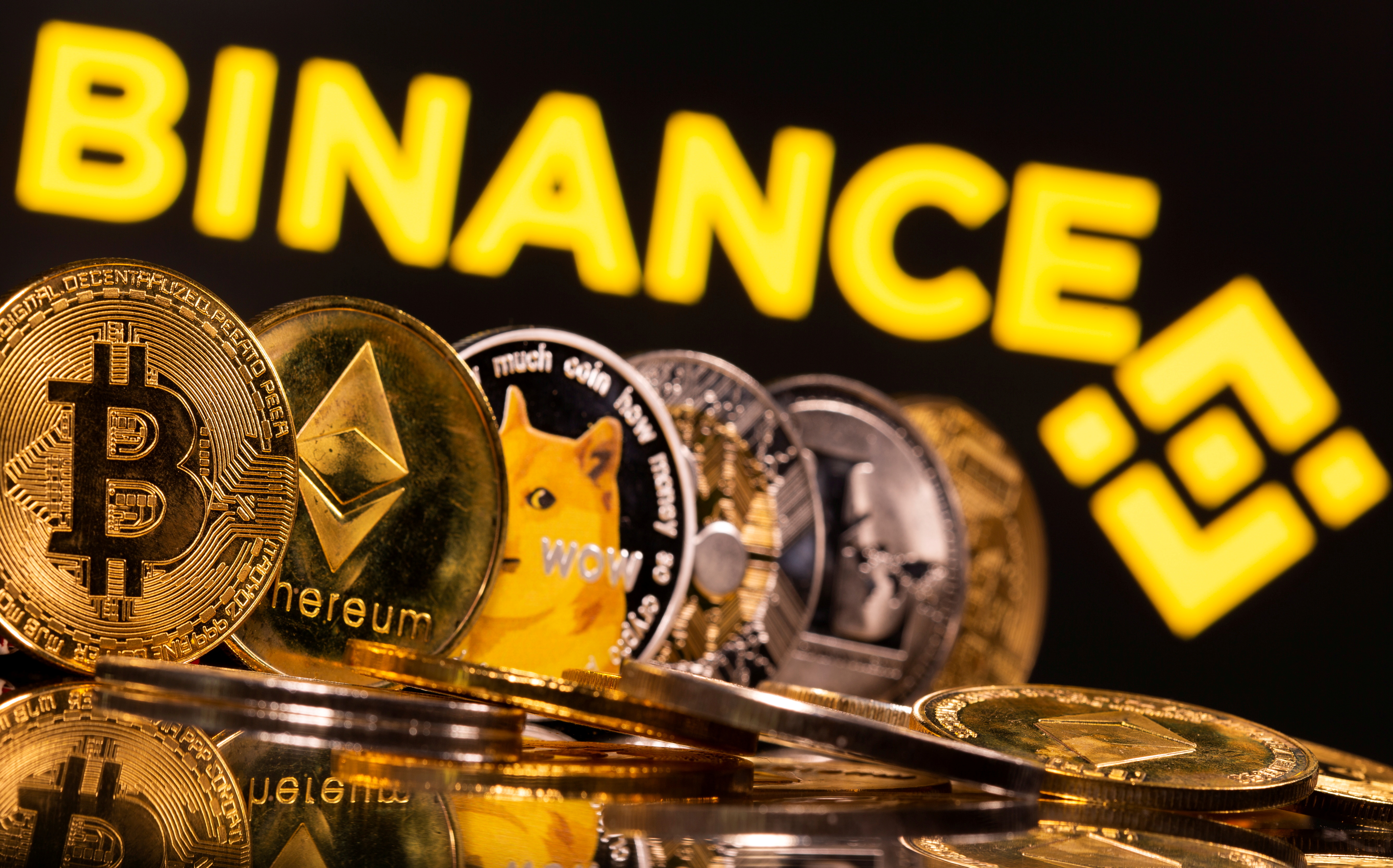
Binance, once the dominant force in cryptocurrency exchanges, has witnessed a sharp fall in its market
share, marking a four-year low as of September 2024. This decline is coupled with a notable drop in
trading volumes, with figures indicating a contraction of over 20% compared to the previous month. The
exchange’s declining influence underscores broader market dynamics that are reshaping the competitive
landscape of digital assets trading. As of September, Binance’s market share slipped to approximately
34%, a significant decline from the 50% it commanded earlier in the year. The company’s dwindling
dominance has raised questions about its long-term strategy and its ability to maintain its foothold in
a market that is becoming increasingly fragmented. Several factors have contributed to Binance’s drop,
including regulatory pressures, legal challenges, and the emergence of rival platforms that are
capitalizing on the exchange’s setbacks. Binance’s struggle is further exacerbated by the global
regulatory environment, which has been tightening around the exchange. Multiple jurisdictions, including
the U.S. and Europe, have introduced or expanded regulations aimed at increasing oversight of
cryptocurrency exchanges. In particular, Binance has faced scrutiny from authorities over concerns
surrounding compliance with anti-money laundering (AML) rules, as well as issues related to Know Your
Customer (KYC) requirements. These challenges have resulted in some users migrating to alternative
platforms that are seen as more compliant or less prone to legal uncertainties. Despite these obstacles,
Binance continues to be a major player in the crypto space. Its diverse offerings, including a wide
array of digital assets and its established reputation, still attract a substantial user base. However,
the exchange has been forced to adapt to changing conditions, implementing new policies aimed at
addressing regulatory concerns. These measures, while necessary, have also created friction with some
users who prefer the more relaxed regulatory environment that Binance originally thrived in. Rival
exchanges such as OKX and Bybit have gained ground, seizing the opportunity to attract traders
dissatisfied with Binance’s regulatory troubles. OKX, in particular, has seen its market share rise,
largely driven by its appeal to institutional investors and its regulatory standing in key regions.
Bybit, on the other hand, has capitalized on its innovative product offerings, particularly in
derivatives trading, which has drawn significant trading volume away from Binance. Decentralized
exchanges (DEXs) have surged in popularity as a viable alternative to traditional, centralized platforms
like Binance. DEXs offer users the ability to trade directly from their wallets without the need for
intermediaries, providing an additional layer of privacy and security that centralized exchanges
sometimes struggle to offer. Uniswap and other DEXs have seen an uptick in usage, contributing to the
redistribution of market share across the broader crypto ecosystem. The overall cryptocurrency market
has also been experiencing reduced trading activity, which has affected not just Binance but the
industry as a whole. Lower volatility in major cryptocurrencies such as Bitcoin and Ethereum has led to
a decrease in speculative trading, which typically drives much of the volume on exchanges. As a result,
Binance’s reliance on high trading volumes has placed it in a vulnerable position during periods of
market stagnation. The exchange’s response to these challenges will likely determine its ability to
regain market share. Binance has already made efforts to bolster its reputation and restore confidence,
including expanding its regulatory compliance team and forging partnerships with regulators to create a
more transparent operational environment. Nevertheless, with its trading volume plunging and competitors
gaining traction, Binance’s path forward remains uncertain. One of the more notable trends influencing
Binance’s decline is the growing interest in institutional cryptocurrency trading. Institutional players
have become more active in the space, seeking exchanges that can provide robust compliance frameworks,
secure trading environments, and advanced features suited to their needs. Binance, despite its size and
market share, has struggled to fully cater to these demands, creating an opening for more niche,
institution-focused platforms to thrive. Binance’s founder and CEO, Changpeng Zhao (CZ), has maintained
a bullish stance on the future of the company, pointing to its innovation pipeline and its commitment to
working with regulators. He has stressed the exchange’s focus on creating a sustainable ecosystem that
will benefit both retail and institutional traders. However, the company’s future success will largely
depend on how well it navigates the complex regulatory landscape and adapts to the evolving needs of its
users.