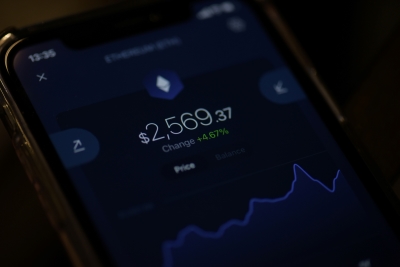
Bitcoin Stands Firm at $62K Amid Market Volatility

Cryptocurrency markets are experiencing notable fluctuations, with Bitcoin holding steady at
approximately $62,000 despite significant swings in traditional financial assets like stocks and gold.
The dynamics between these markets reveal a complex relationship, influenced by various economic
indicators and investor sentiment. While risk assets such as equities have surged, driven by optimistic
corporate earnings and robust economic data, precious metals like gold have faced downward pressure.
Recent data shows that major stock indices, including the S&P 500 and the NASDAQ, have rallied, buoyed
by a strong earnings season and positive macroeconomic trends. This optimism has led to increased risk
appetite among investors, prompting a shift towards equities. However, gold has declined, reflecting
reduced demand for safe-haven assets as confidence in the economic recovery grows. The price of gold
dropped below $1,800 per ounce, influenced by rising Treasury yields and a strengthening U.S. dollar.
Contrastingly, Bitcoin and other cryptocurrencies are experiencing a distinct trajectory. While
Bitcoin’s price has remained relatively stable, other digital assets, particularly memecoins, are
witnessing profit-taking, leading to a decline in their value. The speculative nature of these assets
often results in volatile price movements, with investors quickly shifting their strategies to
capitalize on market trends. The trend has led to a 10% drop in major memecoins like Dogecoin and Shiba
Inu over the past week.
The divergence between traditional assets and cryptocurrencies raises questions about the long-term
sustainability of Bitcoin’s current price level. Institutional interest in Bitcoin remains high, with
several financial firms integrating digital assets into their investment strategies. The launch of
Bitcoin ETFs in various markets has further legitimized cryptocurrency as an asset class, attracting
both retail and institutional investors.
Regulatory developments continue to influence market dynamics as well. Governments worldwide are
increasingly focusing on the regulation of cryptocurrencies, with discussions around frameworks for
taxation, anti-money laundering, and consumer protection gaining traction. In the United States, the
Securities and Exchange Commission (SEC) is actively scrutinizing cryptocurrency exchanges and products,
which could significantly impact market sentiment.
Macroeconomic factors are playing a crucial role in shaping investor behavior. The Federal Reserve’s
monetary policy remains a focal point, with market participants closely monitoring interest rate
decisions and inflation trends. Recent statements from Fed officials hint at a cautious approach to
tapering asset purchases, leading to speculation about the potential impacts on both traditional and
cryptocurrency markets.
As Bitcoin stabilizes around the $62,000 mark, experts suggest that the cryptocurrency may be reacting
to broader market conditions rather than leading the charge. Analysts note that Bitcoin’s correlation
with traditional risk assets has fluctuated, suggesting that it could either serve as a hedge against
inflation or simply follow trends set by equities. The interplay between these markets highlights the
evolving nature of cryptocurrency as an investment vehicle.
Emerging technologies within the blockchain ecosystem are attracting attention. Developments in
decentralized finance (DeFi) and non-fungible tokens (NFTs) are reshaping the landscape, offering new
opportunities for investors and creators alike. As DeFi protocols gain traction, they present innovative
solutions for lending, borrowing, and yield farming, further solidifying the relevance of
cryptocurrencies in the financial sector.
While Bitcoin maintains its position, the broader crypto market is navigating a complex environment
influenced by external factors. The shift in sentiment surrounding memecoins highlights the speculative
nature of many digital assets, where quick gains are often followed by sharp corrections. Investor
caution is evident as they recalibrate their portfolios amid changing market conditions.