Can You Buy Crypto With A Credit Card?

Share to Facebook
Share to Twitter
Share to Linkedin
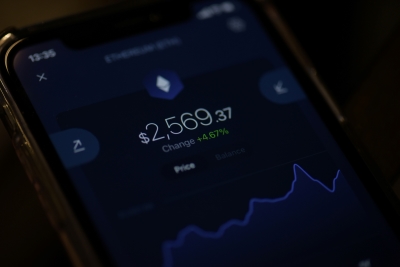
Making a cryptocurrency purchase with a credit card.
TABLE OF CONTENTS
Common Payment Methods To Purchase Crypto
Can You Buy Crypto With A Credit Card?
How To Buy Crypto With A Credit Card
Which Exchanges Allow Credit Card Purchases?
Pros And Cons Of Buying Crypto With A Credit Card
Do Credit Cards Offer Crypto Rewards?
Fees That May Be Involved
Risks Involved In Credit Card Purchases
Security Measures To Consider
Is It Worth Buying Crypto With A Credit Card?
Alternatives To Credit Cards For Crypto Purchases
Bottom line
Frequently Asked Questions (FAQs)
Whether you are already experienced or just getting started with bitcoin and other cryptocurrencies, you
might be interested in buying crypto with a credit card. It is possible to use your credit card to buy
cryptocurrency, but it comes with unique considerations and potential fees. This article discusses the
pros, cons, risks and security measures involved with buying crypto with consumer credit. By the end,
you’ll have the information necessary to decide whether and how to buy crypto with a credit card.
Common Payment Methods To Purchase Crypto
You may purchase crypto using several common payment methods, including bank transfers, debit cards,
PayPal and credit cards. Before we get to credit cards, let’s take a quick look at some of the other
common methods of purchasing crypto.
Bank Transfers (ACH transfers)
Bank transfers, or ACH (Automated Clearing House) transfers, are one of the most common ways to buy
cryptocurrency. They allow for significant transfer limits and relatively low fees, making them ideal
for small and large purchases alike. This method is supported by most major exchanges.
Some banks and exchanges support instant bank transfers. In other cases, it can take a few days for the
bank transfer to complete. Despite potentially slower processing times, the cost-effectiveness and ease
of use make bank transfers a preferred method for many crypto buyers.
Debit Cards
Purchasing crypto with a debit card offers convenience and speed, allowing for quick transactions with
relatively low fees. Many exchanges support debit cards, giving users a fast and familiar method to
acquire crypto.
MORE FOR YOU
‘This Needs To Stop’—Tesla Billionaire Elon Musk Issues ‘Staggering’ Fed ‘Bankruptcy’ Warning After
Sparking Bitcoin Price Panic
Microsoft Windows Deadline—10 Days To Update Or Stop Using Your PC
Comet Tracker Tonight: Sunday May Be Your Good Last Chance To See A3
Some platforms may impose transaction limits or additional security verification, but in most cases,
debit card transactions are similar to bank transfers.
Buying cryptocurrency with PayPal is a convenient option, especially for those who already have a PayPal
account. Users can buy, sell, and hold Bitcoin
, Bitcoin Cash, and a proprietary stable coin called PayPal USD, with as little as $1. PayPal’s fees for
crypto transactions are generally higher than those on dedicated exchanges.
In 2022, PayPal made a controversial update to its user agreement that included a clause allowing PayPal
to directly debit a user’s account if he or she was found to have posted something online that was
deemed to be “misinformation” or “hate speech.” After a significant backlash, PayPal retracted the
policy. However, with so many ways to acquire crypto, there is no reason to use PayPal and take the risk
that your assets might one day be confiscated because of what you post on social media.
Can You Buy Crypto With A Credit Card?
Some exchanges allow you to buy cryptocurrency with a credit card, subject to certain limits, locations
and credit card provider policies. Using a credit card can be convenient but usually involves higher
transaction fees and can also incur cash advance fees. Some credit cards have policies that limit their
use for purchasing cryptocurrency; in these cases, attempted purchases of crypto may be declined.
How To Buy Crypto With A Credit Card
If you are interested in buying crypto with a credit card, here’s a step-by-step guide.
1. Choose A Crypto Exchange
Start by selecting an exchange that allows credit card transactions. Research options to find one that
offers security, low fees and the cryptocurrencies you’re interested in. Some exchanges offer only
bitcoin, while others allow you to purchase several altcoins and crypto tokens.
2. Register And Verify Your Identity
Most exchanges require identity verification to comply with government regulations. This process
typically involves submitting a government-issued ID and may take a few minutes to complete.
3. Link Your Credit Card
Once verified, navigate to the payment methods section and enter your credit card information. It is
usually a good idea to contact your credit card company and let them know about your desire to purchase
cryptocurrency with your card. If you don’t, there is a high likelihood that your transaction will be
automatically declined.
4. Buy The Cryptocurrency Of Your Choice
Choose the crypto you want to purchase, enter the amount and confirm the transaction. Some services send
the crypto directly to an on-chain address, while others hold it in custody until you withdraw it.
Which Exchanges Allow Credit Card Purchases?
As of October 2024, here are some cryptocurrency exchanges that allow you to purchase crypto with a
credit card:
Coinbits is a bitcoin-only exchange that allows you to buy bitcoin with a credit card directly on its
public website with no account required. To maximize the chances that your transaction goes through,
it’s best to contact your credit card issuer to let them know that you want to use your card for
cryptocurrency purchases.
CEX.IO is a well-established cryptocurrency exchange and trading platform that has been operating since
2013. Once you create an account you can buy cryptocurrencies with a credit card and other payment
methods.
Kraken lets you buy crypto with a debit or credit card with verified Intermediate and Pro tier accounts
in supported countries. Cards must support 3D Secure (3DS), which provides additional fraud protection.
Pros And Cons Of Buying Crypto With A Credit Card
When buying crypto with a credit card, there are both pros and cons to consider.
Speed and convenience: Credit card purchases are fast and easy.
Immediate access to funds: Your crypto becomes available almost immediately, without waiting for bank
transfers to process.
Higher fees: Credit card transactions often come with additional fees, meaning that you will get less
crypto for your money.
Interest and debt risk: Unpaid credit card balances accumulate interest, potentially adding to the
overall cost of your investment
Credit card company restrictions: Some providers block or restrict crypto purchases, limiting your
options.
Do Credit Cards Offer Crypto Rewards?
Some credit cards offer crypto rewards, allowing users to earn bitcoin and other cryptocurrency instead
of traditional points or cash back. These cards provide an innovative way to passively acquire crypto
through everyday spending. Although such card programs had been growing in popularity a few years ago,
actions against the crypto industry by the U.S. government in 2022 caused many to shut down.
Some credit cards still allow users to earn cryptocurrency rewards. A notable example is the Gemini
Credit Card, which offers instant crypto rewards with no transaction fees. Cardholders can earn 3% back
on dining, 2% on groceries, and 1% on other purchases, redeemable in bitcoin, ether, or other
cryptocurrencies. Unlike many cards, Gemini’s rewards are available immediately, giving users access to
crypto with every purchase.
The Venmo Credit Card also offers a pathway to crypto rewards. Cardholders earn 3% back on their top
spending category, 2% on their second highest and 1% on everything else. While these rewards default to
cash back, users can convert them into crypto at no additional cost, providing flexibility for those
looking to build a crypto portfolio.
Fees That May Be Involved
When using a credit card to buy cryptocurrency, fees can accumulate quickly and may vary depending on
the exchange, credit card issuer and transaction type. Here are the main fees to consider:
Transaction Fees
Most exchanges charge a fee for credit card transactions, often between 2-3%, which can be significantly
higher than other methods like bank transfers. For example, a $1,000 crypto purchase could cost an extra
$20 to $30 in transaction fees.
Cash Advance Fees
Some issuers categorize crypto purchases as cash advances, which carry a fee of 3-5% and accrue interest
immediately. American Express, for instance, may treat a $1,000 crypto purchase as a cash advance,
adding $100 in fees. Note that cash advances also forgo the standard grace period for repayment.
Foreign Transaction Fees
If the exchange operates outside your card’s issuing country, expect a 3% foreign transaction fee.
Risks Involved In Credit Card Purchases
Using a credit card to buy crypto can be risky, and it’s crucial to understand potential pitfalls before
diving in. Here are key risks to keep in mind:
Credit Card Security Risks
While many reputable exchanges prioritize security, the crypto market is also filled with hundreds of
platforms that vary widely in legitimacy. Some may be vulnerable to hacks, while others, in the worst
cases, are outright scams. Though credit cards offer fraud protection, compromised information could
lead to unauthorized charges and time-consuming disputes. Always choose trusted, well-reviewed exchanges
and avoid platforms promising quick profits.
Impact On Credit Score And Debt
Credit card purchases add to your personal debt, which can increase your credit utilization ratio and
potentially harm your credit score. Accumulating high-interest debt from crypto purchases can quickly
spiral if values fluctuate, leaving buyers over-leveraged. Only invest amounts you can afford to repay
and consider starting with small, manageable purchases to mitigate financial strain.
Security Measures To Consider
Research the exchange’s reputation for data security before linking your card. Consider using exchanges
that offer two-factor authentication (2FA) and avoid using public Wi-Fi when transacting.
Is It Worth Buying Crypto With A Credit Card?
Whether purchasing crypto with a credit card is worth doing depends on your financial goals and risk
tolerance. Consider the fees, potential for debt and your credit card’s policy on crypto transactions.
If convenience and immediate access to funds are priorities for you, and you're ready to pay the added
fees, using a credit card for crypto purchases might be worth considering.
In some cases, crypto purchases may earn reward points, allowing you to offset part or all of the
associated fees. This can make using a credit card for crypto a more cost-effective option, especially
if you're earning rewards on crypto purchases you’d be making anyway.
Alternatives To Credit Cards For Crypto Purchases
For those who want to avoid credit card fees, alternatives include bank transfers (ACH transfers), wire
transfers and even cash instruments like paper money and money orders.
Bank Transfers (ACH Transfers)
Bank transfers, or ACH (Automated Clearing House) transfers, are a widely-used and cost-effective way to
buy cryptocurrency without incurring high credit card fees. Many exchanges offer bank transfers with
little to no transaction fees, though processing can take a few days. This method is ideal for those
comfortable waiting a short period to avoid the additional costs associated with instant transactions.
Wire Transfers
Wire transfers are another alternative for purchasing crypto, and are especially useful for larger
transactions. While wire transfers often carry a fee (typically between $10-$30 domestically and
slightly more for international), they’re faster than ACH transfers, generally completing within the
same day. This option offers a balance between speed and cost-effectiveness, making it a preferred
choice for investors moving larger sums.
Cash Instruments
For those who seek maximum privacy and want to avoid fees, cash instruments like paper money and money
orders can also be used, primarily through peer-to-peer platforms. Cash transactions may come with
limitations on amounts and availability but offer a straightforward, fee-free alternative to
credit-based purchases.
Bottom line
Using a credit card to buy cryptocurrency is convenient but comes with costs and risks. While credit
cards provide speed and flexibility, they often carry higher fees, potential cash advance charges, and
increased debt risk. Alternatives like bank transfers, wire transfers and cash offer more cost-effective
ways to enter the crypto market for those willing to plan ahead. Ultimately, whether or not to use a
credit card depends on your financial goals, risk tolerance and preference for convenience over cost.
Always evaluate fees, security and payment flexibility to find the best option for your crypto goals.
Frequently Asked Questions (FAQs)
Can I Use Any Credit Card To Buy Crypto?
Not all credit cards support crypto purchases. Some issuers restrict or block these transactions. It is
a good idea to check with your card issuer before attempting to purchase cryptocurrency.
Are There Limits To Buying Crypto With A Credit Card?
Yes, most exchanges and card issuers have transaction limits to reduce fraud risk.
Can I Earn Rewards From Credit Card Purchases Of Crypto?
Yes, some cards offer crypto rewards, allowing users to earn bitcoin or other cryptocurrencies on
everyday purchases. Some cards treat cryptocurrency purchases like any other purchase, allowing you to
accumulate card rewards.
What Is The Best Alternative If I Cannot Use A Credit Card?
Bank transfers are the most common method of purchasing cryptocurrency. Wire transfers and cash
transactions are also good options, depending on your situation.
Follow me on Twitter or LinkedIn. Check out my website.
Dave Birnbaum
Editorial Standards
Forbes Accolades