PayPal veteran David Marcus has bold ambitions for his $175 million Bitcoin startup
Lightspark—but says it might take the rest of his life
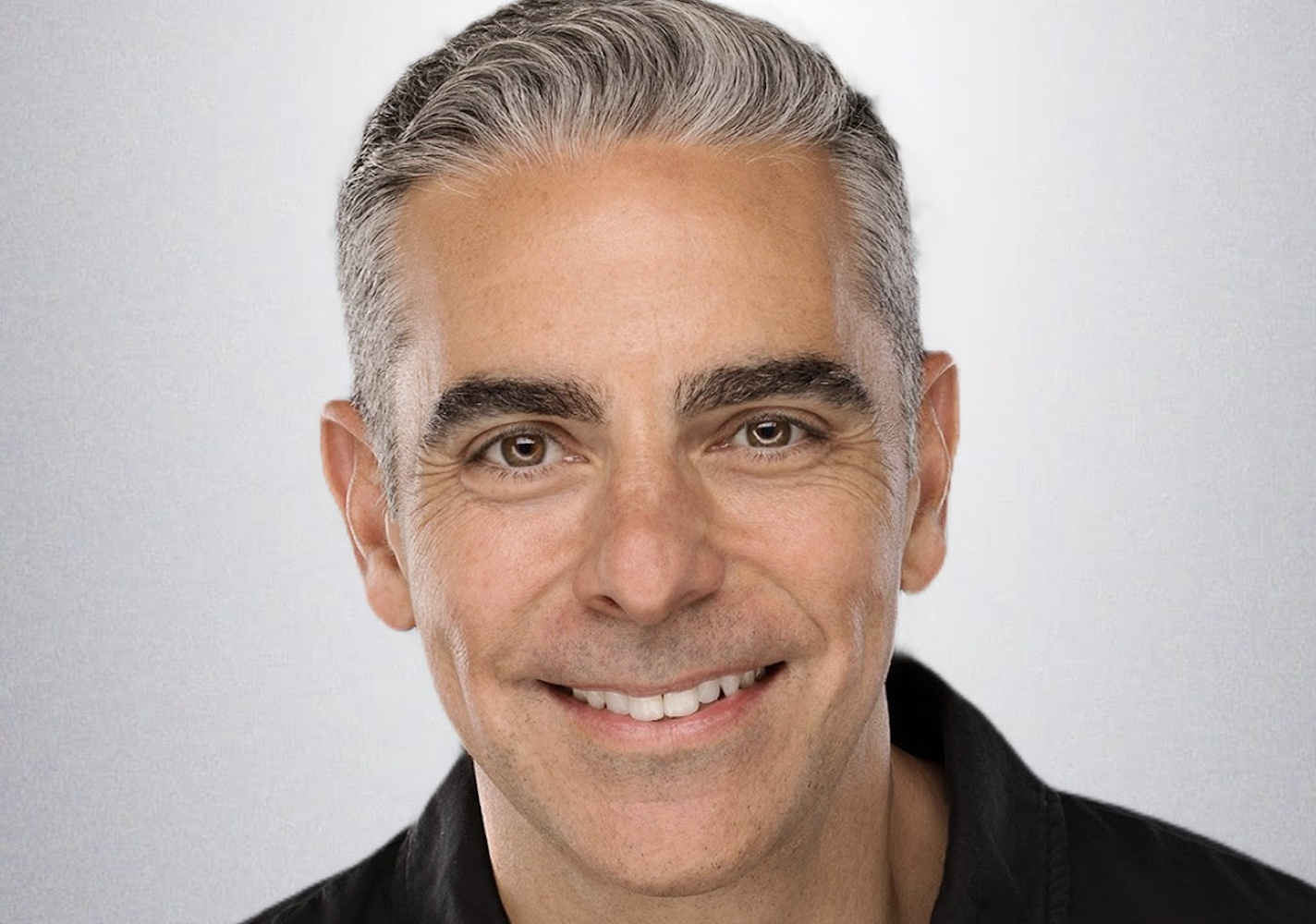
In his final role at Facebook, Marcus led the ill-starred Libra project—a wildly ambitious attempt to
create a global cryptocurrency, pegged to real-world currencies, within WhatsApp and the company’s other
apps. The project triggered a ferocious blowback from politicians and was ultimately crushed. Undaunted,
Marcus went on to launch a company of his own called Lightspark in 2022, raising $175 million to promote
the mainstream adoption of Bitcoin. This too has been an uphill struggle.
This week, Marcus took the stage in a chic Los Angeles hotel to announce a suite of new Lightspark
products he believes will put Bitcoin at the center of global money transfers. Svelte and handsome with
grey hair, Marcus charmed the audience with his vision—but, in a sign of the challenge before him, he
declared he will work on it for the rest of his life. It’s not clear if that will be enough time.
Bitcoin as neutral solution
As anyone who has used Venmo or Zelle can attest, moving money within the U.S. is free and easy. The
same is true within other countries. It’s a different story sending money across borders, which entails
sending wires—a cumbersome process that takes days, typically costs around $40 and is not available
outside banking hours. The reasons for this are partly technological, but mostly due to geopolitics.
“All [financial] networks are run by countries or by companies that are perceived as companies,” Marcus
said, referring to government-run payment networks like FedNow or India’s UPI, and to big corporations
like MasterCard.
Political leaders are wary of relying on another country’s network for something as critical as
payments, meaning there is no equivalent of Venmo across borders. The upshot is that it is expensive or
impractical to send even small amounts of money between the U.S. and Mexico, or between Singapore and
the Philippines—as millions of workers abroad can attest.
The solution to this, says Marcus, is to turn to a money network that is neutral and decentralized:
Bitcoin. His company Lightspark is trying to bring that about, building software that can let anyone use
the Bitcoin network without incurring its infamous costs and slow processing times. The task has proved
a slog since Lightspark has been relying in part on an existing upgrade for Bitcoin called the Lightning
Network—a service panned even by crypto devotees as buggy and expensive.
On Thursday, Lightspark touted a series of upgrades it says will overcome the Lightning Network’s
defects, and accelerate the adoption of Bitcoin in global money transfers. Those upgrades include the
ability to connect any wallet to the Lighting Network around the clock and a Layer 2 (a blockchain sits
atop a primary blockchain like Bitcoin or Ethereum) network of its own called Spark.
Meanwhile, Marcus said a variety of well-known financial brands—including Stripe, Coinbase and
NuBank—are trying out Lightspark’s tools.
For Marcus, all of this is part of a future where people easily send money across borders using a
Venmo-style interface. In the background, the transaction will occur by converting one currency—say the
Brazilian real—into Bitcoin and then converting it again into the transfer recipient’s local currency
such as the U.S. dollar. He also anticipates that stablecoin transactions, which are rapidly gaining
traction, will migrate to Bitcoin’s network from blockchains like Ethereum and Tron.
Lightspark is not the only company trying out cryptocurrency as a solution to cross-border payments. San
Francisco-based Ripple has long been touting XRP as a “bridge currency” to make these transfers more
efficient.
Marcus says Bitcoin is the better solution since it is much bigger and more decentralized than XRP, and
because banks can trust the Bitcoin network as durable enough to be here 100 years from now.
If you build it, will they come?
Marcus’s vision of Bitcoin as a large and neutral intermediary at the center of global money transfers
is an intriguing one and, in theory, it could work. The question is whether Lightspark can persuade
anyone to use it.
The plan for Bitcoin-based money transfers relies on users having something called a “Universal Money
Address” or UMA that, in the same way as email, lets anyone send or receive with that address. On
Thursday, Lightspark announced a tool that makes it easy for those who have an UMA to grant permission
to third party apps to integrate the address. In practice, this means people will be able to tie their
UMA address—a gateway to the Bitcoin network—to their existing bank and personal finance apps.
So far, though, no non-crypto companies in North America appear to have done so, and Lightspark would
not provide any details about when they would. The company did, though, say the giant Brazilian neo-bank
NuBank is using its services and pointed out that the appetite for payment alternatives in Latin America
is thriving.
Lightspark declined to share any figures such as active user numbers that would reflect whether the
service is getting any traction. It also offered no specifics about how much revenue it is pulling in,
though Marcus told Fortune the company is growing fast and that is charging various companies on a
per-transaction basis.
Meanwhile, one person familiar with Lightspark’s ambitions, who spoke on the condition of anonymity,
said he believes the company is simply too late to the game. He pointed to the rapid adoption of
existing stablecoin networks as a sign that Marcus’s Bitcoin solution—as elegant as it may be—will
struggle to displace what people are using already.
Marcus unfazed by such doubts. He says Lightspark has plenty of money—in part thanks to its purchase of
a significant amount of Bitcoin two years ago when prices were slumping. He predicts that, now much of
the technical infrastructure is in place, the world will soon be ready to make Bitcoin a backbone of
global finance.