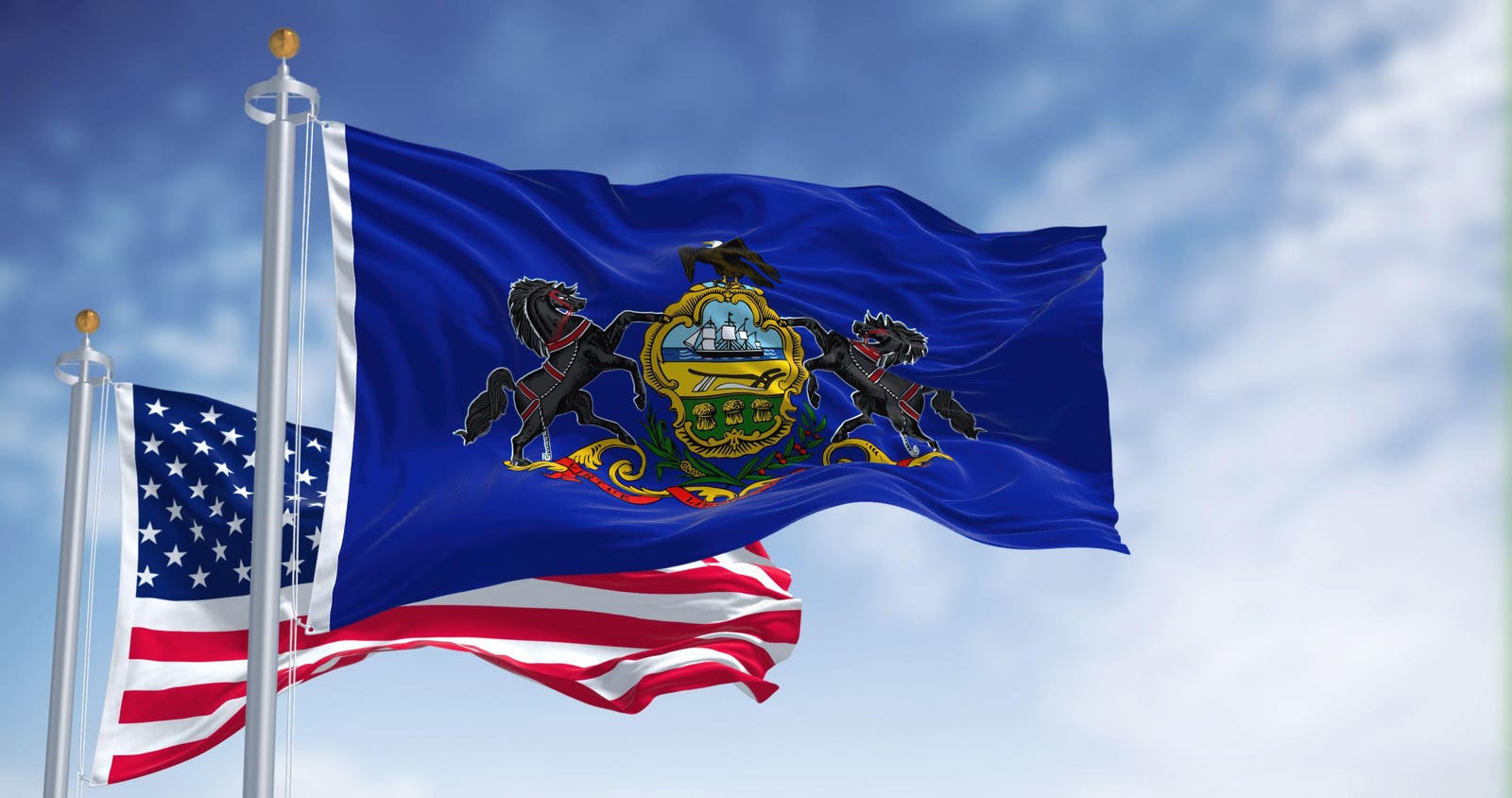
Pennsylvania House Passes Crypto Protection Bill In Bipartisan Vote
Share to Facebook
Share to Twitter
Share to Linkedin
Pennsylvania House passes Digital Assets Authorization Act with bipartisan majority
The Pennsylvania House of Representatives passed the Digital Assets Authorization Act on October 22,
2024. The bill secured an overwhelming majority of 176-26 votes, backed by all 100 Republican members
and 76 Democrats, according to the official Pennsylvania General Assembly voting record. The legislation
now moves toward Senate review and if approved will land on the Governor's desk.
The strong bipartisan support for the bill reflects a broader trend in U.S. politics, where
cryptocurrency regulation represents a rare unifying issue. Among crypto owners, 35% identify as
Democrats, 33% as Republicans and 32% as independents or other according to a Grayscale report.
However, the House's voting pattern shows that some resistance remains among Democrats, with 26 voting
against the bill while Republicans showed unanimous support.
Pennsylvania House vote: 176 yes votes (100 Republicans, 76 Democrats) versus 26 Democrats voting ...
[+] no.
Andrey Sergeenkov
Voters are paying close attention to crypto policy, with 51% of crypto-positive voters monitoring
candidates' positions, while 48% of all voters express distrust towards politicians who interfere with
crypto development, rising to 63% among crypto-positive voters, according to a recent DCG and Harris
Poll survey of swing states, including Pennsylvania. "This data shows crypto is top of mind for voters
in swing Senate states and that a pro-crypto position is a net positive for policymakers and
candidates," said Julie Stitzel, Senior Vice President of Policy at DCG in a press release statement.
Bill Specifics And Enforcement Plan
If enacted, this crypto legislation would establish clear protections for digital asset usage and
custody rights across Pennsylvania, while maintaining existing regulatory frameworks.
MORE FOR YOU
Here’s The Exact Time ‘Black Ops 6’ Launches On PC, Xbox And PS5 In Every Timezone [Update]
Today’s NYT Mini Crossword Clues And Answers For Friday, October 25
Elon Musk Is Now Trump’s 2nd-Biggest Financial Backer: Donates Nearly $120 Million To Super PAC
The legislation clearly defines digital assets as decentralized virtual currencies, cryptocurrencies and
native electronic assets, including stablecoins and NFTs. Notably, it explicitly excludes central bank
digital currencies and other government-controlled digital assets from its scope.
Under the proposed law, state and local governments would be prohibited from restricting individuals and
businesses from accepting digital assets as payment for legal goods and services. The bill also protects
the right to self-custody digital assets using hardware or self-hosted wallets, ensuring users maintain
independent control over their assets.
The tax provisions of the bill ensure that digital assets won't face discriminatory treatment. While
standard taxes will apply to transactions using digital assets just as they do with U.S. dollar
transactions, the legislation prohibits any additional taxes, withholdings or charges based solely on
the use of digital assets as a payment method.
According to the fiscal note released by the House Appropriations Committee on October 23, the
implementation of this legislation would have no impact on commonwealth funds, as it primarily focuses
on establishing regulatory frameworks rather than creating new government programs or requirements.
If enacted, the law would take effect after a 60-day implementation period, giving businesses and
government entities time to adjust to the new regulatory framework.The bill maintains existing
regulatory requirements for virtual currency businesses and fraud protection measures, ensuring consumer
protection remains a priority.
Pennsylvania's Digital Assets Authorization Act follows Louisiana's recent crypto-friendly legislation
and its first U.S. state to accept cryptocurrency for government services in September 2024, reflecting
a growing trend of state-level initiatives to embrace digital assets.
Follow me on Twitter or LinkedIn. Check out my website.
Andrey Sergeenkov
Editorial Standards
Forbes Accolades