What Crypto Investors Should Expect From A Pro-Crypto Congress
Share to Facebook
Share to Twitter
Share to Linkedin
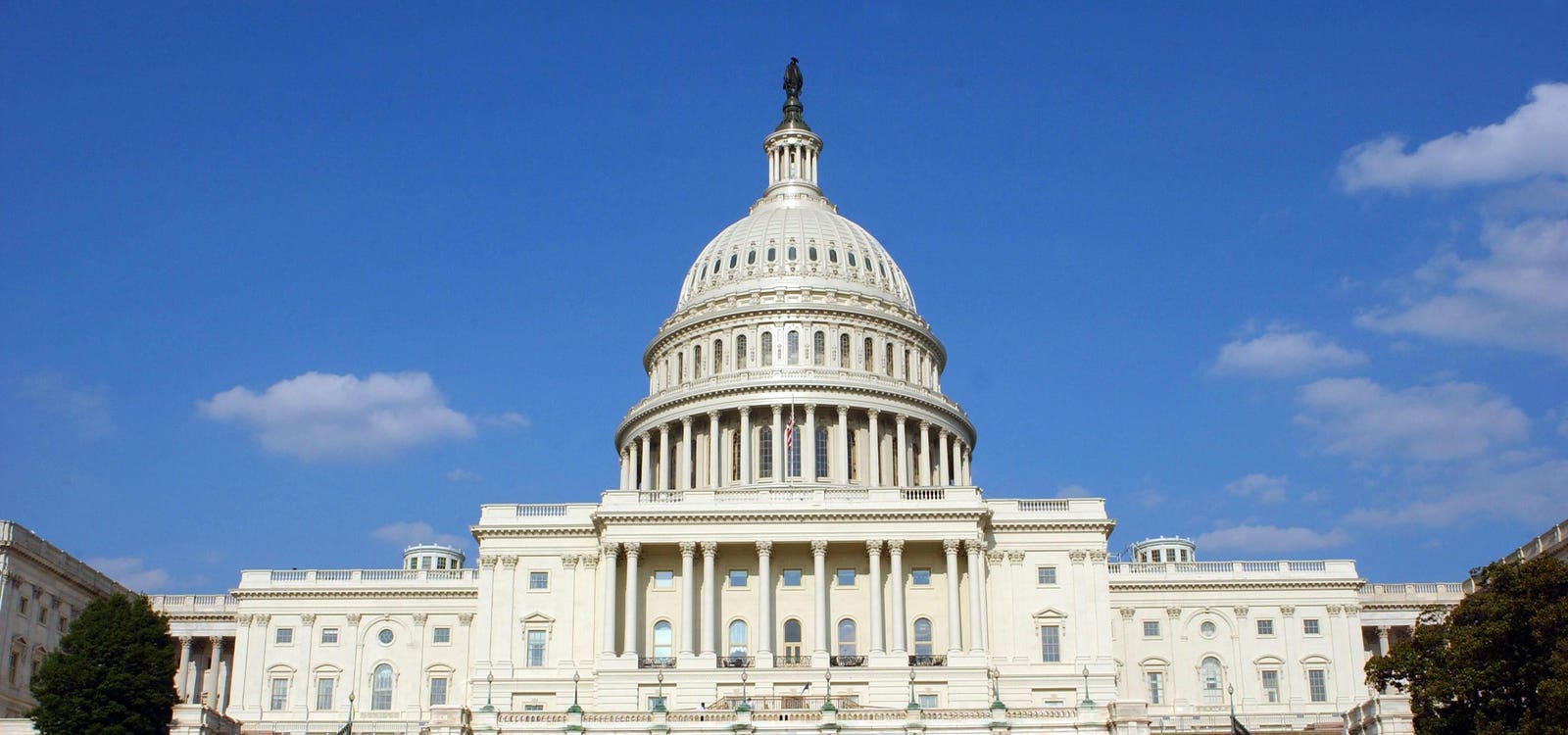
Crypto has more allies than ever in Washington D.C.
Getty Images
Crypto has made headlines as the 2024 Presidential Election enters the final hectic stretch, but that
has overshadowed the wide-ranging influence that crypto lobbyists and lobbying dollars will have on the
next Congress. With over $160 million spent by the crypto industry in the current election cycle,
investors and policymakers alike should prepare for a bipartisan influx of crypto-friendly lawmakers
across both chambers of Congress. With multiple candidates poised to ascend to seats in the House of
Representatives this voting block is set to add a significant voice in support of an industry that been
continuously on the defensive under the Biden Administration and SEC chair Gary Gensler.
Interestingly enough the spending by the crypto industry has occurred on a bipartisan basis, including
millions of dollars spent at the primary level to ensure pro-crypto candidates appeared on the general
election ballot in the first place. Since January 2023 crypto super PACs have funded advertising
campaigns involving 67 candidates, including ad campaigns in support of the candidates in question as
well as more negative campaigns targeted at opponents of the pro-crypto individual. Given the rapid
ascent of the crypto lobbying industry – that although not yet ranked #1 in total dollars spent - has
certainly made crypto a talking point and issue of this election cycle from a nearly invisible starting
point. Given that, investors and policymakers alike should be aware of what a quantifiably more
pro-crypto Congress could mean going forward.
A New SEC Chairperson
One of the few things that politicians on both sides of the aisle can agree upon is that the SEC regime
that has been led by Gary Gensler has taken an antagonistic approach to the crypto sector. After a track
record of drafting cutting edge regulation in a prior role at the CFTC, as well as developing and
delivering courses on blockchain and tokenized assets at MIT, the attitude taken by the chair has been
quite the opposite of prior public comments. Whether it be the regulation-by-enforcement tactic taken in
the form of multiple lawsuits and legal notices against token issuers and crypto exchanges, or the
combative comments made during public appearances the message has been clear. Crypto has been listed and
treated as a detriment to public markets rather than the innovative solution it truly represents.
Flush with dollars from crypto super PACs and other lobbyists, the new Congress (and potentially the
White House) – will face both pressure and expectations to install a new SEC head. While technically
there is no obligation for an incumbent chairperson to resign upon a change in either Congressional or
White House leadership that has been the case previously. One thing that crypto investors and advocates
should be wary of, however, is that (like under Gensler) even an apparently pro-crypto individual can
undertake an aggressive and antagonistic campaign.
Legislation: Stablecoin Or Bitcoin
Another expectation that policymakers and investors should come into 2025 with is that – after years of
false starts and seemingly interminable hearings and testimonials – some kind of crypto related
legislation is due to be passed into law. While there have been multiple efforts in the past to codify
the treatment and classification of stablecoins, there are two primary reasons why the new Congress will
more strongly incentivized to do so. First the reality that TradFi institutions across the board have
entered into the crypto arena with an array of products and services has made crypto and crypto-adjacent
topics more understandable and less frightening for the non-expert consumer. Second is the growing
profile of technologies and technology applications – including crypto alongside the red hot AI sector –
in every day conversation. Consumers increasingly understand that tools exist that will enable daily
transactions and activities to be performed in a more cost and time efficient manner. Consumer interest
translates to voter expectations, especially as the private sector continues to innovate and produce
solutions.
MORE FOR YOU
Trump Vs. Harris 2024 Polls: Ties In 2 New Polls, As Race Narrows Weeks Before Election Day
Here’s The Exact Time ‘Black Ops 6’ Launches On PC, Xbox And PS5 In Every Timezone [Update]
SpaceX’s Crew-8 Returns NASA Astronauts To Earth After 7 Months
These facts circle back around the stablecoins, which are the simplest and most understandable on-ramp
for both institutions and individuals seeking to gain exposure to the crypto space. Additionally, the
Congress will have multiple bills and proposed pieces of legislation from which to iterate, simplifying
the process of eventually passing a stablecoin-centered bill.
Wish List Item: Tax Reform
Taxes are never a simple topic to discuss, and are rarely something that gains widespread agreement, but
for investors and advocates with a more optimistic outlook, clarifying and simplifying crypto tax
treatment is a good place to start. Even if Congress is able pass, and the White House signs into law, a
bill that simplifies and standardizes stablecoin treatment (relatively low hanging fruit all things
considered), current U.S. tax treatment will continue to stifle adoption and further innovation.
Mirroring the approach used for legislative purposes, advocates seeking crypto tax reform would be well
served to focus on targeted exemptions, carve-outs, or other narrow efforts versus a wholesale change in
crypto tax treatment. For example, the current IRS exemption for stablecoin transactions that total
under $25,000 is a start – and might be sufficient for individual investors, traders, and users, but for
entrepreneurs and institutions that is not large enough. Leveraging the pro-crypto Congress to drilldown
on this issue might actually deliver quantifiable tax changes that benefit crypto and encourage wider
utilization.
Congress looks set to pivot to a pro-crypto stance, and investors should take that into account when
looking forward.
Follow me on Twitter or LinkedIn. Check out some of my other work here.
Sean Stein Smith
Editorial Standards
Forbes Accolades