The Main Differences Between a Hot and a Cold Crypto Wallet

Cryptocurrencies have become a popular investment, and choosing the right way to store them is crucial.
When it comes to storing digital assets, investors often decide between hot and cold wallets. Both
options serve to protect cryptocurrencies but offer different features, benefits, and levels of
security. Understanding these differences can help investors make an informed choice based on their
needs and preferences.
Hot Wallets
Hot wallets are digital storage solutions that remain connected to the internet. They are typically
software-based and can be accessed through smartphones, computers, or tablets. Examples include mobile
apps, desktop wallets, web-based wallets, and what most people know as a Bitcoin wallet. The online
nature of the likes of Best Wallet allows users to quickly access and transfer their funds, making them
ideal for frequent transactions or trading. The best ones out there also feature aspects like being able
to manage your entire crypto portfolio, compatibility with thousands of different cryptocurrencies, and
access and operability across a range of crypto exchanges.
One of the main advantages of hot wallets is their convenience. Crypto investment is growing so much
that even the US government is getting in on the action. Investors who actively trade or spend
cryptocurrencies often prefer them because transactions can be completed in seconds. Hot wallets are
user-friendly and usually free to download, making them accessible for beginners.
However, the biggest drawback of hot wallets is their vulnerability to cyberattacks. Since they are
always online, they can become targets for hackers. Phishing scams, malware, and hacking attempts can
compromise hot wallets if proper security measures, like two-factor authentication (2FA) and strong
passwords, are not in place.
Cold Wallets
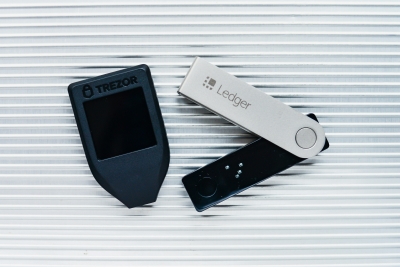
Cold wallets are the offline counterpart to hot wallets. They are hardware or paper-based devices that
store cryptocurrencies without being connected to the internet. Examples include hardware wallets like
USB devices or paper wallets with printed QR codes. This lack of internet connectivity makes cold
wallets much more secure against hacking and cyber threats.
The primary benefit of cold wallets is their strong security. Since they are not connected to any
network, they are immune to online attacks. This makes cold wallets a preferred choice for those who
plan to hold their cryptocurrencies long-term without frequent transactions.
Investors looking to store large amounts of Bitcoin or other digital assets often opt for cold wallets
as a safe haven for their investments. However, this also comes with its own kind of risks as losing
your cold wallet or having it seized can be disastrous to your crypto assets.
Despite their enhanced security, cold wallets come with certain trade-offs. They can be less convenient
for everyday use because accessing funds requires plugging the device into a computer or scanning QR
codes. This process can be time-consuming, especially compared to the instant access provided by hot
wallets.
Which One to Choose? Hot vs. Cold Wallets
Choosing between a hot and a cold wallet depends on an investor’s goals and how they plan to use their
digital assets. They work best when users store only a small amount of their assets online and keep the
majority in a more secure solution.
Cold wallets are better suited for long-term holders or those with significant cryptocurrency
investments who prioritize security over accessibility. For instance, if someone holds a large amount of
Bitcoin and does not plan to trade it frequently, a cold wallet provides peace of mind against cyber
threats unique to crypto holders.
Another factor to consider is the level of technical comfort. Hot wallets tend to be more user-friendly,
while cold wallets can require a more in-depth understanding of how to safely store and use private
keys. Beginners might start with a hot wallet to get familiar with cryptocurrency management before
transitioning some of their funds to a cold wallet for added security.
The Importance of Security in Crypto Storage
As more and more people turn to crypto, regardless of the choice between hot and cold wallets, security
remains a top priority in the world of cryptocurrency. The rise in the popularity of digital assets has
also brought an increase in cybercrime targeting investors. This makes it essential for users to educate
themselves about best practices for securing their crypto assets.
For those using hot wallets, enabling two-factor authentication (2FA) and using wallets from reputable
providers can add an extra layer of protection. Regularly updating wallet software and being cautious of
phishing attacks can also help reduce risks. Cold wallet users should ensure they keep their devices in
a safe place and back up their recovery phrases in secure, offline locations.