Binance CTO Rohit Wad Outlines Focus Points for Web3 App Makers: Details
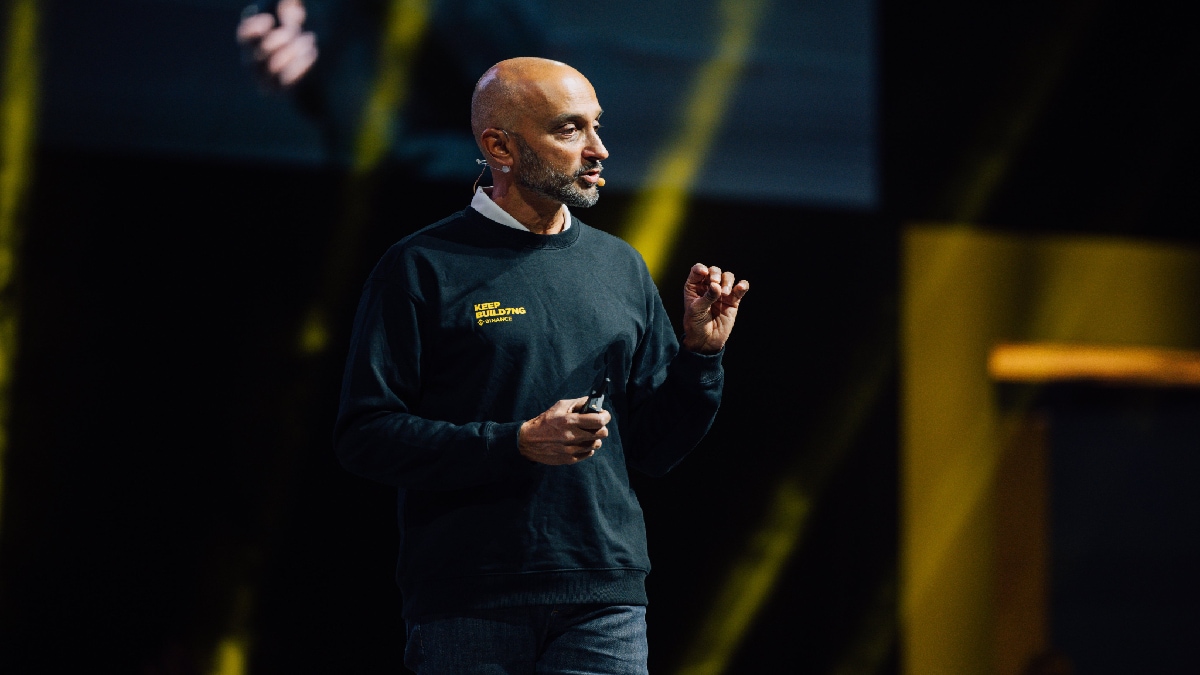
Rohit Wad, a computer science engineer from India's second tier city of Bhilai presently leads the
technology initiatives at Binance, touted as the largest crypto exchange in the world. In conversation
with Gadgets360 last week, Wad emphasised that for Web3 adoption to grow, developers must strike the
right balance between convenience and security to ease user hesitations about exploring the space.
Previously a Corporate VP at Microsoft, Wad took on the role of Binance's CTO in April 2022.
Wad was present at Binance Blockchain Week, that was recently held in Dubai to unite the crypto
community. As the Chief Technical Officer (CTO) of Binance, the IIT Bombay alumnus is tasked with
spearheading the development of scalable Web3 service offerings to serve the exchange's global user
base, which exceeds 237 million registered users.
Speaking to Gadgets360, Wad shared that his vision for Binance focuses on combining the user-friendly
features of familiar apps and interfaces with enhanced security measures. This approach aims to support
users as they navigate the complexities of volatile cryptocurrencies in upcoming services.Facebook,
Nvidia Ask US Supreme Court to Spare Them from Securities Fraud Suits
“Many people on their phone with the banking app enable face recognition, right? This lets the app
unlock very quickly, making face scanning convenient. But it's also insecure. The big thing that we are
trying to figure out is how we can drive comfort and security into the crypto community through our
services,” Wad said, advising other Web3 app makers also to concentrate on merging these two
requirements in their services.
In a recent development, Binance onboarded Amazon Web Services (AWS) to access its suite of offerings to
finetune the experience of Binance users with the AI-based products the exchange offers. As part of this
partnership, the exchange will use the Amazon Bedrock and Amazon Elastic Container Service (Amazon ECS)
to fuel its AI efforts for ‘intuitive customer service' experience.
It is however, noteworthy, that cyber criminals have been able to breach the AWS systems in the past.
Back in 2022, hackers were reportedly able to violate Amazon cloud storage buckets, firewall
misconfigurations, and vulnerabilities in AWS server configurations linked to Pegasus Airlines. At the
time, over 6.5 TB of sensitive data had come under risk including social security numbers, credit card
information, email addresses, phone numbers of over 600,000 Pegasus flyers.Microsoft Could Make BTC
Investment Progress by December
However, Binance is placing its bets on AWS to power its internal automated system diagnostics and
polish its user onboarding process.
Wad pointed out that Binance currently deploys multi-factor authorisation – another suggestion he
extended to emerging Web3 developers – to prevent unauthorised access to its user funds and ensuring
safety. He further explained how even if somebody was to use AI to initiate a breach they could be
identified.
“We kind of know what your patterns were before, so, if your new patterns (the hackers' patterns) are
very different from your previous patterns, we can flag this. We have enhanced checks that go in and
that might stop or block your account. You can just say, okay, this account cannot do any withdrawals
anymore, until you authenticate with the customer service staff. That's something that we can do
completely on our end, yeah, and the two-factor authorisation is something that we are training or
educating our users to do,” Wad said.
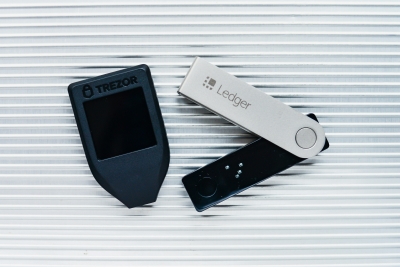
Amid growing number of hacks on Web-connected hot wallets – discussions around the need for more
hardware wallet solutions had picked pace around the world. Wad said that Binance, as of now, does not
have a hardware wallet service in the works. The exchange had launched a cold storage solution for
institutional investors in January last year.
The exchange is also not working with third-party custody solutions because they believe that “our
wallets and our multi signature systems are probably the best in the world, and so we don't work with
someone else”, Wad stated.
Discussing the current challenges surrounding on-chain transfers at Binance, Wad emphasised the urgent
need to improve transaction speeds. He explained that, at present, customers seeking faster transactions
must pay hefty gas fees, resulting in excessive costs. Wad highlighted that finding a comprehensive
solution to this issue is a key area of focus for Binance.
.embed-container { position: relative; padding-bottom: 56.25%; height: 0; overflow: hidden; max-width:
100%; } .embed-container iframe, .embed-container object, .embed-container embed { position: absolute;
top: 0; left: 0; width: 100%; height: 100%; }