Donald Trump election win boosts stocks, cryptocurrency and Trump Media
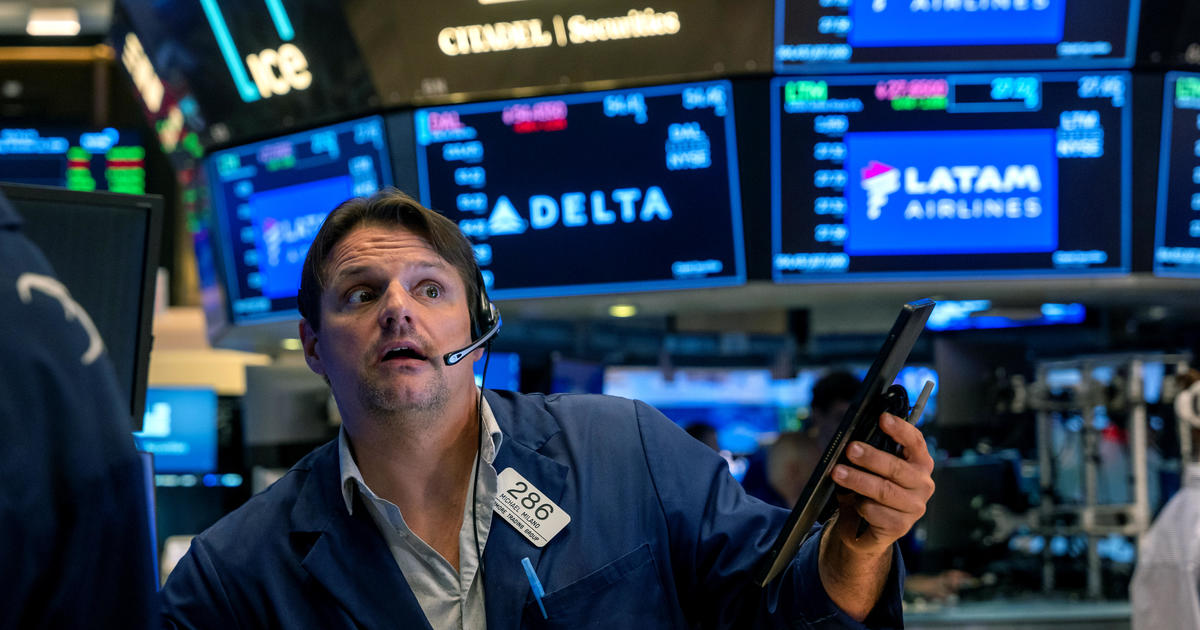
Donald Trump's projected victory at the polls is giving a fresh boost to stocks.Dow futures soared
nearly 1,400 points, or 3.2%, lifting the blue-chip market into record terrain before the start of trade
on Wednesday. S&P 500 futures were up more than 2%, while the tech-heavy Nasdaq Composite also looked
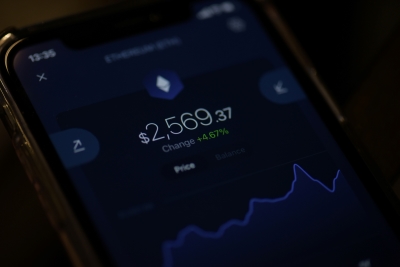
set to open strong. Cryptocurrency is also surging as investors bet that the second Trump administration
will benefit the volatile sector. Bitcoin prices rose nearly 8% to a record $75,345.00 in early trading,
before dipping to about $73,500. Trump, who was once critical of digital currencies, pledged during his
campaign against Vice President Kamala Harris to make the U.S. the "crypto capital of the planet" and to
create a bitcoin "strategic reserve.""Bitcoin is the one asset that was always going to soar if Trump
returned to the White House," said Russ Mould, investment director at AJ Bell, a British online
investment platform. "Trump has already declared his love of the digital currency and crypto traders now
have a new narrative by which to get even more excited about where the price could go," he added.The
Republican Party's electoral success on Tuesday, which included winning control of the Senate, is also
benefiting Trump's personal finances by boosting the stock price of Trump Media & Technology Group.
Shares in the company, which owns the social network Truth Social and in which Trump owns a stake valued
at more than $5 billion, jumped nearly 38% to $46.80 before markets opened. Although markets have pushed
to new highs this year, Wall Street analysts warn that some of Trump's key policy proposals could
rekindle U.S. inflation, dampen economic growth and drive up the nation's debts. The Federal Reserve
will offer its latest readout on the state of the economy on Thursday, with Wall Street analysts
expecting the central bank to lower its benchmark interest rate by a quarter of a percentage point. The
Fed in September dropped borrowing costs by 0.50 percentage points, its first cut since 2020.