Bitcoin Surges Following Trump's Presidential Win—But Where Are The Healthcare
Altcoins?
Share to Facebook
Share to Twitter
Share to Linkedin
Bitcoin Rally Amids US Presidential Election
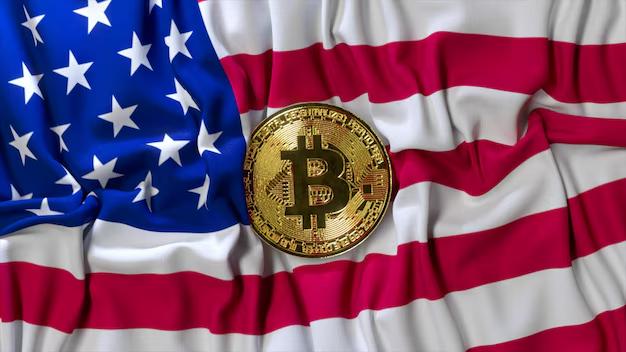
The cryptocurrency market is currently riding a wave of optimism after Donald J. Trump's recent win in
the 2024 U.S. presidential election. Bitcoin hits its new all-time high (ATH) at the $82,400 mark
(unchartered territory) amid reports that Trump favors the United States becoming a leading
cryptocurrency hub. However, with the increase in volumes of the cryptocurrency market, one question
looms large: where are the healthcare-focused altcoins?
Bitcoin's Post-Election Rally
Bitcoin's price has soared in response to Trump's win, likely driven by speculation that the incoming
administration will adopt policies that could stimulate economic growth and drive investments into
alternative assets. In the previous Trump term, there were favorable tax policies and less stringent
regulatory oversight, enabling the industry to flourish. Investors are betting on a repeat performance,
leading to a substantial influx of capital into Bitcoin.
Moreover, the anticipated launch of Bitcoin ETFs in the U.S. has fueled further excitement, potentially
opening the floodgates to institutional investors. As traditional markets face geopolitical uncertainty
and rising inflation, Bitcoin is once again being viewed as a hedge against economic instability.
The Healthcare Sector: A Dormant Opportunity for Cryptocurrency?
While Bitcoin is enjoying its moment in the spotlight, the healthcare sector seems to have been left
behind in the current crypto surge. Healthcare-focused altcoins and blockchain projects were once
heralded as game-changers for the industry, promising to revolutionize data management, patient privacy,
and supply chain logistics. Yet, they remain largely under the radar during this recent bull run and
majority if not all bull-runs.
MORE FOR YOU
Trump Says Former ICE Head Tom Homan Will Serve As His ‘Border Czar’—Here’s What He’s Said About Mass
Deportations
Trump Says He’ll Nominate Key Ally Rep. Elise Stefanik For UN Ambassador Role
Bitcoin Crosses $82,000 For The First Time—Boosted By Trump’s Win
These projects demonstrate how blockchain can be utilized to improve transparency, efficiency, and
patient engagement in the healthcare sector. While these cryptocurrencies may not yet be as widely
recognized as Bitcoin or Ethereum, they are carving out a niche by solving specific industry challenges
using decentralized technology.
So, why are these coins not riding the same wave as Bitcoin?
Regulatory Uncertainty: Healthcare is a heavily regulated industry. The integration of the underlying
blockchain technology and use of cryptocurrency into healthcare systems involves navigating complex
regulatory frameworks, making it slower to gain traction. With the new administration's focus likely on
traditional economic growth rather than healthcare reform, there may not be a strong push for adopting
decentralized solutions in this space.
Lack of Market Awareness: While Bitcoin has become a household name, many healthcare altcoins lack the
same recognition among both investors and industry leaders. Coins like MediBloc (MED), Dentacoin (DCN),
and Patientory (PTOY) made attempts to capture market attention, but they have not yet received
large-scale adoption that can compete with mainstream crypto assets.
Funding and Development Challenges: The bear market that persisted through 2022-2023 left many altcoin
projects struggling to secure funding. While some sectors, such as DeFi (decentralized finance) and
NFTs, saw a resurgence in interest, healthcare coins have not enjoyed the same level of investment. The
lack of robust financial backing has slowed development and innovation in this sector.
Potential Catalysts for a Healthcare Altcoin Comeback
Despite the slow progress, the long-term potential for blockchain in healthcare remains strong. Here are
a few developments that could catalyze a resurgence of healthcare altcoins:
Increased Focus on Data Privacy: The rise in cybersecurity threats and data breaches in healthcare could
drive interest in blockchain solutions that offer immutable, secure data storage.
Interoperability Standards: The healthcare industry continues to struggle with fragmented data systems.
Blockchain could serve as a bridge to improve interoperability, especially if the new administration
supports tech innovation in healthcare.
Decentralized Clinical Trials: As healthcare moves towards personalized medicine, the ability to run
decentralized clinical trials using blockchain technology could streamline the process and reduce costs.
Healthcare and AI: With stringent privacy and regulatory requirements such as HIPAA and GDPR, adoption
of Artificial Intelligence in healthcare needs secure decentralized data storage to train and utilize
large language models.
Here are 10 healthcare-focused altcoins gaining traction on platforms like CoinGecko and CoinMarketCap.
These altcoins are designed to disrupt traditional healthcare systems by leveraging blockchain
technology for data security, decentralized research, and patient empowerment. Here are some of the
prominent healthcare-focused coins:
Dentacoin (DCN): DCN is a blockchain-based token designed specifically for the global dental industry,
aiming to improve dental care quality and affordability by incentivizing patient engagement and
feedback. Dentacoin offers various tools, including patient feedback platforms, dental insurance powered
by smart contracts, and reward systems where patients earn DCN tokens for participating in dental care
activities like providing reviews or maintaining oral health routines.
Rejuve.AI (RJV): This token supports decentralized AI-driven medical research focused on longevity and
health optimization. It’s part of the Decentralized Science (DeSci) movement, which aims to democratize
access to scientific research. Rejuve.AI enables users to contribute their health data securely and
earn RJV tokens in return. These tokens can be used within the platform for accessing personalized
longevity insights, health optimization advice, and participation in exclusive research initiatives. The
goal is to empower individuals to extend their healthspan by leveraging AI-driven analytics while
maintaining control over their own data
Patientory (PTOY): PTOY is the native token of the PTOYMatrix health information exchange and
decentralized cloud health data storage network. Through new regulations such as Trusted Exchange
Framework and Common Agreement (TEFCA) the network is able to access and store medical records from more
24,000 hospital systems in the US. Health organizations earn PTOY by providing storage space to host
health information or for member driven use cases such as Patientory, Inc that developed the health data
passport wallet and rewards consumers with PTOY for meeting AI recommended health goals.
VitaDAO (VITA): VitaDAO focuses on funding early-stage research in the field of longevity and life
extension through decentralized decision-making by token holders. It emphasizes collaborative scientific
efforts to extend human healthspan
Solve.Care (SOLVE): The SOLVE token powers the Solve.Care ecosystem, a blockchain platform designed to
streamline healthcare administration, reduce costs, and enhance patient outcomes through smart
contracts.
XRP Healthcare (XRPH): Built on the XRP Ledger, this token aims to optimize healthcare services by
creating a global healthcare marketplace. It focuses on integrating blockchain technology into
healthcare supply chains and patient management systems
MediBloc (MED): MED token as a utility token for transactions within its ecosystem, rewarding users for
contributing data and incentivizing healthcare providers to deliver high-quality care. Built on the
Cosmos blockchain, MediBloc enables patients, doctors, and healthcare providers to securely exchange
medical information, thereby improving patient outcomes and streamlining healthcare processes. The
platform uses the MED token as a utility token for transactions within its ecosystem, rewarding users
for contributing data and incentivizing healthcare providers to deliver high-quality care
Encrypgen (DNA): DNA token is associated with EncrypGen, a blockchain-based platform that focuses on the
secure storage, sharing, and monetization of genomic data. The goal of the DNA token is to empower
individuals to control their genetic information and potentially monetize it by sharing it with
researchers or institutions who need access to genomic data for studies and innovations.
MedicalChain (MTN): MTN token is the native cryptocurrency of the Medicalchain platform, which focuses
on using blockchain technology to create secure, efficient, and transparent medical records. The
Medicalchain platform allows patients, healthcare providers, and other stakeholders to access and share
medical data securely while maintaining patient privacy.
Digihealth (DGH): Digihealth (DGH) is a cryptocurrency token associated with the Digihealth platform,
which focuses on leveraging blockchain technology to enhance the healthcare industry. Digihealth
incentivizes users through the DGH token for participating in various health activities, such as
providing feedback on treatments or engaging in healthy behaviors like exercise through programs such as
"Move to Burn." It also integrates with the Metaverse, enabling a digital healthcare space where users
can access consultations and other services.
Will Healthcare Altcoins Get Their Moment?
As Bitcoin soars, healthcare altcoins may still be lying in wait for the right moment to break out. The
challenges they face are significant, but the potential for blockchain to revolutionize healthcare is
undeniable. If regulatory clarity improves and funding begins to flow into innovative healthcare
projects, we may yet see a resurgence in healthcare-focused cryptocurrencies.
For now, the spotlight is firmly on Bitcoin. But as history has shown, the crypto market moves in
cycles. The next wave may well belong to those who can effectively leverage blockchain and
cryptocurrency to solve real-world problems in the healthcare sector.
Chrissa McFarlane
Editorial Standards
Forbes Accolades