What Trump’s Second Presidency Means For AI, Cybersecurity, And Crypto

Share to Facebook
Share to Twitter
Share to Linkedin
Trump's Vision For Technology In 2024 And Beyond Has Evolved From His First Term In Office.
Getty Images
As President-elect Donald Trump prepares to return to the White House for the second time, the
technology industry is anticipating what could be a defining era of policy transformation. Key areas of
focus include artificial intelligence, cryptocurrency, cybersecurity, and strategic competition with
China in high-tech sectors. With a legacy of bold regulatory shifts and an “America First” approach,
Trump’s administration could profoundly reshape the tech landscape, both at home and abroad.
Artificial Intelligence: Racing Toward A New Frontier
Since Trump’s last term, AI has surged forward, moving from hypothetical potential to real-world
applications that are redefining entire industries. Trump’s campaign has already hinted at plans to
review and potentially repeal the Biden administration’s sweeping AI Executive Order, which implemented
AI development guidelines. The Trump administration believes that loosening regulatory constraints could
unlock innovation—essential to compete in the escalating AI race with China.
China currently holds a significant advantage, with around 38,000 AI patents compared to the U.S.'s
6,300. This gap underscores the urgent need for a U.S.-led AI revolution. Trump’s team suggests that
strengthening the nation’s AI infrastructure and fostering an innovation-friendly environment is
paramount for national security and economic dominance. Meanwhile, the AI Safety Institute, formed
during Biden’s term, aims to balance innovation with strict regulatory safeguards. Trump’s policies will
emphasize rapid AI advancement while exploring deregulation in areas where progress is being stymied by
oversight.
Cybersecurity And National Defense: Protecting the Digital Battlefield
In an era where cyber threats loom large, cybersecurity remains not just a priority but an imperative.
Critical infrastructure—ranging from transportation to power grids—faces increasing vulnerability, with
digital attacks on the rise. During Trump’s previous term, he introduced a national cybersecurity
strategy that set a course for modernizing government IT and fortifying defenses against malicious
actors.
Trump’s administration has pledged to deploy “all tools” to protect essential assets, signaling a
continued commitment to strengthening the nation’s defenses. This approach could mean broader government
investment in cutting-edge cyber defenses, alongside collaboration with private tech firms to create
fortified, resilient systems designed to withstand future cyber threats, , particularly those
originating from hostile nation-states.
MORE FOR YOU
Bitcoin Crosses $82,000 For The First Time—Boosted By Trump’s Win
Trump Says Former ICE Head Tom Homan Will Serve As His ‘Border Czar’—Here’s What He’s Said About Mass
Deportations
Today’s NYT Mini Crossword Clues And Answers For Monday, November 11
Energy Policy: Powering A New Digital Age
As the U.S. becomes more reliant on high-tech infrastructure, energy demands are growing. AI and data
centers require vast amounts of power, which can strain current resources. Trump’s administration has
long supported U.S. energy independence, an objective aligned with his endorsement of oil
production—dubbed “liquid gold.” The revived slogan “drill, baby, drill” reflects a commitment to expand
domestic energy sources to meet this growing demand.
Additionally, nuclear energy is very likely to become part of the strategy, positioned as a sustainable
power source capable of supporting the enormous infrastructure needs of a tech-driven economy. This
multi-faceted approach aligns with Trump’s broader goal of securing American energy independence while
ensuring that U.S. technological growth is underpinned by reliable energy sources.
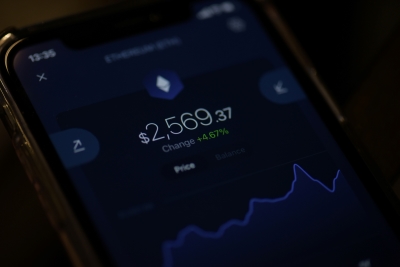
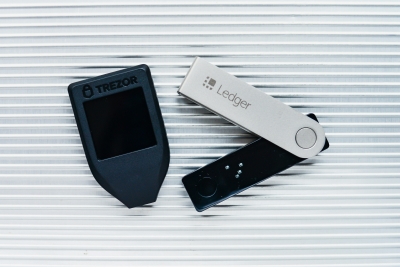
Cryptocurrency: A Changing Stance On Digital Assets
Trump’s perspective on cryptocurrency has shifted dramatically. Initially cautious, he now shows
openness to lighter regulation, a change welcomed by the burgeoning crypto industry. Stocks tied to
crypto assets, including Coinbase and MicroStrategy, surged in response to Trump’s policy position.
While the administration appears favorable toward crypto’s potential, the extent of regulatory changes
remains uncertain and will depend on policies from both the White House and Congress.
Trade, Technology, And The Semiconductor Industry: A Strategic Imperative
During Trump’s first term, tariffs on tech imports, particularly from China, were introduced to bolster
U.S. manufacturing—a policy expected to continue. Now, Trump’s administration appears poised to further
support domestic semiconductor production, a sector crucial for AI, 5G, and advanced technologies.
Maintaining U.S. dominance in chip manufacturing is essential to sustaining technological and economic
leadership. Export restrictions on semiconductor technology to China may expand, a move that could
impact global supply chains but align with broader objectives of preserving the U.S.’s strategic edge.
Immigration And Talent Acquisition
The tech industry’s dependence on international talent, particularly through H-1B visa programs, may
face renewed scrutiny under stricter immigration policies. Trump’s previous immigration approach focused
on enhancing U.S. security and prioritizing domestic employment, which could limit access to skilled
workers in areas like AI and cybersecurity. This shift may drive companies to invest more in local
talent development, training, and hiring initiatives—potentially even reversing some of the significant
tech layoffs experienced over the past two years.
A Renewed Focus On National Interests
Throughout his political career, Trump has championed an “America First” approach, a principle that is
expected to guide his second term’s tech policies. While this stance may create opportunities for
companies aligned with national priorities, it could also pose challenges for others. Anticipated shifts
in policies around AI, cryptocurrency, and cybersecurity will require tech companies to remain agile,
adapting to evolving standards within a potentially fluid regulatory environment that may favor
innovation over strict regulation.
Trump’s return to office signals a new chapter in U.S. technology policy, with a stated goal of
reinforcing America’s global tech leadership. The influence of prominent tech leaders like Elon Musk and
Marc Andreessen is also anticipated, as their views on innovation and national security could shape the
administration's approach to technology policy. For the tech industry, this could usher in a period of
rapid change and growth, with U.S.-led innovation and more flexible regulatory approaches setting a new
standard on the global stage.
Follow me on Twitter or LinkedIn. Check out my website.
Emil Sayegh
Editorial Standards
Forbes Accolades