Share to Facebook
Share to Twitter
Share to Linkedin
Stablecoins are shaking up payments and fintech as Visa, Stripe, and new players like
YellowCard drive adoption worldwide. But without regulatory clarity, the U.S. risks
falling behind. Are stablecoins the future—or just another trend?
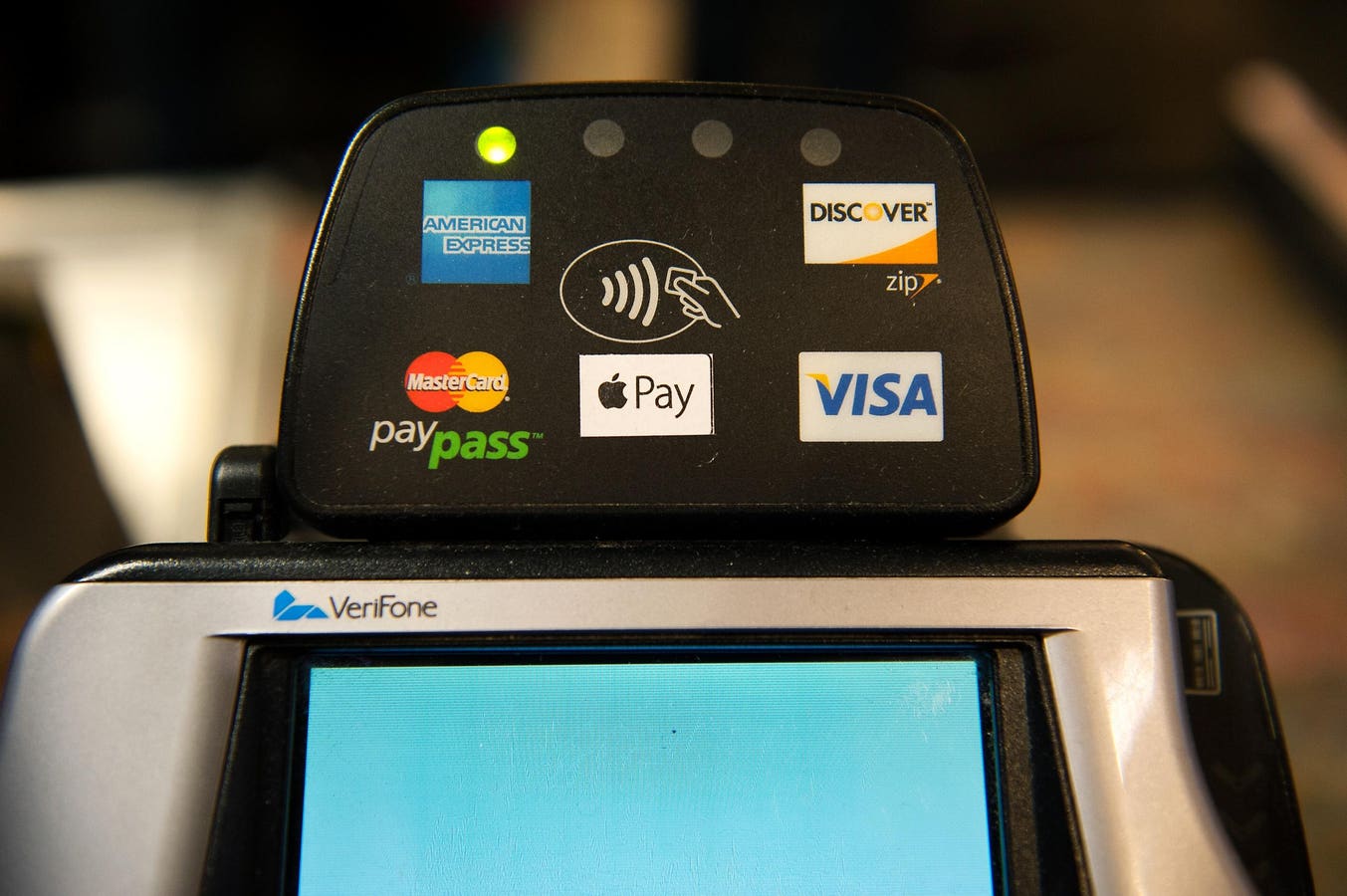
tap-to-pay integrating payment systems (Photo by Bryan Thomas/Getty Images)
Getty Images
Stablecoins Skyrocket in Use, Challenging Traditional Finance and Attracting New Players
In the rapidly evolving payments landscape, stablecoins have emerged as a force to be
reckoned with. USDT, the leading stablecoin issuer, has over $120 billion in market cap.
The meteoric rise in stablecoin usage has attracted attention in emerging markets and
traditional finance institutions, which are now grappling with the promise and
challenges that stablecoins present.
As major players like Visa and Stripe signal their embrace of these digital assets, new
companies like YellowCard are emerging to challenge traditional financial services.
However, like most stories in the digital asset realm, the rise of stablecoins is not
without controversy. Looming questions remain about the regulatory environment
surrounding them.
MORE FOR YOU
Apple Unveils ‘Groundbreaking’ iPhone Update—Samsung Has A Serious New Problem
Apple iPhone SE Leak Reveals New Release Details
UFC 308 Results: Bonuses And 5 Biggest Takeaways From Abu Dhabi
The Global Rise of Stablecoins
In countries where local currencies are subject to inflation or instability, stablecoins
offer an appealing alternative.
Due to high fees and limited operational time, traditional banks like Wells Fargo and
international payments companies like Western Union are beginning to see competition
from stablecoins. This change is occurring rapidly in regions with unstable currencies
and high remittance costs.
Last month, Castle Island Ventures published a report highlighting the rapid adoption of
stablecoins in emerging markets for payments, currency substitution, and yield
opportunities in decentralized finance.
"In emerging markets, adoption of stablecoins for payments, currency substitution, and
access to high-quality forms of yield is accelerating," notes Castle Island.
For people in these regions, stablecoins provide stability, liquidity, and access to
global financial services that traditional banks have struggled to offer.
The Disruption of Traditional Finance
YellowCard, a rapidly growing fintech company focused on the African market, is poised
to reshape traditional finance by providing easy access to stablecoins and other digital
assets. Backed by Coinbase and Jack Dorsey’s Cash App, YellowCard states that they are
rapidly securing their place in the industry by implementing "Secure, liquid, and
cost-effective access to Stablecoins…directly via local currency payments."
Through their partnership with Fireblocks, YellowCard aims to drive down the cost of
cross-border payments, a market that sees $100 billion worth of remittances flow into
Africa annually.
"Much like the rest of the world, Africa has seen a transformative shift from
traditional payment methods to alternative payments driven by new technologies," said
Ran Goldi, SVP of Payments and Network at Fireblocks.
London-based BVNK is also emerging as a strong player in the digital transformation of
traditional finance.
This week, BVNK announced its partnership with Circle, the company behind the USDC
stablecoin. This partnership positions it at the forefront of the rapidly growing demand
for global stablecoin payments. This collaboration aims to provide businesses with a
compliant and cost-effective alternative to traditional payment methods.
The Race to Integrate Digital and Traditional Payments
The growing adoption of stablecoins also encourages innovation in traditional financial
networks, like the Society for Worldwide Interbank Financial Telecommunication, a global
money transfer cornerstone.
However, SWIFT is taking a different approach to emerging tech. A spokesperson for the
organization clarified opaque comments on digital assets by stating, “SWIFT is heavily
engaged in innovations around CBDCs and progressing their interoperability.” A marked
difference from integrating stablecoins.
But not all companies are looking past stablecoins.
In a significant announcement this month, Visa announced its plans to expand its
presence in the stablecoin market by launching its Visa Tokenized Asset Platform in
2025.
VTAP allows banks to experiment with tokenized assets in a sandbox environment. The
platform aims to provide easy integration for banks to create and transfer fiat-backed
tokens, streamline operations with smart contracts, and connect across various
blockchain networks for wider compatibility.
Visa's growing involvement in stablecoins reflects the broader trend of financial giants
experimenting with digital assets to keep pace with the fast-moving crypto world.
The Future of Stablecoins and Traditional Finance
CBDCs, central bank digital currencies issued by the government, are a lesser-known and
far less understood technology that often becomes a politicized talking point.
As companies like Visa, YellowCard, BVNK and SWIFT navigate this rapidly changing
landscape, the financial world is on the cusp of a significant transformation, with
stablecoins playing a central role.
Senator Bill Haggerty (R-TN) proposed a regulatory framework on October 10th, 2024, to
clarify stablecoin oversight in the U.S.
His plan allows stablecoin issuers with assets under $10 billion to stay under state
regulation, while larger issuers could apply to remain under state oversight. The
Federal Reserve would oversee stablecoin issuers that are banks, and the Office of the
Comptroller of the Currency would regulate qualified nonbank issuers.
Building on an earlier stablecoin bill, Hagerty’s proposal aims to boost innovation,
protect consumers, and increase demand for U.S. Treasuries to help address the national
deficit.
While stablecoins present a compelling alternative to traditional payments platforms,
especially with their low fees and ease of use in cross-border payments, their future
hinges on resolving key regulatory and technological challenges.
Follow me on Twitter or LinkedIn. Check out some of my other work here.
Becca Bratcher
Editorial Standards
Forbes Accolades
2024-10-27 12:00:00
read
more