Overall, security in cryptocurrencies can be a problem for investors, as well as users,
since these assets are naturally susceptible to various forms of threats. These include phishing
attacks, hacks, and scams that eventually result in tremendous losses. Users should always keep watch
and practice their best habits, such as using strong unique passwords, enabling two-factor
authentication, and keeping their software updated. A more significant element of protection pertains to
the significance of private keys and ensuring one keeps them safe; this will protect a person's crypto
assets.
The cryptocurrency area evolves with regard to the safety measures as well as technologies
for securing
digital resources. These innovations include multi-signature wallets, decentralized exchanges, and
security audits, which form a critical backbone in enhancing security factors of blockchain projects.
The institution of regulatory frameworks is believed to establish stronger protection of investors and
lower the risks of investment in cryptocurrencies. People can be better equipped to travel through the
world of cryptocurrencies with more safety and confidence by learning about the risks and best security
practices that they should take.
Understanding Cryptocurrency Security: An Overview
Cryptocurrency security is a critical aspect of the digital asset landscape, encompassing
various
strategies and technologies to protect users and their investments. With the rise of cryptocurrencies,
the decentralized nature of blockchain technology offers both opportunities and challenges. Security in
this realm involves safeguarding private keys, securing wallets, and protecting against threats such as
hacking, phishing, and scams. Understanding the fundamental principles of cryptocurrency security is
essential for anyone engaging in the crypto space, as it helps users navigate potential risks
effectively.
At the core of cryptocurrency security lies the principle of decentralization, which
enhances the
resilience of blockchain networks. However, this decentralization also means that individuals are
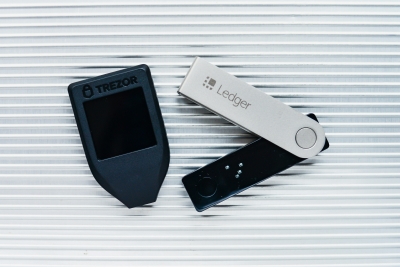
responsible for their own security. Implementing best practices such as using hardware wallets, enabling
two-factor authentication, and conducting thorough research before engaging in transactions can
significantly mitigate risks. As the cryptocurrency ecosystem continues to evolve, staying informed
about security trends and emerging technologies is vital for safeguarding digital assets and ensuring a
secure experience in the crypto world.
Common Security Threats in Cryptocurrency: How to Protect Yourself
The cryptocurrency landscape is rife with various security threats that can jeopardize
users' funds and
personal information. Common threats include phishing attacks, where malicious actors trick users into
revealing their private keys or login credentials through fraudulent emails or websites. Additionally,
hacking incidents targeting exchanges and wallets have resulted in significant financial losses for many
investors. Malware is another major concern, as it can compromise devices and access sensitive
information without the user’s knowledge. Understanding these threats is crucial for anyone engaging in
cryptocurrency transactions.
To protect yourself from these security threats, it is essential to adopt best practices and
implement
robust security measures. First, always verify the authenticity of websites and emails before entering
sensitive information. Utilizing hardware wallets is highly recommended, as they store private keys
offline, making them less susceptible to hacking attempts. Enabling two-factor authentication (2FA) adds
an extra layer of security by requiring a second form of verification before accessing your accounts.
Regularly updating software and staying informed about the latest security developments can also help
safeguard your crypto investments against potential threats.
Best Practices for Securing Your Crypto Wallet
Securing your crypto wallet is paramount to protecting your digital assets from theft and
unauthorized
access. One of the most effective practices is to use hardware wallets, which store your private keys
offline, significantly reducing the risk of online attacks. Additionally, always ensure that your wallet
software is up to date, as updates often include crucial security enhancements. For those using software
wallets, enable two-factor authentication (2FA) wherever possible to add an extra layer of security.
Avoid sharing your wallet information publicly, as this can make you a target for phishing attacks.
It's also essential to create strong, unique passwords for your wallets and any associated
accounts.
Consider using a password manager to keep track of complex passwords. Regularly backing up your wallet
and securely storing recovery phrases is vital in case of hardware failure or loss. Lastly, be cautious
about connecting your wallet to third-party services or applications, and always research their
credibility before proceeding. By adhering to these best practices, you can significantly enhance the
security of your crypto wallet and protect your investments.
How to Recognize and Avoid Cryptocurrency Scams
The rise of cryptocurrency has unfortunately attracted a plethora of scams targeting
unsuspecting
investors. One of the most common tactics used by scammers is the promise of high returns with little
risk. If an investment opportunity sounds too good to be true, it probably is. Additionally, be wary of
unsolicited messages from individuals or companies offering investment advice or opportunities, as these
are often phishing attempts designed to steal personal information or funds. Always verify the
legitimacy of a project or platform by researching its background, checking reviews, and consulting
trusted sources before investing.
Another crucial step in avoiding scams is to secure your digital assets properly. Use
reputable wallets
and exchanges, and never share your private keys or recovery phrases with anyone. Look for red flags
such as pressure tactics, limited time offers, or vague explanations about how the investment works.
Always take your time to understand the investment fully and avoid rushing into decisions. By staying
vigilant and conducting thorough research, you can significantly reduce your risk of falling victim to
cryptocurrency scams.