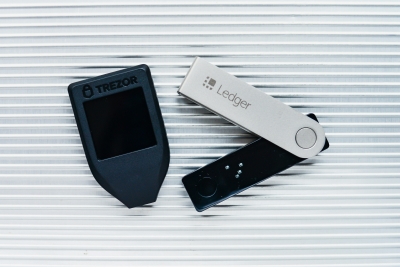
Crypto Wallets
A crypto wallet is a digital wallet that will be used to store, manage, and conduct all
kinds of
activities with cryptocurrency. Unlike a 'traditional wallet,' which houses physical cash, a crypto
wallet does not house any of those. It houses only private and public keys used for accessing and
managing the cryptocurrencies on the blockchain.
How crypto wallet works ?
A crypto wallet functions as a digital interface that allows users to interact with their
cryptocurrencies. Here’s a breakdown of how it works:
-
Key Generation :
When a user creates a crypto wallet, the wallet generates a pair of cryptographic keys: a
public key and a private key.
-
Public Key:
This is like an email address, it can be shared with others so they can send you
cryptocurrency.
-
Private Key:
This is like a password, it must be kept secret. It allows the user to access and
manage their cryptocurrencies.
-
Storing Keys :
The wallet does not store the actual cryptocurrencies but securely holds the private and
public keys. The public key allows others to send funds to the wallet, while the private key
is used to authorize transactions.
-
Transaction Process:
-
Sending Crypto:
-
The user initiates a transaction by specifying the amount of cryptocurrency
to
send
and the recipient’s public address.
-
The wallet uses the private key to sign the transaction, creating a
cryptographic
signature that proves the transaction's authenticity.
-
The signed transaction is then broadcast to the network.
-
Receiving Crypto:
-
The user shares their public key (or wallet address) with the sender.
-
The sender uses this address to send cryptocurrency, which is then recorded
on
the blockchain.
-
Blockchain Interaction :
-
The wallet interacts with the blockchain to reflect the user’s balance and
transaction history
-
Each time a transaction is made, it gets added to the blockchain, ensuring
transparency and security.
-
Transaction Confirmation:
Once a transaction is broadcasted, it needs to be confirmed by miners or validators in the
network. This process involves adding the transaction to a block, which is then added to the
blockchain. Confirmation times can vary based on network traffic and the cryptocurrency
being used.
-
User Interface:
Wallets provide a user-friendly interface for users to view their balances, transaction
history, and initiate new transactions. They may also offer additional features like
exchange rates, price alerts, and analytics.
In essence, a crypto wallet operates as a bridge between the user and the blockchain,
enabling the
secure management of cryptocurrency assets through cryptographic keys and a user-friendly interface.
Users must maintain the confidentiality of their private keys to ensure the security of their funds.
Types of crypto wallets
Crypto wallets can be categorized into several types based on their functionality, security
features, and accessibility. Here are the main types of crypto wallets:
-
Hot Wallets :
Hot wallets are connected to the internet and are generally more convenient for regular
transactions. They include:
-
Web Wallets:
-
Mobile Wallets:
-
Desktop Wallets:
-
Software applications installed on a personal computer.
-
Offer greater security than web wallets, but they are still connected to the
internet and can be susceptible to malware.
-
Cold Wallets :
Cold wallets are offline storage solutions that provide enhanced security for long-term asset
storage. They include:
-
Hardware Wallets:
-
Paper Wallets:
-
Physical printouts of the public and private keys, usually generated offline.
-
Extremely secure from online attacks but can be easily lost, damaged, or
stolen if not handled properly.
-
Custodial Wallets :
-
These wallets are managed by third-party services or exchanges that hold and manage
the private keys on behalf of users.
-
They are user-friendly and suitable for beginners but come with risks, such as the
potential for hacks or the service provider going offline.
-
Non-Custodial Wallets
-
Non-custodial wallets give users complete control over their private keys, meaning
they are responsible for their security.
-
EThis type includes most hot wallets (web, mobile, and desktop) and hardware
wallets. They offer greater security but require users to be more knowledgeable
about wallet management.
-
Multi-Signature Wallets
-
These wallets require multiple private keys to authorize a transaction, providing an
additional layer of security.
-
They are often used by organizations or groups to ensure that multiple stakeholders
approve transactions.
-
Brain Wallets
-
A brain wallet is a type of wallet where the private key is generated from a
passphrase that the user remembers.
-
While they eliminate the risk of losing physical devices, they are susceptible to
being hacked if the passphrase is weak.
Choosing the right type of crypto wallet depends on individual needs, such as frequency
of transactions, security preferences, and ease of access. Hot wallets offer convenience for active
traders, while cold wallets provide enhanced security for long-term storage. Understanding the
strengths and weaknesses of each type can help users make informed decisions about managing their
cryptocurrency assets.