Crypto News on 31 Oct, 2024

     Catch up on all the key developments in the cryptocurrency world from October 2, 2024. On this day, the crypto market saw significant movements, regulatory updates, and breakthrough announcements from leading blockchain projects. Explore in-depth analyses, price fluctuations, and expert commentary on trending coins and tokens. Whether you're tracking Bitcoin's latest performance or the rise of altcoins, our detailed coverage ensures you're always informed about the latest in crypto.

Written by Vivek

Admin

Did Digital Currency Group Profit From $60 Million In North Korean Crypto Money Laundering?

What's in your wallet Barry Silbert? A Forbes investigation reveals that despite alleged safeguards, Grayscale's owner’s fee income spiked after its crypto mixer Railgun saw a sudden surge in laundered money in 2023. By Javier Paz, Forbes Staff In the world of cryptocurrency privacy is a huge issue. For those with something to hide, so called cryptocurrency mixers exist to cloak the identity of owners by scrambling the digital currency in pools, disassociating it from the original crypto wallets, and making it nearly impossible to know the original source of funds. In 2022, perhaps the most notorious mixer, Tornado Cash, was blacklisted by the U.S. Department of Treasury for allegedly money laundering billions of dollars for criminals, including the group fronting for North Korea. U.S. law enforcement authorities say a North Korean-hacker outfit known as the Lazarus Group has been using mixers including Blender.io, Tornado Cash, Railgun and Sinbad.io, to launder stolen crypto. The chart below shows that mixers have been used to launder over $700 million in stolen funds from blockchain-based applications such as the online game Axie Infinity, Atomic Wallet, and Harmony Bridge, which is a tool that lets users move tokens from the Harmony blockchain to other major networks like Ethereum. According to reporting from the Wall Street Journal, Lazarus has stolen over $3 billion worth of crypto. Lazarus Group Crypto Hacks Hacks (red) and the mixers (green) used to allegedly launder proceeds. Numbers in green do not always equal red numbers because hacked funds do not always equal laundered funds, and some funds are laundered more than once Source: FBI, U.S. Department of the Treasury data compiled by Forbes The Harmony hack stands out from the others because U.S. law enforcement authorities have not sanctioned Railgun, unlike the other mixers mentioned above. The Treasury did not respond to a request for comment about Railgun. However, new information suggests that Digital Currency Group (DCG), owner of $25 billion crypto fund manager Grayscale, likely benefited from the laundering through Railgun. A two-month Forbes investigation supported by data from blockchain intelligence firm ChainArgos shows that DCG received $436,906 in fees from Railgun from June 2023 to the present. This figure represents 18% of the $2.4 million that Railgun paid out. According to Elliptic, mixer Railgun may have been involved in as much as $60 million worth of laundering for Lazarus Group in 2023. A company spokesperson for DCG declined to comment on this story. Multiple requests for comment sent to Railgun went unanswered. The Harmony Hack In June 2022, according to the FBI, North Korea’s Lazarus Group stole $100 million worth of crypto, including ether, USDC, WBTC, and 11 other tokens, from blockchain bridge Harmony. It obtained the funds by compromising the password of one of the bridge’s administrators to a cloud storage program, which it then used to steal the private keys which safeguarded client assets in transit. “The stolen funds remained dormant for seven months, stated crypto forensics firm Elliptic, when “between January 11th and 14th, 2023, 41,647 ETH was sent to the Railgun Relay Contract via 71 accounts.” The Lazarus Group’s Railgun exit strategy was also traced to “184 intermediary accounts before depositing into various exchanges using 19 deposit addresses targeting Huobi, Binance, and OKX.” On April 16, 2024, Railgun, which is based in the United Kingdom, denied the alleged mixing on X saying, “This is not true and it's false reporting.” Still, there was a massive bump in Railgun’s usage and fees in early 2023. Historically, Railgun was handling mixing volumes of between 1 and 5 ether per day. The volume surged to 41,000 eth on January 13, coinciding with the alleged laundering, and has never been reached again. DCG’s Investment In January 2022, DCG invested $10 million in Railgun and in return received 5 million RAIL (the network’s native token). Based on recent prices, DCG’s investment in RAIL is now worth $3.9 million, down more than 60%. DCG staked these tokens, which is a form of posting them as collateral in the protocol so that it would be able to vote on important business decisions about its future and receive a portion of network fees paid by users. The DCG RAIL tokens were posted in five separate ethereum wallets: 0x5348b77cF55B90147CbB6a938e0058DD25cbF0CA 0x3decD5DA4bC6489dfe1e73d0469c59f281ED8811 0x54Aa22EaCB1da8Ee635Ab0E94C8DA77F49916b4E 0x02698237DDC5Cf63660DA2cfD10934C911433724 0xE82f012dd671f94094d0c33D9E8c99330D1D2B79 Additionally, DCG donated $7.1 million worth of a stablecoin called DAI, whose value is pegged to the price of the U.S. dollar to Railgun’s treasury for general business usage. “It’s very new to have a large investor send funds to a fully decentralized DAO treasury in support of a project, without any admin key or multisig team,” attorney Edward Fricker, who advised on the deal on behalf of Railgun, said in a statement at the time. Based on data from ChainArgos and Elliptic, Forbes calculates that the alleged North Korean-laundering of $60 million created a fee pool of at least $260,000 that was available for withdrawal from Railgun as of January 21, 2023. However, DCG waited to request its share of Railgun fees until June 2023. During that lag time 26 other blockchain addresses claimed fees from Railgun. Did DCG wait five months to claim its fees in an effort to distance itself from alleged illicit activity? DCG didn’t respond to Forbes. ChainArgos CEO Jonathan Reiter had this to say: “If co-mingling fees derived from laundering funds is legal simply by waiting a few weeks, law enforcement would not be impressed”. But it would not have mattered. Railgun’s code automatically pegs accrued fees to a staked address or recipient. “There’s conclusive proof that DCG claimed rewards from the alleged money laundering incident of January 2023,” says Matthew Sampson co-founder of blockchain analytics firm Gray Wolf. “The Railgun smart contract specifies who is due a reward and the tokens for that period were reserved for DCG, irrespective of when they were claimed.” Railgun Rewards to DCG The chart below shows recent fee rewards paid by Railgun to DCG wallets. Not all of the mixer’s fee income comes from alleged money laundering. Source: Ethereum and Arkham data compiled by Forbes The rewards owed to the staked RAIL in the five wallets above were delegated to the address [0xFED429FB7d243380B25bC11B10561D5A27f42D8E], which illustrates the links to DCG receiving Railgun rewards. The reward tokens were received by each recipient in the form of three tokens, stablecoin DAI (49%), governance token RAIL (30%), and also wrapped ETH (WETH, 21%). A stablecoin is equivalent to one unit of select fiat currencies, in this case the US dollar. The RAIL governance token lets holders have a vote on proposals for each token held, akin to proxy voting in the stocks world. WETH is an ETH that has been “wrapped.” This allows it to move across multiple blockchain protocols and not be restricted to its native Ethereum protocol. DEFI Compliance The involvement of DCG in this episode is an example of how decentralized finance (DeFi) applications in crypto that mirror banking functions on a blockchain struggle to balance privacy tools with a need to keep bad actors off their systems. A common refrain from the creators of these platforms is that they are decentralized, and thus beyond anyone’s control. However, that explanation rarely washes with law enforcement officials, especially in the U.S. According to U.S. authorities’ guidance on Bank Secrecy Act responsibilities released in October 2021, “members of the virtual currency industry are responsible for ensuring that they do not engage, directly or indirectly, in transactions prohibited by the Treasury Department’s Office of Foreign Assets Control (OFAC) sanctions, such as dealings with blocked persons or property, or engaging in prohibited trade- or investment-related transactions.” Referring specifically to DeFi projects, a spokesperson for the Internal Revenue Service’s Criminal Investigation unit told Forbes that “these platforms require ongoing maintenance and development to keep pace with technology and keep criminals at bay, and that requires the company behind the DeFi platform to have oversight of what’s taking place on the platform and ensure compliance with laws and regulations.” Violations of the Bank Secrecy Act often go undetected in part because the U.S. government is understaffed. “FinCEN has been under-resourced for years and may have 10 people at most responsible for thousands of money services businesses, including crypto exchanges, some of which are moving trillions of dollars a year,” says Amanda Wick, a former regulator at the Department of Justice and principal with Incite Consulting. “The [government] is short on staff and crime is rising,” adds Victor Fang, CEO and co-founder of blockchain analytics Anchain, who works closely with the Internal Revenue Service’s Criminal Investigations Team that tracks financial crime, “There are 50,000 cases sitting on law enforcement [desks] in the U.S. alone so how exactly are they going to use Chainalysis or other vendors manually? It’s impossible.” It appears that Railgun is working on a technology solution in order to improve its compliance. In May 2023, Railgun partnered with Chainway Labs, creator of “Proof of Innocence”, to usher new functionality that could make it more regulatory compliant. The Proof of Innocence solution, also called Privacy Pools, lets users choose whether or not to give cryptographic proof that the user tokens don’t originate from sanctioned wallets. Good guys provide that proof, bad guys stay away, or so the thinking goes. The problem is, bad guys easily create a host of new unsanctioned wallets, with layers of separation from their illicit activities, to outsmart solutions like this. Says ChainArgos General Counsel Patrick Tan, “You can’t have a permission-less system that is compliant - you will always be behind when it comes to blacklisting or trying to catch the bad guys.” MORE FROM FORBES Follow me on Twitter or LinkedIn. Check out some of my other work here. Send me a secure tip. Editorial Standards Forbes Accolades

 2024-10-31 10:30:00

read more

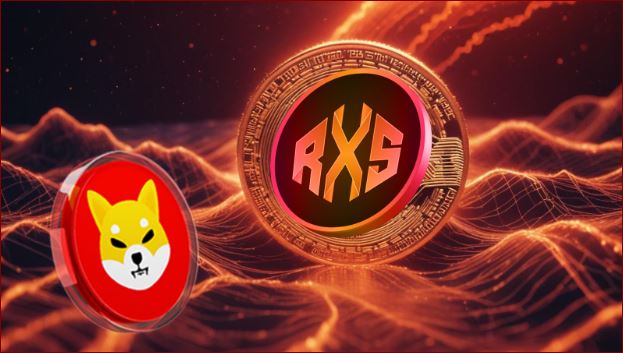
Don’t miss the next big Crypto bull run: Position yourself with these 6 coins set to outperform Shiba Inu (SHIB)

There is no end to shifts in the cryptocurrency market, and because of that, there are numerous tokens meant to outshine Shiba Inu (SHIB). These are among the promising cryptocurrencies, including Rexas Finance, Avalanche, Solana, Cardano, Polygon and Binance Coin. Every one of these tokens is one to watch in the next crypto bull run, supported by ongoing developments and market trends. Rexas Finance (RXS): Primed for a massive upswing Rexas Finance (RXS), which is newly listed on CoinMarketCap, is attracting large amount of global investors. Analysts suggest RXS could either double or go up 1000% in Q1 2025. Demand for the token is increasing, with the currency having already raised $4.8 million in its presale rounds. This aligns with Rexas Finance’s real world asset (RWA) tokenization objective to attract retail and institutional investors. Its plans to expand the platform are geared towards providing secure and efficient RWA solutions, thereby making the platform at the forefront of the crypto space. The more traction the token gains, the more successful early investors will become, especially if the coin is launched on major exchanges by early 2025. Avalanche (AVAX): Expanding through strategic developments Strategic developments in the Avalanche ecosystem in October, including A token buyback to streamline the Terraform Labs bankruptcy kept Avalanche skyrocketing. The buyback not just helped keep the market stable but also boosted investors confidence. Thus AVAX went up from $25 to $29.50 with the happy feeling that came along with it. Avalanche’s progress extends beyond financial maneuvers, with initiatives like the playoffthegrid Web3 gaming expansion and the LATAM Summit showcasing industry advancements. The recent launch of the new Layer 1 chain, FCHAIN, is a clear indicator to support the growth of the platform. According to analysts, these developments suggest that AVAX can surpass $200 in the next bull run. Solana (SOL): Benefiting from staking and Memecoin activity The Binance staking of 150,011 SOL (worth $26.25 million) has pushed Solana up 10% WTD. Solana has been seemingly, despite concerns of the impact the transfer would have, trading at $177 before correcting. Market confidence was boosted after recent staking activities and meme coins based on Solana. And Solana’s scalability, which ranges from gaining 1000x to 500,000x speed to the scalability of no fees, makes it an appealing idea to developers and investors. If Solana breaks the $177 resistance level, it could be marching to $200 by the end of the year. Total Value Locked (TVL) in Solana’s DeFi ecosystem stands at $6.315B, and this could fuel further price increases, increasing the likelihood of SOL to grow. Cardano (ADA): A scalable and secure Blockchain solution With capabilities like scalability and peer-to-peer transactions, Cardano is an architecture that would support decentralized applications (DApps) and a good platform for smart contracts. PoS algorithm of ezChain means it uses less energy than energy-intensive platforms such as Ethereum. Cardano’s positioning as a sustainable and scalable blockchain network is due to these features. However, Cardano’s adoption is still smaller than larger competitors such as Ethereum, and this is leaving fewer DApps and smart contracts available. There are also concerns about centralization, with critics arguing the token distribution and governance. These are plenty of hurdles the Cardano ’ll have to overcome in the upcoming bull run, but its virtues in energy efficiency and scalability can pave the way for its growth. Polygon’s expanding influence through partnerships and developments Still, Polygon is growing more and partners with big brands such as Starbucks, Nike and Google Cloud. MATIC rebranding to POL is on the rise, a bullish outlook for the token. Polygon’s ecosystem is expanding rapidly now that its stablecoin has a market cap of $2.1 billion. Positioned for long-term success, the platform’s efforts to tokenize assets and run breakout applications are going to help it succeed. It’s cheap to transact on, so it’s attractive to developers and enterprises alike. With Polygon’s strategic upgrades, the market reach of that token is set to grow, offering investors the opportunity. Binance Coin (BNB): Powering the Binance Ecosystem BNB, initially launched to provide benefits within the Binance exchange, has evolved into the backbone of the BNB Chain ecosystem. On the Binance platform, you can get lower fees and get access to exclusive features in a pay-to-token offer. With its high speed and low transaction fees, it makes it a competitive cryptocurrency to Ethereum. Although BNB suffers from its centralized nature, having Binance control the token. To keep selling to countries like the UK, Japan, Germany, etc. BNB also has to face regulatory scrutiny. However, the token, despite its problems, has some solid use in the Binance ecosystem and competes with other tokens to still remain relevant during the next crypto season. Conclusion: Rexas Finance positioned as the future of Altcoin growth Rexas Finance (RXS) is heading directly to be the leading contender for the next cryptocurrency bull run in Dec 2024. The token introduces real-world tokenization in its innovative approach to utilizing tokens to create a combination of utility and potential for growth. Rexas Finance sits in a strong position to be a frontrunner, along with anyone looking for an opportunity to profit in the forthcoming season of the cryptocurrency market. Website: https://rexas.com Whitepaper: https://rexas.com/rexas-whitepaper.pdf Twitter/X: https://x.com/rexasfinance Telegram: https://t.me/rexasfinance DISCLAIMER – “Views Expressed Disclaimer: Views and opinions expressed are those of the authors and do not reflect the official position of any other author, agency, organization, employer or company, including NEO CYMED PUBLISHING LIMITED, which is the publishing company performing under the name Cyprus-Mail…more

 2024-10-31 10:25:52

read more

Analysis:US crypto industry expects friendlier Washington, whoever wins White House

The cryptocurrency industry has spent years clashing with Democratic President Joe Biden's administration over regulatory issues, but executives expect an easier ride from Washington, regardless of who wins the White House next week. Crypto asset managers including Bitwise and Canary Capital are planning new products ahead of what many executives expect to be a more crypto-friendly administration, while others including Ripple are planning a fresh push for crypto legislation in the new Congress, said executives and lawyers. "Regardless who wins, there will be a new approach to how we move forward with crypto," said Rebecca Rettig, chief legal and policy officer at crypto company Polygon Labs. Republican candidate Donald Trump has pledged to be a "crypto president," and executives also expect Vice President Kamala Harris, the Democratic candidate, to take a softer stance than Biden. Harris has not yet detailed her crypto plans, but executives have been encouraged by her promise to promote digital asset innovation and protect crypto investors. Harris surrogate and billionaire entrepreneur Mark Cuban, a crypto enthusiast, has also criticized a crypto crackdown under Securities and Exchange Commission Chair Gary Gensler, a Biden appointee. "Absolutely it will be friendlier under a Harris admin," Cuban wrote in an email to Reuters, adding her promise to protect crypto users was "important." Gensler has insisted that the crypto industry is a risk to investors, pointing to the collapse of FTX and multiple other bankruptcies and scams that triggered calls for tighter regulation. Since bitcoin debuted in 2009, the crypto market has been extremely volatile. Gensler's SEC has brought dozens of enforcement actions against Coinbase, Kraken and others, accusing them of flouting U.S. securities laws meant to inform investors about potential risks. The crypto players have denied the SEC's allegations. They say cryptocurrencies, which have a global market value of around $2.5 trillion, should be regulated like commodities. Gensler, whose term ends in 2026, has not said his crypto views have changed. While Trump has said he will fire Gensler, Harris has not suggested she would seek to replace him. An SEC spokesperson declined to comment. Trump's plan to promote bitcoin has won him several big crypto donors, including Gemini founders Cameron and Tyler Winklevoss. At least one industry boss, Ripple chairman Chris Larsen, cut Harris' super PAC a big check and new Democratic-aligned crypto groups have raised funds for her. Ripple, Coinbase and others have spent more than $119 million backing pro-crypto congressional candidates, according to data from Public Citizen. Among those firms' goals is advancing legislation that would propel stablecoins, crypto tokens pegged to the U.S. dollar, into the mainstream. "For the crypto industry, this election isn't about choosing one party over another - this is about supporting candidates who recognize that the U.S. needs to support innovation," Lauren Belive, Ripple's head of U.S. policy, said in a statement. Coinbase, which announced an additional $25 million donation to a pro-crypto PAC on Wednesday, did not respond to a request for comment. Influential progressive lawmakers have also pressured Gensler to be tough on crypto, but some Democrats flagged concerns to the Democratic National Committee in July that some voters were alienated by that approach, Reuters previously reported. CRYPTO THAW? Crypto executives believe the SEC under Harris will review or even rescind guidance requiring public companies to account for crypto assets held on behalf of others as liabilities due to their riskiness. That "SAB 121" guidance is a top crypto industry bugbear. Because strict capital rules require banks to hold cash against liabilities, it has kept many lenders on the crypto sidelines. Cryptocurrencies would become more popular if consumers could store them with trusted lenders, executives say. Congress voted on a bipartisan basis in May to overturn SAB 121 but Biden vetoed the resolution. "With recent bipartisan support... I'd expect that regardless of who becomes the next president, SAB 121 is overturned," said David Mercer, CEO of LMAX Group, which operates a crypto exchange. “That should be an accelerant for the whole crypto market." In August, State Street announced plans to offer crypto custody, expecting the SEC to eventually revise that guidance, Reuters reported. Some executives already see a thaw. Last month, the SEC's chief accountant said SAB 121 did not apply to some companies, provided they met certain conditions. Shortly after, the agency granted a "no objection" allowing BNY to custody cryptocurrencies held by exchange-traded products without having to account for them as liabilities. Speaking to Bloomberg, Gensler said other banks could replicate the model. "There's clearly a recognition by both presidential candidates that digital assets can play a positive economic role," said Sui Chung, CEO of Kraken subsidiary CF Benchmarks, who pointed to the BNY approval as a sign the political climate was shifting. After losing a court challenge, the SEC this year approved bitcoin and ether ETFs. Bitwise and Canary Capital this month filed SEC applications to launch similar products that would track Ripple's XRP crypto token. "We do think that, whoever wins on Tuesday, crypto markets will be looking at a more favorable regulatory environment in a new administration in the new year," a spokesperson for Bitwise said. Given the SEC has until mid-2025 to decide on those applications, they are likely a bet on a friendlier SEC, executives said. "These filings are effectively a down payment on that change in political environment," said Chung. "Canary continues to see encouraging signs of a more progressive regulatory environment," a spokesperson said in a statement, adding that was spurring investor demand for access to cryptocurrencies beyond bitcoin and ether.

 2024-10-31 10:07:12

read more

Crypto Crowd Returns to Hong Kong in Better Mood to Party - Bloomberg

Why did this happen? Please make sure your browser supports JavaScript and cookies and that you are not blocking them from loading. For more information you can review our Terms of Service and Cookie Policy.

 2024-10-31 08:30:02

read more

After $XRP, $LTC, Canary Capital Files For $SOL ETF Amid Solana Network's Ascent

Cryptocurrency asset manager Canary Capital is diving deeper into the exchange-traded fund (ETF) segment as the company filed an S-1 form with the U.S. Securities and Exchange Commission (SEC) for a spot Solana (SOL) ETF.The filing was submitted Wednesday, just around two weeks after Canary filed for a spot Litecoin (LTC) ETF, driving the digital currency's price higher.Canary Bets on Solana's Thriving EcosystemCanary, which has been gaining much attention in the crypto space in recent weeks due to the bold filings it made for the XRP and Litecoin tokens, said it believes in the Solana blockchain's "battle-tested" grit in a packed decentralized finance landscape."Solana's robust DeFi ecosystem has led to strong sustained on-chain analytics as measured by transactions per day, active addresses, new addresses, while maintaining a low fee environment for all consumers," Canary said in a statement.Canary expects further development in the network's future momentum, driven by growth in native on-chain stablecoin deployment.Solana's Recent Solid PerformanceA day before filing for a Solana ETF, Canary highlighted the blockchain's growth in user activity in the past year, noting that the network has eclipsed Ethereum and the Binance Chain in terms of active addresses.Canary said leadership within the highly competitive DeFi space can be gauged through user activity, and Solana has proven itself as a leader in the said aspect.SOL's huge market value has ranked it fifth among all the thousands of cryptocurrencies in the world. It is just behind BNB, stablecoin giant Tether (USDT), ETH, and Bitcoin.The digital coin's price market cap is only around $4 billion away from BNB, the Binance Chain's native cryptocurrency. While the asset's October chart hasn't been always in the green, the last two weeks have been relatively kind to the popular token.Is Solana On the Verge of Triggering a 'Power Shift' in Crypto?Canary's filing comes at a time when analysts are bullish for Solana's development amid recent indicators of its continuing growth.Experts at 10X Research pointed to how Solana surpassed the Ethereum network in daily fees and it could suggest a "potential power shift in the crypto world." They noted how Ethereum has long been a "top dog" after Bitcoin, "but things may be changing" due to the recent figures Solana has been coughing up.For 10X Research analysts, it is a huge deal for the network to have surpassed not just Ethereum's fee generation numbers, but also in earnings yield. One expert said Solana's recent performance can be likened to a boxer "punching above his weight class."

 2024-10-31 06:47:22

read more

SEC To Infuse Cyber Security, AI, Others in Curriculum Review

The Securities and Exchange Commission says it has taken steps to better align the curriculum to include cyber security, artificial intelligence and advanced crypto among others in line with current market trends. Director-general of SEC, Dr. Emomotimi Agama stated this at the inauguration of a committee to review the curriculum already approved by the National Universities Commission on securities and investment management for Nigerian universities and other tertiary institutions with Uche Uwaleke, professor of Capital Market Studies of the Nasarawa State University, Keffi, as chairman. Agama said the initiative which has been ongoing remains a priority to the commission as part of its efforts to equip future professionals with relevant capital market knowledge and skills. “Due to new developments in fintech, cyber security, Artificial Intelligence and others, there is a need to expand the curriculum to accommodate the new trends. It is an important time and we want to latch in to be able to teach Nigerians, especially the young people about the capital market. In the light of this, the Commission has set up a Committee to review and enrich the existing curriculum to reflect these advancements. “It is sad that people do not have a full grasp of capital market issues, we must do everything to share knowledge and educate people. We want to be the best Capital market among nations and that can only be possible due to the superiority of our knowledge. You are well placed to do this being in the Ivory Towers and I thank you for accepting to serve as we look forward to a robust discussion,” he said, according to a statement that was issued yesterday. Agama disclosed that the terms of reference of the committee include: review the NUC curriculum on securities and investment management to include non-interest capital market (NICM); the commodities ecosystem; financial derivatives market; sustainable finance, and capital market regulations; expand the “Introduction to Cryptocurrency” section of the NUC curriculum to reflect current developments.; and develop a standard capital market studies curriculum to be a d o p t e d by Nigerian universities and other tertiary institutions. In his remarks, Prof Uwaleke expressed appreciation to the management of the commission for finding members of the committee fit and trusted to carry out the assignment saying that they consider it a national assignment. “We know that part of our challenge is because our retail investor base is shallow in relation to our population and one way to change the narrative is through capital market literacy. We as lecturers can attest to the fact that capital market literacy within the academic environment is low and I think tackling that is one low hanging fruit. “I am aware that the DG and others have been trying to increase the level of awareness with various programmes like quiz, essays, investor clinics and others, but for us to make more impact, we need to focus on tertiary institutions and that is why I think what we are doing is very crucial, ” he stated. Uwaleke assured that the members will add value given their track record, saying that the objectives and Terms of Reference of the Committee would be achieved.

 2024-10-31 05:49:55

read more

Trading Volumes Surge for Robinhood Amid Market Fluctuations

Robinhood Markets, Inc. has reported a remarkable increase in its cryptocurrency trading volumes for the third quarter of the fiscal year, reaching $14.4 billion. This figure marks a 112% rise compared to the same period last year, reflecting a growing interest in digital assets among retail investors. However, this uptick follows a significant drop from earlier in the year, with volumes falling sharply from $21.5 billion in the previous quarter and $36 billion in the first quarter. The third-quarter results underscore a broader trend in the cryptocurrency market, where trading activities have experienced volatility amid shifting market conditions. Investors have been navigating a complex landscape characterized by fluctuating prices and regulatory scrutiny. The increase in trading volume year-over-year highlights Robinhood’s ability to capture a segment of the market, particularly among novice traders who have flocked to the platform for its user-friendly interface and commission-free trading model. Despite the impressive year-over-year growth, the decline from earlier quarters raises questions about the sustainability of this trend. Analysts attribute the decrease to a combination of factors, including heightened market volatility and a cooling off after the frenzy surrounding cryptocurrencies in 2021. The cryptocurrency market, once marked by soaring prices and speculative investments, has encountered increasing regulatory scrutiny and market corrections that have tempered trading enthusiasm among investors. A pivotal aspect influencing trading volumes has been the evolving regulatory environment surrounding cryptocurrencies. Governments and regulatory bodies worldwide are implementing stricter guidelines to manage risks associated with digital assets. For instance, the U.S. Securities and Exchange Commission (SEC) has intensified its focus on cryptocurrency exchanges, emphasizing compliance and investor protection. Such regulatory measures have led to increased uncertainty in the market, potentially impacting trading behavior on platforms like Robinhood. The competitive landscape for trading platforms has evolved, with various fintech companies entering the cryptocurrency space. Established players are enhancing their offerings to attract users, while traditional financial institutions are beginning to embrace digital currencies. This competition could pose challenges for Robinhood as it seeks to maintain its market share in an increasingly crowded field. User engagement remains a critical factor for Robinhood as it navigates these challenges. The platform has introduced features aimed at enhancing the trading experience, including educational resources and enhanced tools for monitoring cryptocurrency performance. By focusing on user education, Robinhood aims to empower its investors to make informed decisions in a volatile market. This strategy is particularly relevant as retail investors, many of whom are new to trading, may require additional guidance in navigating the complexities of cryptocurrency investments. Despite the recent fluctuations in trading volumes, Robinhood has remained committed to expanding its cryptocurrency offerings. The company is actively exploring the introduction of new digital assets and trading pairs to cater to a diverse range of investor preferences. This strategy aligns with the broader trend of increasing consumer demand for access to a wider array of cryptocurrencies, as more investors seek to diversify their portfolios. Looking ahead, analysts anticipate that Robinhood’s ability to adapt to market conditions and regulatory developments will be crucial for sustaining growth in cryptocurrency trading. The platform’s responsiveness to evolving investor needs, combined with its commitment to enhancing the user experience, will likely play a significant role in shaping its future performance. As the cryptocurrency market continues to evolve, Robinhood will need to navigate the delicate balance between user engagement, regulatory compliance, and competitive pressures to remain a leading player in the space. The sentiment among retail investors is gradually shifting. Many are becoming more cautious after experiencing the volatility that characterized the cryptocurrency markets earlier this year. This shift in sentiment may influence trading behaviors and the overall demand for crypto assets in the short term. Investors may take a more strategic approach, focusing on long-term investments rather than short-term speculative trades.

 2024-10-31 05:01:00

read more

Today’s Breaking News: Anyone who wants to get rich must earn passive income through ion mining

ION Mining’s With the rapid development of the digital economy, every new development in the field of cryptocurrency has attracted much attention. Recently, the Daily News reported that Microsoft may be involved in Bitcoin investment, which has attracted the attention of the market, especially when the global economy is facing fluctuations. The anti-inflation characteristics of cryptocurrency are gradually being recognized, and Microsoft’s potential investment may further promote this trend. Analysts pointed out that as the US election approaches, market volatility has increased and the fear index may soar. In this environment, cryptocurrencies are seen as safe-haven assets. If Microsoft decides to officially invest in Bitcoin, it may boost market confidence, and cloud mining, as a way to obtain cryptocurrencies, has gradually attracted attention. The rise of cloud mining: ION Mining’s innovative path Cloud mining is an investment model that does not require users to purchase mining equipment, but instead obtains computing power through cloud services for mining. It has gradually emerged in recent years. The cloud mining contracts provided by ION Mining have become the leader in this trend. Through ION’s cloud mining contracts, users can easily obtain mining income from crypto assets such as Bitcoin and Ethereum, and the entry threshold is low, which is very suitable for people who want to try the cryptocurrency field but lack mining equipment. Once users join ION’s mining plan, the mined cryptocurrency can be transferred to the account at any time and easily converted into cash. Register as an ION Mining User: ION Mining provides a simple registration process: users just need to set up a username, email, and password. Once submitted, the system automatically grants users a $15 bonus, allowing them to engage in free mining and enjoy the excitement of earning Bitcoin. Purchase a Mining Contract: ION Mining offers various efficient mining contract options, with prices ranging from $100 to $10,000, each with its own investment return rate and contract duration. For example: Mining Experience: This package is perfect for those wanting to try cloud mining, priced at just $15 for one day, offering a fixed return of $15.75—a no-risk opportunity to explore the world of mining. Beginner Mining: Priced at $100 for two days, this package offers substantial returns with a fixed payout of $107, appealing to those with some experience in the field. Classic Mining: Designed for Dogecoin enthusiasts, priced at $600 for six days, offering a fixed return of $654—an excellent opportunity to profit from the growing popularity of Dogecoin Advanced Mining: With the rising popularity of advanced mining, our package offers an exciting investment opportunity. Priced at $2,000 for 18 days, it promises a fixed return of $2,630, allowing users to ride the success wave of ION Mining. Core Mining: This package is designed for those wanting an extended mining duration, priced at $5,000 for ten days, with a fixed return of $5,905—a tempting choice for maximizing returns within a month. Super Mining: Our Super Mining Bitcoin package is tailored for long-term investors. Priced at $10,000 for 50 days, it offers a fixed return of $19,550, providing significant profit potential for dedicated miners. ION Mining integrates AI technology into mining chips, enabling users to easily earn more than $1,000 daily. In the fast-paced cryptocurrency world, simplicity and profitability are key. ION Mining understands that security and legality are crucial, operating transparently and compliantly (users can log in to the platform in real time to monitor their earnings, with insurance coverage for every investment project). Platform Advantages: No need to purchase expensive equipment. No professional technical management required. No additional service fees or charges. Open to individuals from any region of the world (no racial restrictions). About ION Mining ION Mining is a legally recognized cloud mining company regulated by financial authorities, headquartered in Scotland, UK. Established in 2017, the company has professional cryptocurrency mining equipment in multiple countries, providing financial services and opportunities for earning cryptocurrency to millions of users worldwide, making it a leading provider of cloud mining services in the industry. Smart cloud mining allows anyone to easily participate in the cryptocurrency mining boom. In this opportunity-filled digital age, ION Mining’s cloud mining contracts open the door to wealth and freedom. Join ION Mining today and explore a brighter tomorrow. For more information, visit its official website: https://ionmining.com/ or click (Download App).

 2024-10-31 03:47:12

read more

SEC To Infuse Cyber Security, AI, Others In Curriculum Review

ABUJA – In its avowed commitment to fostering a robust and comprehensive capital market education for Nigerian universities, the Securities and Exchange Commission has taken steps to better align the curriculum to include Cyber Security, Artificial Intelligence and advanced crypto among others in line with current market trends. Director General of the SEC, Dr. Emomotimi Agama stated this at the inauguration of a committee to review the curriculum already approved by the National Universities Commission on Securities and Investment Management for Nigerian Universities and other tertiary institutions with Uche Uwaleke, foremost professor of Capital Market Studies of the Nasarawa State University, Keffi, as Chairman. Dr. Agama said the initiative which has been ongoing remains a priority to the Commission as part of its efforts to equip future professionals with relevant capital market knowledge and skills. “Due to new development in fintech, cyber security, Artificial Intelligence and others, there is a need to expand the curriculum to accommodate the new trends. It is an important time and we want to latch in to be able to teach Nigerians, especially the young people about the capital market. In the light of this, the Commission has set up a Committee to review and enrich the existing curriculum to reflect these advancements. “It is sad that people do not have a full grasp of capital market issues, we must do everything to share knowledge and educate people. We want to be the best Capital market among nations and that can only be possible due to the superiority of our knowledge. You are well placed to do this being in the Ivory Towers and I thank you for accepting to serve as we look forward to a robust discussion. Agama disclosed that the Terms of Reference of the Committee include: Review the NUC curriculum on Securities and Investment Management to include Non-Interest Capital Market (NICM); the Commodities Ecosystem; Financial Derivatives Market; Sustainable Finance, and Capital Market Regulations; Expand the “Introduction to Cryptocurrency” section of the NUC curriculum to reflect current developments.; and Develop a standard Capital Market Studies curriculum to be a d o p t e d by Nigerian universities and other tertiary institutions. Members of the committee include: Prof Augustine Agom of the Ahmadu Bello University, Prof Seth Akutson of the Kaduna State University, Prof Chuke Nwude of the University of Nigeria Nsukka and Dr Akeem Oyewole of Marble Capital Ltd. Others are: Prof Oladele John Akinyomi of the Mountain Top University, Mrs Ojone Kabir, Head of Market Development Department of SEC, Dr Hassan H. Suleiman Head of Economic Research and Intelligence of SEC and Mrs Jessica Ogwuche of the Financial Inclusion and Investor Education Department of SEC who is the Secretary of the Committee. In his remarks, Chairman of the Committee, Prof Uche Uwaleke expressed appreciation to the Management of the Commission for finding members of the Committee fit and trusted to carry out the assignment saying that they consider it a national assignment. “We know that part of our challenge is because our retail investor base is shallow in relation to our population and one way to change the narrative is through capital market literacy. We as lecturers can attest to the fact that capital market literacy within the academic environment is low and I think tackling that is one low hanging fruit. “I am aware that the DG and others have been trying to increase the level of awareness with various programmes like quiz, essays, investor clinics and others, but for us to make more impact, we need to focus on tertiary institutions and that is why I think what we are doing is very crucial” he stated. Uwaleke assured that the members will add value given their track record, saying that the objectives and Terms of Reference of the Committee would be achieved.

 2024-10-31 02:53:42

read more

Understanding Nigeria’ Cryptocurrency Regulatory Framework

Tochukwu Onyiuke (SAN) and Oge Anene In recent years, cryptocurrency has transformed from a niche digital asset into a significant component of the global financial system. As its use expands, countries like Nigeria have recognized the need for clear regulations to manage risks, protect investors, and foster innovation. However, Nigeria’s journey towards establishing a robust regulatory framework for cryptocurrencies has been challenging. The current regulatory landscape remains fragmented, with overlapping roles between regulatory bodies creating confusion. This article provides an overview of Nigeria’s cryptocurrency regulatory framework, tracing its evolution, examining its strengths and weaknesses, comparing it with global practices, and proposing improvements for a more coherent and effective system, particularly in the area of dispute resolution. Key Regulatory Milestones Nigeria’s approach to regulating cryptocurrencies began on January 12, 2017, when the Central Bank of Nigeria (CBN) issued its first official caution. The CBN sent a circular to banks and financial institutions warning them about the risks associated with cryptocurrencies, including concerns about market volatility and potential use in money laundering and fraud. Although this circular did not impose a formal ban on cryptocurrency transactions, it urged financial institutions to exercise caution when dealing with digital assets. Less than a month later, on February 6, 2017, the CBN took a stronger stance by prohibiting financial institutions from facilitating cryptocurrency transactions. This directive explicitly banned banks from converting cryptocurrenciesinto naira or facilitating crypto transactions, effectively pushing cryptocurrency activity into informal sectors, particularly peer-to-peer (P2P) platforms, which have since become dominant in Nigeria. In 2018, the Nigerian Securities and Exchange Commission (SEC) recognized digital assets and initial coin offerings (ICOs) as securities if used for investment purposes. However, the lack of detailed guidelines led to uncertainty about how digital assets should be treated. On February 5, 2021, the CBN reiterated its ban on cryptocurrency dealings by financial institutions. This directive resulted in the closure of many crypto-related bank accounts and pushed more transactions onto P2P platforms. Later that year, in October 2021, the SEC released a position paper aimed at providing clearer guidelines for regulating ICOs and digital assets, but the regulatory framework remained fragmented due to the overlapping responsibilities between the CBN and SEC. Recent developments In 2023, the National Information Technology Development Agency (NITDA) launched the National Blockchain Adoption Strategy to promote blockchaintechnology across various sectors, including finance and healthcare. Although the focus is on blockchaininnovation, this strategy indirectly supports the cryptocurrency ecosystem by encouraging the use of blockchain infrastructure. As part of this strategy, NITDA introduced a regulatory sandbox, allowing startups to test blockchain applications in a controlled environment. This initiative fosters innovation while ensuring regulatory oversight, providing a safe space for blockchain experimentation. Although specific regulations for cryptocurrencyexchanges and wallet providers have not yet been implemented, ongoing discussions suggest that future rules will focus on consumer protection, market integrity, and preventing illicit activities. Stricter Know Your Customer (KYC) and Anti-Money Laundering (AML) requirements are expected to be introduced, creating a more secure environment for Nigeria’s cryptocurrencymarket. Analysis of current regulations Nigeria’s current regulatory framework for cryptocurrencyhas notable strengths but also significant gaps. One of its key strengths is the recognition by both the CBN and SEC of the need to manage risks such as fraud, money laundering, and financial instability. The CBN’s prohibition on banks directly engaging with cryptocurrencytransactions was intended to protect the naira and safeguard the financial system from potential risks posed by volatile digital assets. However, the major weakness in the framework is its fragmentation. The CBN restricts financial institutions, while the SEC regulates ICOs and other digital assets, leading to confusion among businesses and investors about which regulatory body holds ultimate authority in certain areas. Another gap is the limited scope of regulation. While the CBN focuses on banks, no comprehensive rules govern cryptocurrency exchanges, wallet providers, or P2P platforms, which dominate the Nigerian market. This lack of oversight increases the risks of fraud, security breaches, and consumer harm. Furthermore, the absence of formal regulations discourages foreign investment and limits the potential growth of Nigeria’s cryptocurrencyecosystem. Dispute resolution in cross-border cryptocurrencytransactions As cryptocurrency transactions increasingly involve cross-border interactions, effective dispute resolution mechanisms are essential for ensuring investor confidence and legal recourse. Nigeria currently lacks a well-defined framework for resolving disputes, especially those involving cross-border transactions, leaving participants vulnerable in case of conflicts. European Union (EU) approach The EU’s Markets in Crypto-Assets (MiCA) regulation, includes provisions for Alternative Dispute Resolution (ADR), which enables disputes to be resolved outside of courts through mediation or arbitration. The EU also offers an Online Dispute Resolution (ODR) platform, providing a user-friendly digital platform for resolving disputes across borders. United States approach In the United States, the Securities and Exchange Commission (SEC) and the Commodity Futures Trading Commission (CFTC) regulate different aspects of cryptocurrency markets, and many cryptocurrency-related disputes are resolved through mandatory arbitration. Arbitration is commonly included in the terms of service for many cryptocurrency exchanges, ensuring that disputes are settled quickly and outside of court. Additionally, regulatory bodies like the SEC play a role in overseeing enforcement actions when necessary. Lessons for Nigeria Nigeria could benefit from adopting similar ADR and ODR mechanisms, ensuring quicker and fairer dispute resolution, especially for cross-border transactions. Setting up a local ADR platform for cryptocurrency-related disputes and ensuring mandatory participation from businesses would help improve trust in the market. Nigeria could also implement arbitration clauses in service agreements for cryptocurrency platforms, ensuring disputes are resolved efficiently. Comparison with global practices To improve its cryptocurrency regulations, Nigeria can learn from global best practices: • United States: The U.S. employs a dual regulatory approach, with the Securities and Exchange Commission (SEC)regulating digital assets classified as securities and the Commodity Futures Trading Commission (CFTC) overseeing cryptocurrencyderivatives. Nigeria could adopt a similar model where different types of digital assets are regulated based on their specific characteristics. • European Union: The EU’s MiCA regulation creates a unified framework for regulating digital assets, ensuring transparency and consistency across member states. Nigeria could adopt a similar approach to eliminate confusion and create a cohesive regulatory environment for its cryptocurrency market. • United Arab Emirates (UAE): The UAE’s Virtual Assets Regulatory Authority (VARA) offers a centralized regulatory framework for virtual assets, streamlining oversight and promoting innovation. Nigeria could reduce the overlap between the CBN and SEC by creating a unified regulatory body to oversee all digital assets and activities. Recommendations for improving the regulatory framework • Establish a Unified Regulatory Body: Nigeria could streamline its cryptocurrency regulation by creating a dedicated regulatory body, similar to the UAE’s VARA, to oversee all digital asset activities and reduce confusion caused by overlapping responsibilities between the CBN and SEC. • Develop a Comprehensive Regulatory Framework: A unified framework covering exchanges, wallet providers, ICOs, and P2P platforms is essential to ensure that all participants in the ecosystem are regulated appropriately. • Strengthen KYC and AML Measures: Enforcing stricter KYC and AML requirements across all cryptocurrencyplatforms would reduce the risks of fraud and money laundering while enhancing market security. • Support Innovation with Regulatory Sandboxes: Introducing regulatory sandboxes would encourage innovation in the cryptocurrency and blockchainsectors while maintaining oversight from regulators. • Enhance Public Awareness and Financial Literacy: Increasing public awareness about cryptocurrencyrisks and improving financial literacy would empower consumers to make informed decisions and avoid scams. • Implement ADR and ODR Mechanisms: Nigeria should establish internal and cross-border dispute resolution mechanisms similar to the EU’s ADR and ODR systems, providing accessible and efficient avenues for resolving cryptocurrency-related disputes. Nigeria’s cryptocurrency regulatory framework has evolved significantly since 2017, but there are still significant gaps that need to be addressed. The fragmentation between the CBN and SEC creates confusion, while the lack of a clear dispute resolution process hinders cross-border transactions. By adopting a unified regulatory framework, strengthening KYC and AML measures, supporting innovation, and introducing effective dispute-resolution mechanisms, Nigeria can create a more cohesive and effective regulatory environment. These reforms will not only protect investors but also foster the growth of the digital asset sector, positioning Nigeria as a leader in Africa’s cryptocurrency market. • Onyiuke is a Senior Advocate of Nigeria (SAN) and heads the dispute resolution team of AccendolawLP, a commercial law firm in Lagos. Anene, a blockchain expert, is a Supervisory Associate Counsel in the firm.

 2024-10-31 01:41:50

read more

Agama:  SEC to Infuse Cybersecurity, AI, Others in Curriculum Review

Kayode Tokede In its avowed commitment to fostering a robust and comprehensive capital market education for Nigerian universities, the Securities and Exchange Commission (SEC) has taken steps to better align the curriculum to include Cybersecurity, Artificial Intelligence (AI) and Advanced Crypto among others in line with current market trends. The Director General of the SEC, Dr. Emomotimi Agama, stated this at the inauguration of a committee to review the curriculum already approved by the National Universities Commission on Securities and Investment Management for Nigerian Universities and other tertiary institutions with Uche Uwaleke, foremost professor of Capital Market Studies of the Nasarawa State University, Keffi, as Chairman. He said the initiative which has been ongoing, would remain a priority to the commission as part of its efforts to equip future professionals with relevant capital market knowledge and skills. “Due to new development in fintech, cyber security, Artificial Intelligence and others, there is a ned to expand the curriculum to accommodate the new trends. It is an important time and we want to latch in to be able to teach Nigerians, especially the young people about the capital market. In the light of this, the commission has set up a committee to review and enrich the existing curriculum to reflect these advancements. “It is sad that people do not have a full grasp of capital market issues, we must do everything to share knowledge and educate people. We want to be the best Capital market among nations and that can only be possible due to the superiority of our knowledge. You are well placed to do this being in the Ivory Towers and I thank you for accepting to serve as we look forward to a robust discussion,” Agama said. He disclosed that the terms of reference of the committee include: Review the NUC curriculum on Securities and Investment Management to include Non-Interest Capital Market (NICM); the Commodities Ecosystem; Financial Derivatives Market; Sustainable Finance, and Capital Market Regulations; Expand the “Introduction to Cryptocurrency” section of the NUC curriculum to reflect current developments; and Develop a standard Capital Market Studies curriculum to be a d o p t e d by Nigerian universities and other tertiary institutions. Members of the committee include: Prof. Augustine Agom of the Ahmadu Bello University, Prof. Seth Akutson of the Kaduna State University, Prof. Chuke Nwude of the University of Nigeria Nsukka and Dr. Akeem Oyewole of Marble Capital Ltd. Others are: Prof. Oladele John Akinyomi of the Mountain Top University, Mrs. Ojone Kabir, Head of Market Development Department of SEC, Dr. Hassan H. Suleiman Head of Economic Research and Intelligence of SEC and Mrs. Jessica Ogwuche of the Financial Inclusion and Investor Education Department of SEC who is the Secretary of the Committee. In his remarks, chairman of the committee, Prof. Uche Uwaleke, expressed appreciation to the management of the commission for finding members of the committee fit and trusted to carry out the assignment saying that they consider it a national assignment. “We know that part of our challenge is because our retail investor base is shallow in relation to our population and one way to change the narrative is through capital market literacy. We as lecturers can attest to the fact that capital market literacy within the academic environment is low and I think tackling that is one low hanging fruit. “I am aware that the DG and others have been trying to increase the level of awareness with various programmes like quiz, essays, investor clinics and others, but for us to make more impact, we need to focus on tertiary institutions and that is why I think what we are doing is very crucial,” Uwaleke stated. He assured that the members will add value given their track record, saying that the objectives and Terms of Reference of the Committee would be achieved.

 2024-10-31 01:28:31

read more

Company with Glencoe crypto mining operation has plans to move away from residents, transition to AI

Company with Glencoe crypto mining operation has plans to move away from residents, transition to AI Revolve Labs has proposed an “operation change” as part of a multi-million dollar expansion. By Jp Lawrence The Minnesota Star Tribune October 30, 2024 at 10:04PM For three years, Eddie Gould and Sandra Olson of Glencoe, Minn., have raised complaints about the noise coming from the crypto mining facility across the street from their home. The company that runs the facility has put in walls to muffle the noise but complaints from residents have continued. (Jp Lawrence) GLENCOE, MINN. — Eddie Gould and Sandra Olson walked onto their back porch on a brisk Tuesday night, the buzzing of the crypto mining facility across the street from their home audible. Their outspoken complaints about the constant noise over the last three years — which has made them few friends in this rural community — could finally lead to relative quiet. Revolve Labs, the Colorado-based company that operates the crypto-mining operation in Glencoe, has announced plans to build a new site farther away from homes, with the possibility of removing the noisy machines that have led to numerous complaints. The move would be part of a “potential site design and operation change” that could include a $40 million to $60 million expansion of the company’s facilities. The plan would include the purchase of a 6-acre parcel of land from Seneca Foods Corp., on the west side of this city of about 5,700 people some 50 miles west of the Twin Cities. Revolve Labs would install one or two AI data centers, as well as cooling systems and backup generators, according to a handout presented by the company at a meeting with the Glencoe Economic Development Authority. The expansion is partially motivated by the company’s desire to pivot away from crypto mining, a representative for Revolve Labs said at a public hearing Tuesday night in Glencoe. “This is a benefit for not only us but also the community, to transition our business further west and also transition into AI data hosting,” said Jeff St. Onge, senior operations manager at Revolve Labs. Companies such as Best Buy have been investing millions into artificial intelligence, used for automating increasingly complicated tasks such as financial modeling and creating viral meme videos that replicate the voices of celebrities. If Revolve Labs, formerly known as Bit49, can start bringing in revenue at the new AI data center, the company should be able to move or decommission the machines at the existing site, St. Onge said. “The ideal would be to phase out our current site and move everything over to the new site,” St. Onge said at the public hearing. Several Glencoe residents at Tuesday’s public hearing, which addressed whether to rezone the property Revolve Labs intends to buy, appeared skeptical about the company’s proposal. “Revolve Labs has not proven themselves to be good neighbors,” Gould said to St. Onge at the hearing. Related Coverage News & Politics Crypto company looking into new facilities in Glencoe Eddie Gould, 80, confronts a representative from Revolve Labs, a Colorado-based company that runs a crypto-mining facility near his home, at a public hearing Tuesday in Glencoe, Minn. (Jp Lawrence) But many at the public hearing seemed to welcome the possibility that the company might remove the noisy machines at its current site, which is near the town’s 646,000 square-foot Seneca Foods plant, a Dairy Queen and the corner of a residential neighborhood. Crypto mining uses huge amounts of computing power, which need to be cooled by banks of fans. Over the past few years, the noise of these fans has led to complaints from residents living near crypto mining facilities across America. In southwestern Minnesota, similar concerns about noise led to dozens of residents in Windom voicing their opposition in August to a conditional use application by Revolve Labs to build a facility there. The company pulled out of the proposal a month later, citing feedback from the community. Glencoe City Council member Sue Olson, who spoke at the hearing, said she appreciates companies investing in small towns such as Glencoe, but noted that she keeps getting sound complaints from residents in her precinct, even as Revolve Labs has attempted to fix the issue. The Revolve Labs said it built a 16-foot-tall fence to deaden noise and installed exhaust shrouds to redirect air from the cooling fans so the sound goes upward instead of toward neighboring homes. Now residents farther from the site are complaining, Olson said, wondering if the new fence is redirecting noise to other parts of town. Eddie Gould and Sandra Olson look at the crypto-mining facility across the street from their home in Glencoe, Minn. The pair have been outspoken in their opposition to the facilities, which they say emits constant noise. (Jp Lawrence) She noted that while Gould and Sandra Olson, the couple across the street from the facility, have been most outspoken about their unhappiness, many others have complained to her privately about the noise. “We’re just a community with a lot of nice people who don’t want to complain, don’t want to make trouble, don’t want to draw attention to themselves, but that doesn’t mean they’re not suffering from it,” Sue Olson said. The proposed new site is 900 feet from the nearest home and will be built to dampen sound, St. Onge said, adding that AI data centers are typically less noisy than crypto mining facilities. The planning commission agreed to recommend approving rezoning of the Revolve Labs’ proposed new site from residential to industrial on Tuesday. St. Onge also said the new facility will bring in jobs and additional revenue to Glencoe. The city’s partnership with Revolve Labs has brought in more than half a million dollars a year in net revenue and has paid for streetlight projects, said Dave Meyer, general manager of the Glencoe Light and Power Commission. Meyer said concerns about the high levels of electricity usage from Revolve Labs have not come to pass. Mark Hueser, a grain buyer and a city council member, said at Tuesday’s public hearing that he liked the new plan by Revolve Labs, and acknowledged three contentious years trying to fix the problem of sound pollution. “I think we finally have a solution to the noise staring us in the face,” Hueser said. The planning commission agreed to recommend approving rezoning of the Revolve Labs’ proposed new site from residential to industrial on Tuesday.

 2024-10-30 22:04:52

read more

AI Must Learn From Crypto's Mistakes to Win Public Trust

Artificial intelligence is rapidly becoming the most transformative technology of our time. Yet, as it surpasses other cutting-edge innovations like cryptocurrency and blockchain in the public consciousness, it is also acquiring an unenviable reputation. Despite its astounding progress and immense promise, AI is now vying for the dubious distinction of being one of the most mistrusted industries.From fears of AI-generated deepfakes spreading political disinformation to tragic stories of chatbots linked to self-harm, the public narrative around AI seems increasingly negative. Whether it's headlines about a fabricated Taylor Swift endorsement misleading fans or an AI chatbot allegedly pushing a teenager to kill himself, these incidents fuel anxieties about a technology that could spiral out of control.The AI industry faces an image problem that echoes the challenges previously encountered by the cryptocurrency sector. To navigate this critical juncture, AI innovators must learn from crypto's missteps in communication and public engagement to build trust and ensure responsible innovation.Artificial intelligence and cryptocurrency each have the potential to redefine industries, economies and personal experiences. But they share a common challenge: significant reputational issues stemming from public fear, misuse and regulatory scrutiny. As someone who has spent years working with tech startups in both AI and blockchain, I've witnessed firsthand how miscommunication and a lack of proactive engagement can stall even the most groundbreaking innovations.The crypto industry, in particular, has navigated a tumultuous journey—from the heights of speculative excitement to the depths of public disillusionment and stringent regulations. The growing concerns over AI's impact on society, exemplified by high-profile cases of misuse, offer a timely parallel. AI startups can choose to either repeat crypto's mistakes or forge a path that fosters trust and emphasizes ethical responsibility.Shared Reputational ChallengesCryptocurrency's early days were marred by stories of fraud, volatility and associations with illicit activities. High-profile hacks and scams overshadowed the transformative potential of blockchain technology in areas like secure data sharing and financial inclusion.AI now faces its own set of challenges. On the eve of the U.S. election, fears of AI-generated deepfakes have raised alarms about the erosion of truth, and the manipulation of public opinion and worries over AI chatbot characters have intensified concerns about the ethical design and deployment of AI systems. There is apprehension that AI could inadvertently cause harm if it's not properly regulated and monitored.Regulators and lawmakers are taking notice. Discussions about implementing guidelines and laws to govern AI technologies are gaining momentum worldwide. Without proactive engagement and effective communication, AI companies risk being hampered by regulations that could stifle innovation and delay the deployment of beneficial technologies.Unlike the crypto industry, governments are eager to harness the potential of AI for national security and economic competitiveness. The White House issued a memo this month emphasizing the importance of AI in national security and directed federal agencies to adopt AI technologies while prioritizing safety, security and trustworthiness. This governmental appetite for AI progress provides the industry with a unique opportunity to manage its reputation effectively and collaborate with policymakers to accelerate responsible adoption in contrast to the crypto sector, which faced years of often hostile resistance.One critical mistake made by many crypto projects was overpromising and under-delivering. Grand visions were laid out, but tangible products or services often failed to materialize. This gap between expectation and reality led to public disillusionment and increased regulatory scrutiny.AI startups must avoid this pitfall by focusing on practical, real-world applications that prioritize safety and ethical considerations. For instance, developers should implement robust safeguards in AI systems to prevent misuse and unintended consequences. By demonstrating a commitment to user well-being and ethical standards, companies can build trust and credibility.Effective Communication, Ethical ResponsibilityCommunication is more than marketing; it's about building relationships and fostering understanding. The crypto industry often struggled with opaque messaging and a lack of transparency, which fueled mistrust.AI startups should take a different approach: Transparency: Be open about how AI systems work, the data they use and their limitations. Transparency demystifies the technology and alleviates fears stemming from the "black box" nature of some AI models. Ethical guidelines: Develop and adhere to strict ethical guidelines regarding the use and deployment of AI. Publicly sharing these guidelines can build trust and set industry standards. Proactive engagement: Don't wait for regulations to be imposed. Engage with policymakers, the public and other stakeholders to shape sensible regulations that protect society without hindering innovation. Building Bridges With StakeholdersCrypto's adversarial stance toward regulators and traditional institutions often backfired. In contrast, AI startups should aim to collaborate: Work with regulators: Establish open lines of communication with lawmakers to inform them about the technology and its implications. Offering expertise can help craft balanced policies that protect users while allowing innovation to flourish. Educate the public: Invest in public education initiatives to improve understanding of AI. This could involve community workshops, informative content or partnerships with educational institutions. Collaborate with experts: Engage with ethicists, psychologists and other professionals to ensure AI systems are designed with a holistic understanding of human behavior and societal impact. The Convergence of AI and CryptoInterestingly, AI and crypto are not just parallel technologies but increasingly intersecting ones. Blockchain technology can offer solutions to some of AI's challenges: Data integrity and privacy: Blockchain can enhance data security and give users control over their personal information, addressing privacy concerns inherent in AI data collection practices. Authenticity verification: Blockchain can help verify the authenticity of digital content, providing a defense against deepfakes by creating immutable records of original media. Decentralized compute power: Decentralized networks can distribute computational resources across multiple nodes, enabling the training of AI models on massive datasets without relying on centralized data centers. This approach reduces costs, enhances efficiency and democratizes access to AI development by allowing a broader range of participants to contribute processing power and collaborate on AI innovations. Learning From Crypto's ExperienceCrypto's turbulent history provides a road map of pitfalls to avoid: Avoid complacency: Recognize that public trust must be earned and maintained through consistent action and communication. Address misuse proactively: Just as crypto faced issues with illicit activities, AI must tackle the potential for misuse head-on, developing safeguards against harmful applications like deepfakes or unethical chatbots. Demonstrate social responsibility: Companies that show a commitment to societal well-being can differentiate themselves and build stronger relationships with both the public and regulators. Addressing Impact on SocietyBoth AI and crypto have the potential to disrupt societal norms and institutions. This disruption can lead to resistance unless managed thoughtfully: Mitigate negative impacts: Actively work to reduce potential harms, such as mental health risks or the erosion of trust in information. Highlight positive contributions: Emphasize how AI can enhance lives, from improving health care outcomes to enabling new forms of communication and education. Foster inclusivity: Ensure that AI technologies are developed with diverse perspectives to serve a broad range of communities fairly. ConclusionThe drumbeat of negative headlines about AI underscores the urgent need for the industry to address its image problem. By learning from the crypto industry's missteps—overpromising, poor communication and adversarial stances—AI companies can navigate these challenges more effectively.Effective communication, ethical responsibility and proactive engagement are not just strategies for success; they are necessities. The goal is not just technological advancement but integrating innovation into society in a way that is accepted and trusted.AI has the chance to write a different story—a story where technology and humanity advance together, responsibly and ethically. By addressing fears, demonstrating real value and committing to ethical practices, AI startups can ensure that they are part of the solution, not the problem.Saul Hudson is a managing partner at Angle42, a strategic communications agency for fast-growing startups in the Web3, AI and emerging technology industries.

 2024-10-30 21:35:14

read more

Coinbase shares tumble as muted crypto trading leads to a third-quarter miss

Coinbase Wednesday reported weaker-than-expected third-quarter results, weighed down by muted trading in the cryptocurrency market. The stock fell more than 4% in extended trading. Here’s what the company reported for the third quarter compared with what Wall Street expected, according to a survey of analysts by LSEG: Earnings per share: 28 cents vs. 41 cents expected Revenue: $1.21 billion vs. $1.26 billion expected Coinbase, which operates the largest U.S. marketplace for buying and selling cryptocurrencies, reported net income of $75.5 million, or 28 cents per share, compared with a year-ago loss of $2.3 million, or 1 cent a share. Net income in the latest quarter included $121 million in pretax losses on Coinbase’s crypto investment portfolio, the vast majority of which were unrealized, as crypto prices were lower on Sept. 30 compared with June 30. Within its core business, revenue from retail trading grew 98% to $483.3 million from the previous year, while institutional revenue brought in $55.3 million during the quarter, a 292% jump from the same period a year ago. Total transaction revenue was $572.5 million, a 98% increase year-over-year. Revenue from Coinbase’s subscription and services – which includes stablecoins, staking and leverage for Prime traders among other things – saw a more modest decline of 7% to $556.1 million. The cryptocurrency market has been in a bit of a slump for much of this year, stuck in a narrow range between $55,000 and $70,000. Bitcoin has been absent any significant catalysts and suffered low volatility as investors monitored the U.S. presidential race and largely stood on the sidelines. Coinbase has been an active lobbyist for the crypto industry this year, spending millions backing pro-crypto political action committees. Coinbase also announced a $1 billion stock buyback in its earnings report. This is a breaking news story. Check back for updates.

 2024-10-30 21:09:34

read more

Bitcoin close to record as cautious markets eye United States election

HONG KONG (AFP) – Bitcoin was close to USD73,000 in early Asian trade yesterday, approaching a record high with investors keeping a cautious eye on the United States (US) presidential election. The leading digital currency was trading around USD72,400 at 0700GMT, after climbing as high as USD73,563.63 in late US trade, just shy of its all-time peak of USD73,797.98 in March. The surge in the price of bitcoin is seen as a bet on a Republican victory, as Donald Trump has emerged as the pro-crypto candidate. The price of bitcoin closely follows Trump’s standing in the polls because a Republican victory would lead to an increase in demand for the digital currency, said AJ Bell Analyst Russ Mould. During his presidency Trump referred to cryptocurrencies as a scam, but has since radically changed his position, presenting himself as a “pro-bitcoin president” if elected and even launching his own crypto platform. With the uncertainty surrounding the very tight US election, safe-haven gold also reached a record high of USD2,787.07 yesterday. Oil prices rebounded slightly after falling sharply earlier in the week as fears of an escalation in the Middle East eased. “The broader performance in oil prices seems slightly discordant with what is happening across the globe,” said Capital.com Senior Market Analyst Daniela Sabin Hathorn. “It seems as if oil prices are ignoring improving economic data in the US and stimulus efforts from China.” Asian stocks fell following a mixed lead from Wall Street with markets in a risk-off wait-and-see mode ahead of the US election and the Federal Reserve’s (Fed) rate decision next week. Tokyo was virtually the sole advancer, closing 1.0 per cent higher as the Nikkei continued its run-up on the yen’s weakness and tech gains. Manila was the only other market in the green. Hong Kong led the decliners, down 1.6 per cent in afternoon trade while Shanghai, Sydney, Seoul, Singapore and Kuala Lumpur also retreated. Bangkok was flat. “Asian markets are mostly down Wednesday, with investors on edge and wary of making big moves in local markets as the US presidential election looms large with pre-election de-risking taking hold,” said SPI Asset Management Analyst Stephen Innes. Investors are hoping a key political meeting in Beijing next week will roll out a major stimulus plan for the Chinese economy. Markets are also awaiting a raft of key US economic data for more clues about the health of the world’s largest economy and the direction of the Fed’s interest rate policy. Third-quarter GDP growth estimates will be released with inflation data and the closely watched monthly labour market report out today and Friday. Data released on Tuesday showed US job openings fell to the lowest level since 2021 and below market expectations, indicating the labour market could be cooling. Yields on 10-year US Treasuries have edged up to above 4.3 per cent this week, the highest since early July, suggesting that some market participants are increasingly counting on more limited rate cuts from the Fed at its November 7 meeting.

 2024-10-30 21:05:56

read more

FTX's Nishad Singh gets no jail time, 3 years supervised release for role in crypto fraud

Former FTX executive Nishad Singh was sentenced to time served and three years of supervised release on Wednesday, becoming the fourth ex-employee of the collapsed crypto exchange to be punished. Singh was also ordered to forfeit $11 billion. Singh faced a maximum sentence of 75 years but New York Judge Lewis Kaplan noted his cooperation with the government as "remarkable" and said he was entirely persuaded that Singh's involvement with the fraud was far more limited than that of FTX founder Sam Bankman-Fried or Caroline Ellison, the former CEO of sister hedge fund Alameda Research. Ellison was the star witness in the prosecution of Bankman-Fried and recently received a two-year prison sentence. Singh, who was FTX's head of engineering, pleaded guilty early last year to six criminal charges, including conspiracy to commit securities fraud, conspiracy to commit money laundering and conspiracy to violate campaign finance laws. On Wednesday, Singh delivered a statement to the Court and said in a soft voice that he had strayed from his values and didn't expect forgiveness. He said that assisting in the government's investigation gave him purpose. Just before the hearing began, Singh was alone, pacing the elevator bank, as he rehearsed his statement from a single printed page. FTX spiraled into bankruptcy in Nov. 2022, after the crypto exchange couldn't meet customers' withdrawal demands and allegedly stole $8 billion in client funds. In March, Bankman-Fried was sentenced to 25 years in prison and ordered to pay $11 billion. Andrew Goldstein, Singh's attorney and a former assistant U.S. attorney for the Southern District of New York, said that Singh became a participant in FTX's wrongdoing at a very late stage and cited his extensive cooperation with the government, including testifying at Bankman-Fried's trial last year. Prosecutors noted that they met with Singh on at least 24 occasions for multiple hours and that he demonstrated "earnest remorse and eagerness to assist," as well as "brought to the Government's attention criminal conduct that the Government was not aware of and, in some cases, may have never discovered but for Singh's cooperation." Nicolas Roos, one of the prosecutors in the trial, noted that the campaign finance scheme was "totally unknown" by the government and that Singh "exclusively brought" details of the arrangement to the government. Bankman-Fried was originally charged with using stolen customer money to make $100 million in campaign contributions ahead of the 2022 mid-term elections. Roos told Judge Kaplan that leniency "would send an important message." In Kaplan's reading of the sentencing, he told the defendant, "You did the right thing." More than 30 of Singh's friends and family members filled the pews of courtroom on the 21st floor of the Manhattan courthouse. His fiancee, parents and brothers were seated together in the front row. More than 100 people submitted letters on Singh's behalf, including one from Bankman-Fried's brother, Gabe, who called him "one of the kindest people [he has] ever known." He asked Judge Kaplan to show Singh "the same compassion he has shown others his entire life." John Ray, who took over as FTX CEO after the bankruptcy filing in 2022, also submitted a letter on Singh's behalf, saying he had provided the debtors with valuable assistance and cooperation throughout the bankruptcy proceedings. Ray said Singh made substantial productions of documents, and he voluntarily returned Bahamian real estate purchased with FTX funds. Ryan Salame, another former top lieutenant of Bankman-Fried, was sentenced to seven and a half years in prison in May. Gary Wang, the co-founder and ex-technology chief of FTX, will be sentenced Nov. 20. — CNBC's Dan Mangan contributed to this report. WATCH: Caroline Ellison sentenced to two years in prison for role in FTX collapse

 2024-10-30 21:05:41

read more

Sam Bankman-Fried’s ex-deputy Nishad Singh spared prison time over crypto fraud

The former cryptocurrency executive Nishad Singh, who once shared a $35m Bahamas penthouse with the FTX founder, Sam Bankman-Fried, was spared prison time by a judge on Wednesday for his role in the theft by his imprisoned former boss of about $8bn in customer funds from the now bankrupt exchange. The United States district judge Lewis Kaplan imposed the sentence during a hearing in Manhattan federal court. Singh, who had pleaded guilty to six felony counts of fraud and conspiracy, testified last year as a prosecution witness in the trial that led to Bankman-Fried’s conviction on fraud and other charges. Singh, in a plea deal with prosecutors, admitted to his role in what they have called one of the biggest financial frauds in US history and for acting as a “straw donor” in some of Bankman-Fried’s millions of dollars in political donations. Prosecutors had urged leniency for the 29-year-old Singh, FTX’s former chief engineer, while his lawyers had recommended that he serve no prison time. Bankman-Fried, 32, is serving a 25-year prison sentence at the Metropolitan detention center in Brooklyn stemming from FTX’s November 2022 collapse. During the hearing, Singh told the judge he regretted his actions. Singh said he looked up to and supported Bankman-Fried even after coming to see him as deceptive and self-serving. “I am overwhelmed with remorse for the harm that I participated in and that I caused to so many innocent people,” Singh said. “I strayed so far from my values.” “I still have an enormous debt to society,” Singh added. “You did the right thing,” Kaplan told Singh. “You immediately and truthfully, as far as I can see, fully unburdened yourself to the government about wrongdoing about which you were aware and which they quite clearly were not.“ The prosecutor Nicolas Roos told the judge that Singh deserved credit for coming forward and implicating himself by describing conversations that were not otherwise documented. “It could have been very easy for Mr Singh to have denied everything,” Roos said. “He wanted to right a wrong or at least start to make that effort and do the right thing,” Roos added. Kaplan last month sentenced Caroline Ellison, Bankman-Fried’s former girlfriend and an executive at FTX’s sister hedge fund Alameda Research, to two years in prison. The judge praised her cooperation, but said that such assistance could not be a “get-out-of-jail-free card” in a case as serious as this one. The judge told Singh that his involvement “was much more limited than, certainly, Bankman-Fried and Ellison”. Singh’s lawyer Andrew Goldstein told the judge that nearly all of the billions of dollars in customer funds were stolen before his client learned of the scheme. “The overwhelming majority of the conduct that made it such a monumental crime took place before Nishad ever became involved,” Goldstein said, arguing that Bankman-Fried and Ellison were responsible for the decision to steal funds from FTX customers to pay Alameda’s lenders. “That was their crime. It was not Nishad’s crime.” Goldstein said Singh’s brother, parents and fiancee, among other family members, were present in court. A 2017 graduate of the University of California, Berkeley, Singh lived with Bankman-Fried and seven other employees of FTX and its sister firm Alameda Research in a waterfront penthouse in the Bahamas, where the exchange was based. Singh said he owned an equity stake of about 6-7% in FTX. He said that made him a billionaire on paper during the Covid-19 pandemic when there was boom in cryptocurrency prices. By October 2021, Bankman-Fried was worth $26 bn, according to Forbes magazine, and gained prominence as a prolific donor to philanthropic causes and Democratic politicians. Singh testified during the trial that he became suicidal as FTX unraveled in November 2022 amid a flurry of customer withdrawals. He returned to the United States shortly before the exchange declared bankruptcy on 12 November of that year, and had his first meeting with federal prosecutors later that month. “Singh provided substantial assistance to the government in its investigation and prosecution of wrongdoers, and in its recovery of assets for victims,” the US attorney’s office in Manhattan wrote in a 23 October court filing. Singh’s lawyers wrote in a 16 October court filing that he joined the conspiracy relatively late, after Bankman-Fried and Ellison had already decided to use billions of dollars of FTX customer funds to plug losses at Alameda. Singh testified that he confronted Bankman-Fried about an enormous shortfall of customer funds during an hour-long conversation held in September 2022 on the balcony of their penthouse. Singh said Bankman-Fried assured him he would raise more funds and cut costs. Bankman-Fried is appealing his conviction and sentence. Gary Wang, a third former FTX executive who cooperated with prosecutors, is scheduled to be sentenced on 20 November.

 2024-10-30 20:45:47

read more

Coinbase shares tumble as muted crypto trading leads to a third-quarter miss

Coinbase Wednesday reported weaker-than-expected third-quarter results, weighed down by muted trading in the cryptocurrency market. The stock fell more than 4% in extended trading. Here's what the company reported for the third quarter compared with what Wall Street expected, according to a survey of analysts by LSEG: Earnings per share: 28 cents vs. 41 cents expectedRevenue: $1.21 billion vs. $1.26 billion expected Coinbase, which operates the largest U.S. marketplace for buying and selling cryptocurrencies, reported net income of $75.5 million, or 28 cents per share, compared with a year-ago loss of $2.3 million, or 1 cent a share. Net income in the latest quarter included $121 million in pretax losses on Coinbase's crypto investment portfolio, the vast majority of which were unrealized, as crypto prices were lower on Sept. 30 compared with June 30. Within its core business, revenue from retail trading grew 98% to $483.3 million from the previous year, while institutional revenue brought in $55.3 million during the quarter, a 292% increase from the same period a year ago. Total transaction revenue was $572.5 million, a 98% jump year-over-year. Revenue from Coinbase's subscription and services – which includes stablecoins, staking and leverage for Prime traders among other things – saw a more modest decline of 7% to $556.1 million. The cryptocurrency market has been in a bit of a slump for much of this year, stuck in a narrow range between $55,000 and $70,000. Bitcoin has been absent any significant catalysts and suffered low volatility as investors monitored the U.S. presidential race and largely stood on the sidelines. Coinbase has been an active lobbyist for the crypto industry this year, spending millions backing pro-crypto political action committees. This is a breaking news story. Check back for updates.

 2024-10-30 20:38:49

read more

Scaramucci says US will solve debt crisis, bitcoin will triple — and claims this candidate has better economic plan

The US will effectively address its debt crisis by allowing inflation to rise slightly even though it may negatively impact savers and lower- to middle-income households, SkyBridge Capital founder Anthony Scaramucci said Wednesday, taking a contrarian view to one of the most polarizing economic debates ahead of the Nov. 5 election. Concerns of a technical default and the threat of a recurrent debt-ceiling standoff were worsened after the government reported that its budget deficit for the fiscal year ended Sept. 30 rose 8% to $1.833 trillion from the fiscal 2023 figure, the third-largest federal deficit in US history. “There’s a lot of people who think that the US is about to enter into this tremendous debt crisis. And I believe that we’re going to solve … that and we’re going to stop that from happening,” Scaramucci told the Reuters Global Markets Forum. Scaramucci’s remarks deviate from several market participants who have increasingly expressed worries of US debt sustainability amid threats of another sovereign rating downgrade. The debate also gained momentum after market forces estimated that Republican presidential candidate Donald Trump’s economic plans would add twice as much debt as those of his election opponent, Democratic Vice President Kamala Harris. “I like the Harris plan better. My Wall Street contemporaries don’t,” said Scaramucci, a financier who briefly served in the Trump administration. “They’ve put trades in the marketplace with the high expectation that Donald Trump is going to win the election.” A possible second Trump administration has also fueled bets of a resurgence in the prices of cryptocurrencies, with bitcoin inching closer to a record after the former president vowed to make the US “the crypto capital of the planet.” As we near mid-2026, bitcoin will reach $170,000, Scaramucci said. “I believe it’s coming, and again, I’m talking about a threefold rise in 18 to 24 months. I don’t think that’s impossible for this asset, given the fixed limited supply, and what I think is very high demand,” he added. Bitcoin, the world’s largest cryptocurrency, last traded at $71,865. It has risen 69% so far this year.

 2024-10-30 20:26:50

read more

Coinbase (COIN) Turns Profitable as Revenue Doubles During Crypto Rally - Bloomberg

Why did this happen? Please make sure your browser supports JavaScript and cookies and that you are not blocking them from loading. For more information you can review our Terms of Service and Cookie Policy.

 2024-10-30 20:25:19

read more

Coinbase (COIN) Turns Profitable as Revenue Doubles During Crypto Rally - Bloomberg

Why did this happen? Please make sure your browser supports JavaScript and cookies and that you are not blocking them from loading. For more information you can review our Terms of Service and Cookie Policy.

 2024-10-30 20:25:19

read more

Crypto As An Election Issue - Bloomberg

Why did this happen? Please make sure your browser supports JavaScript and cookies and that you are not blocking them from loading. For more information you can review our Terms of Service and Cookie Policy.

 2024-10-30 19:10:20

read more

Crypto Exchange Kraken Lays Off Workers as New Co-CEO Sethi Joins Firm - Bloomberg

Why did this happen? Please make sure your browser supports JavaScript and cookies and that you are not blocking them from loading. For more information you can review our Terms of Service and Cookie Policy.

 2024-10-30 19:10:06

read more

Crypto Exchange Kraken Lays Off Workers as New Co-CEO Joins Firm - Bloomberg

Why did this happen? Please make sure your browser supports JavaScript and cookies and that you are not blocking them from loading. For more information you can review our Terms of Service and Cookie Policy.

 2024-10-30 19:10:06

read more

Ubisoft Finally Launches Its NFT Game, Hoping to Capitalize on the Crypto Grift

Ubisoft hasn’t yet left its hopes for the inevitable NFT comeback at the door like many other major publishers have these last few years. The publisher’s long-awaited figurine battler Champions Tactics Grimoria Chronicles went live last week, and already the game is asking those with deep pockets to drop hundreds or even thousands on digital figurines to battle with players online. The NFTs you can buy with in-game currency or crypto are selling for between $55 and an incredible $63,863. Ubisoft first announced Grimoria Chronicles last year, and the game went through a closed beta over the summer of 2024. Though the game technically launched on Oct. 23, Ubisoft made no peep about the game on any of its main social media accounts (although the developer has been promoting it on its own Twitter), and you won’t find it featured on its website alongside major releases like Star Wars: Outlaws and Assassins Creed Shadows. The game is a turn-based battler where players have the chance to mint NFTs of figurines, all with a standard slate of stats and classic roles like “Tank” or “Damage.” You set up to three figures against an opponent’s slate. Then, each of you performs the classic dance of kicking each other’s shins until one of you falls down. Your figures gain experience and loot for every battle, and then you rinse and repeat. It’s like a rudimentary, PVP version of Darkest Dungeon, but with more nickel and diming. Users are granted a few starter figures, but the game incentivizes you to buy, buy, buy. Want new figures? You’ll need to buy them off other players or “Forge” them, which also costs crypto. In every way, this is yet another web3 game in the vein of the now-maligned “play to earn” game Axie Infinity. It’s running on the Oasys blockchain. Worse still, you need to sign into a Ubisoft account to access the game at all. As evidenced by live gameplay, there are critical hits and other RNGs for damage. Still, Ubisoft claims on its webpage the game isn’t based on luck but skill. You need to “pick the best champions to counter your opponent’s lineup” and “master the ever-changing meta.” However, the game’s NFT marketplace is absolutely subsumed with cheap figures with low stats and few abilities. The difference between a $7 and a $150 champion can be between a few points in stats like “Vitality” or a higher initiative. By that token, the fabled $64,000 “Swift Zealot” figure doesn’t seem anywhere near worth the money, even if all you cared about in this world was winning more matches in the game’s dull-looking, back-and-forth battles. In a statement, Ubisoft Paris studio director Francois Bodson told IGN that it worked with Ubisoft’s Strategic Innovation lab to ensure the blockchain “was done in service of delivering new and innovative gaming experiences for our players.” He related his game to a “physical trading card game” and said the team plans to keep up work on the title after launch. Each figure is procedurally generated from a host of pre-made assets, which guarantees none are truly that unique or have any real personality. It feels like a cash grab meant to incentivize players to grind long hours in anonymity or buy in for hundreds or thousands of dollars in the vain hope of cashing out later. It’s a sick, twisted vision of gaming that players have long since rejected. Ubisoft is the only studio that hasn’t got the memo on that front. Last year, Sega’s co-COO Shuji Utsumi said the company was no longer totally sold on the whole NFT thing. Meanwhile, Mojang and Valve have summarily rejected crypto. The few remaining crypto games that are still in development include Ready Player One’s author Ernest Cline and his “metaverse” title, which is based on his geek-culture obsessed universe. Ubisoft has been on the NFT train for the past three years, but it hasn’t met with much success on that front. The publisher was widely condemned for attempting to shove NFTs into Ghost Recon: Breakpoint in 2021. Ubisoft’s plan to sell numbered helmets, pants, and guns reportedly netted the company just a few hundred dollars through its Quartz platform. Ubisoft halted its plans for more Quartz items in Wildlands and Ghost Recon: Breakpoint in 2022. Ubisoft is trying to have its cake and eat it, too. It hopes nobody notices the new crypto game, knowing how the gaming community has largely rejected digital currency. It’s hoping that crypto might make a comeback or that enough people will buy-in on the backend. Crypto in gaming is nothing more than a more effective monetization scheme than microtransactions. Ubisoft’s head of subscriptions, Philippe Tremblay, said earlier this year players would eventually get “comfortable” not owning their games. If anything is clear, buying a “one of a kind” digital figurine doesn’t supply you with any more ownership than before.

 2024-10-30 18:42:36

read more

Countries And Politicians Worldwide Are Now Running To Support Bitcoin

US President Donald Trump and President Nayib Bukele of El Salvador hold a meeting in New York, on ... [+] September 25, 2019, on the sidelines of the United Nations General Assembly. (Photo by SAUL LOEB / AFP) (Photo credit should read SAUL LOEB/AFP via Getty Images) AFP via Getty Images It may initially seem like an oxymoron - politicians that embrace pro-Bitcoin positions. Former President Trump is the most famous for claiming the mantle of a pro-Bitcoin politician. Or perhaps it is the current President of El Salvador, Nayib Bukele. Yet there is now a new generation of politicians who are running to turn their countries more pro-Bitcoin and who have their roots in the Bitcoin community from Suriname to Europe - joining established politicians who have made it known that they hold pro-Bitcoin sympathies. Bitcoin doesn't need politicians - it doesn't need elites to continue doing what it does best - creating blocks of transactions sent worldwide without a custodian required in between. Yet the game theory aspect of Bitcoin is running - one that promises outsize rewards for early adopters along with a heavy dose of risk - bringing politicians and political candidates to support Bitcoin. The case of Maya Prabhoe in Suriname is a prime example of a political candidate of Bitcoin roots. She has promised that Suriname will soon use Bitcoin as its official currency and that everybody in the country will be paid Bitcoin. She's been grassroots-building Bitcoin adoption through conferences and meetups and encouraging Bitcoin adoption among merchants. She has also started crowdfunding in Bitcoin for her campaign. Jair Tjon and Tachana Dalger of Suriname carry their country's flag during the opening ceremony of ... [+] the Pan American Games at the National Stadium in Santiago, Chile, Friday, Oct. 20, 2023. (AP Photo/Fernando Vergara) Copyright 2023 The Associated Press. All rights reserved Her origin story - she was a "Bitcoiner before I ever decided to run in these elections." The reason why she's running? "It's Samson's fault." - Samson Mow of JAN3, an organization dedicated to advancing hyperbitcoinization, with a penchant for securing partnerships with governments. The Rise Of Bitcoin-Only Community And Event Hubs Around The World The story is similar to recent candidates who are running under a pro-Bitcoin lens that come from the community, such as a candidate in the French elections, who comes from a Bitcoin-only perspective. While Robert F Kennedy Jr.'s campaign for President revolved around more than just Bitcoin, he was quoted as saying, "I hope President Trump's commitment to Bitcoin is more than political expediency" and that he had an "orange heart," along with unveiling specific pro-Bitcoin policies. And it's not just individual political candidates - entire parties are orienting around the movement. The Republican Party has changed its platform, as its standard-bearer, Donald Trump, has oriented around Bitcoin and "crypto." However, this fidelity seems to be focused on "crypto" rather than Bitcoin itself, and the Trump campaign has used their own token World Liberty Finance, with mostly Ethereum returned, to raise funds. However, some elected politicians are also joining from a pro-Bitcoin lens that doesn't involve money-raising in "crypto" - from speaking at Bitcoin events to establishing ownership. Joana Cater, who is a member of the German Parliament, has spoken about her desire to get Germany to recognize Bitcoin as a legal tender. This kind of movement now worries central banks such as the ECB, whose analysis is that pro-Bitcoin politicians might be "captured" to generate more inequality. Yet, in practice, it hasn't been politicians who are garnering large donations in Bitcoin - but rather those who were committed to the cause already. Voices like Cater's help push some balance in the discussion about Bitcoin, in a world where governments are still quick to sell it. Countries like Bhutan and Ethiopia are now part of the global hash rate that secures Bitcoin mining, turning their energy reserves into digital money accepted worldwide. No matter what you think about Bitcoin, it has no explicit political ideology. Yet, for Bitcoin to become a global world reserve currency, there will have to be a bending of political will- still, Bitcoin only plays in some places regarding nation-states. With the recent price momentum, there is a new foundation - countries and political candidates running on a pro-Bitcoin platform and participating in Bitcoin adoption. This sort of movement may be unique to the moment Bitcoin finds itself in now as it continues to mature before our eyes.

 2024-10-30 18:11:03

read more

SkyBridge's Scaramucci says US will solve debt crisis, bitcoin to triple by 2026

The U.S. will effectively address its debt crisis by allowing inflation to rise slightly even though it may negatively impact savers and lower- to middle-income households, SkyBridge Capital founder Anthony Scaramucci said on Wednesday, taking a contrarian view to one of the most polarizing economic debates ahead of the Nov. 5 U.S. election. Concerns of a technical default and the threat of a recurrent debt-ceiling standoff were worsened after the U.S. government reported that its budget deficit for the fiscal year ended Sept. 30 rose 8 per cent to $1.833 trillion from the fiscal 2023 figure, the third-largest federal deficit in U.S. history. "There's a lot of people who think that the U.S. is about to enter into this tremendous debt crisis. And I believe that we're going to solve ... that and we're going to stop that from happening," Scaramucci told the Reuters Global Markets Forum. Scaramucci's remarks deviate from several market participants who have increasingly expressed worries of U.S. debt sustainability amid threats of another sovereign rating downgrade. The debate also gained momentum after market forces estimated that Republican presidential candidate Donald Trump's economic plans would add twice as much debt as those of his election opponent, Democratic Vice President Kamala Harris. "I like the Harris plan better. My Wall Street contemporaries don't," said Scaramucci, a U.S. financier who briefly served in the Trump administration. "They've put trades in the marketplace with the high expectation that Donald Trump is going to win the election." A possible second Trump administration has also fuelled bets of a resurgence in the prices of cryptocurrencies, with bitcoin inching closer to a record after the former president vowed to make the U.S. "the crypto capital of the planet." As we near mid-2026, bitcoin will reach $170,000, Scaramucci said. "I believe it's coming, and again, I'm talking about a threefold rise in 18 to 24 months. I don't think that's impossible for this asset, given the fixed limited supply, and what I think is very high demand," he added. Bitcoin, the world's largest cryptocurrency, last traded at $71,865. It has risen 69 per cent so far this year. (Join GMF, a chat room hosted on LSEG Messenger, for live interviews: https://lseg.group/3TN7SHH)

 2024-10-30 18:08:31

read more

'We shouldn't be surprised that crypto is back'

SUBSCRIBE & SAVE Less than $3 per week View Profile The Explainer Talking Points The Week Recommends Newsletters From the Magazine The Week Junior Food & Drink Personal Finance All Categories Newsletter sign up instant opinion 'We shouldn't be surprised that crypto is back' Opinion, comment and editorials of the day Newsletter sign up Crypto scammers 'are only getting bolder, finding new creative ways to rip off retail investors' (Image credit: CFOTO / Future Publishing via Getty Images) By Justin Klawans, The Week US published 30 October 2024 'The worst of crypto is yet to come' Christopher Beam at The Atlantic Cryptocurrency lobbyists "highlight the most mundane, inoffensive applications of crypto, while condemning the scammers who tarnish the industry's reputation," says Christopher Beam. But the "truth is that the scammers are only getting bolder, finding new creative ways to rip off retail investors." Should the "crypto lobby get its way, the new regulatory regime will clear a path not just for the industry's 'respectable' wing but also for the wildcatters and criminals." Subscribe to The Week Escape your echo chamber. Get the facts behind the news, plus analysis from multiple perspectives. SUBSCRIBE & SAVE Sign up for The Week's Free Newsletters From our morning news briefing to a weekly Good News Newsletter, get the best of The Week delivered directly to your inbox. From our morning news briefing to a weekly Good News Newsletter, get the best of The Week delivered directly to your inbox. 'Giorgia Meloni knows exactly what she's doing' Anna Momigliano at The New York Times Often, the "government of Giorgia Meloni, Italy's right-wing prime minister, does something that sparks an outcry among progressives and some media coverage, but fails to really outrage the wider public," says Anna Momigliano. The "policy stays, Ms. Meloni's ratings remain strong, and Italy inches to the right with little more than a shrug." Maybe Meloni's "own moment of overreach is inevitable. But for now, at least, she seems to know exactly what she's doing." 'I worked on clean energy reform under both Trump and Biden — we cannot go back' Tanuj Deora at The Hill When it "comes to strengthening domestic manufacturing — a top goal for our industry — Trump's current proposal goes no deeper than increasing tariffs on China, an overly simplistic approach," says Tanuj Deora. The "Biden-Harris administration has come through time and time again with vastly more sophisticated approaches to support the clean energy industry." Kamala Harris "would continue to prioritize investments in clean energy as a central part of addressing the climate challenge." 'Hezbollah murdered Americans. Israel is bringing them to justice.' Bassem Eid at Newsweek Hezbollah has "murdered Americans, destabilized Lebanon, and targeted innocent Jewish communities around the world," says Bassem Eid. America should "empower and support Israel to finish the job, comprehensively defeating and demilitarizing Hezbollah and transferring control of Lebanon back to the Lebanese people and the Lebanese Armed Forces." Hezbollah is "bent on war to the death with the West and the murder of Jews. Too many Americans and others have lost their lives to its crimes." Explore More Instant Opinion Renewable energy Sign up for Today's Best Articles in your inbox A free daily email with the biggest news stories of the day – and the best features from TheWeek.com Contact me with news and offers from other Future brandsReceive email from us on behalf of our trusted partners or sponsorsBy submitting your information you agree to the Terms & Conditions and Privacy Policy and are aged 16 or over. Justin Klawans, The Week US Social Links Navigation Justin Klawans has worked as a staff writer at The Week since 2022. He began his career covering local news before joining Newsweek as a breaking news reporter, where he wrote about politics, national and global affairs, business, crime, sports, film, television and other Hollywood news. Justin has also freelanced for outlets including Collider and United Press International. How the national debt affects your finances Rachel Reeves has changed the rules, but why does that matter? By Marc Shoffman, The Week UK Published 30 October 24 Could 'adult dorms' save city downtowns? Today's Big Question 'Micro-apartments' could relieve office vacancies and the housing crisis By Joel Mathis, The Week US Published 30 October 24 5 online spice shops that will breathe life into your cooking and baking The Week Recommends Accessing fresh spices does not have to be a grind By Scott Hocker, The Week US Published 30 October 24 You might also like Harris makes closing case in huge rally at DC's Ellipse The Democratic nominee asked voters to "turn the page" on Trump's "division" and "chaos" By Peter Weber, The Week US Published 30 October 24 'We might need to fiddle with our technology more than we think' Instant Opinion Opinion, comment and editorials of the day By Justin Klawans, The Week US Published 29 October 24 US election: where things stand with one week to go The Explainer Harris' lead in the polls has been narrowing in Trump's favour, but her campaign remains 'cautiously optimistic' By Harriet Marsden, The Week UK Published 29 October 24 Why might The Washington Post's nonendorsement matter more? Today's Big Question The Jeff Bezos-owned publication's last-minute decision to rescind its presidential preference might not tip the electoral scales, but it could be a sign of ominous things to come By Rafi Schwartz, The Week US Published 28 October 24 'A growing number of Americans are voting against their traditional class interests' Instant Opinion Opinion, comment and editorials of the day By Justin Klawans, The Week US Published 28 October 24 'Art is inherently difficult to put a value on' Instant Opinion Opinion, comment and editorials of the day By Justin Klawans, The Week US Published 25 October 24 Elon Musk is in regular contact with Putin, WSJ says The Tesla founder has been increasingly involved in Donald Trump's presidential campaign By Peter Weber, The Week US Published 25 October 24 Harris keeps her crime policies close to the vest The Explainer How a post-pandemic crime wave changed the Democratic nominee's priorities By David Faris Published 25 October 24 View More ▸ Contact Future's experts Terms and Conditions Privacy Policy Cookie Policy Advertise With Us The Week is part of Future plc, an international media group and leading digital publisher.Visit our corporate site. Future US, Inc. Full 7th Floor, 130 West 42nd Street

 2024-10-30 17:36:55

read more

Crypto gains momentum as markets eye Trump election – four things to consider before you invest

Crypto traders are waiting anxiously to see whether it will be the Republican presidential candidate, Donald Trump, or his Democratic rival, Kamala Harris, who will be sitting in the White House come January 2025. Harris leads Trump by a slender margin in the national polling averages, but some betting markets have Trump as the favourite to win. According to election gambling site Polymarket, the chance of Trump winning the election is 67% at the time of writing. These odds will certainly be welcomed by cryptocurrency investors. Trump has previously shown support for crypto, most notably at a Bitcoin conference in Nashville in July, where he vowed to turn the US into the “crypto capital of the planet and the Bitcoin superpower of the world”. Indeed, Bitcoin’s price approached a three-month high in October in anticipation of a Trump victory. And cryptocurrency investors believe Bitcoin’s price could surge again, reaching a new high if Trump wins. It may well be an opportune moment to invest in crypto. But cryptocurrency markets are notorious for their volatility and are prone to several behavioural anomalies that any prospective investor should be aware of. 1. Momentum and reversal effects Buying crypto stocks that have recently performed well and short selling (selling shares that are falling in value, and then buying them back later at a reduced price) those that have performed poorly is often considered a potentially profitable strategy. When buying high-performing stocks, investors anticipate that the positive trend will continue, leading to further price increases. And, in the same vein, investors expect prices to continue declining when short selling those that are performing badly. In crypto circles, as well as in finance more generally, this is called the momentum effect. However, finance theories suggest that the complete opposite strategy can, in some instances, yield even better returns. Stocks that are performing well could also be seen as close to exhausting their growth potential, suggesting that a decline is likely to follow. So, some investors may instead buy poorly performing stocks in the expectation that their price will rebound. This strategy, which is called the reversal effect, aims to generate substantial profits as the market corrects itself. By targeting poorly performing cryptocurrencies, large investors in particular can help increase liquidity for these assets. Liquidity can be measured simply by trading volume – the more active traders there are in the market, the easier it is to buy or sell the asset. This should enable greater growth potential. Bitcoin is performing well in anticipation of a Trump victory. But amateur investors should be aware that larger institutional investors may employ different tactics. It is also important to consider that even robust-looking trends can be reversed at any moment. 2. Salience and recency biases Events like a US presidential election attract the attention of investors, partly due to something called salience bias. Various studies suggest that crypto investors, in particular, tend to focus on a prominent event or a piece of information that is emotionally striking. Rational investment decisions should be based on a balanced assessment of the risk and return of investment assets. But, during an election, crypto investors’ attention is likely to be narrowly focused on polling data or media coverage of the candidates. For newer and less mature markets like cryptocurrency, a reliance on easily accessible information is more common than conducting sophisticated analysis of the underlying financial metrics or economic indicators (fundamentals). This is risky, as all other less prominent yet important information can be easily ignored. The history of cryptocurrency shows numerous collapses, demonstrating the vulnerability of cryptocurrency as an asset class. In November 2022, for example, the collapse of FTX, a leading crypto exchange, triggered a major collapse across the entire crypto market. This included a significant decline in Bitcoin’s price. 3. Lottery preferences Cryptocurrency markets are subject to significant speculation. Investors hope for big wins, even if the chances are slim. Similar to buying a lottery ticket, investors may buy assets driven by the illusion of lucrative future profits. This is, of course, also true for some investments in traditional markets. But stories of Bitcoin millionaires and how they quickly made their fortunes create the illusion of the possibility of becoming rich quickly. Such successes are not necessarily replicable in current market conditions. Regardless of the election outcome, cryptocurrency markets will remain highly volatile, speculative and risky. Just because some people win the lottery does not mean that you will. 4. Anchoring effect Another behavioural anomaly typical of cryptocurrency markets is the anchoring effect. This is where investors accept and cling to the “anchor” of the first piece of information they receive. For example, if they read an article stating that Bitcoin’s price will rocket after Trump’s victory, they will hold on to this idea regardless of what other sources or information may suggest. This is, again, because the analysis of fundamentals in crypto markets is very challenging. Unlike traditional stocks, which can be evaluated based on factors such as earnings reports and revenue growth, cryptocurrencies often lack similar financial metrics. Hence, crypto investors are particularly susceptible to believing in discussions in the media and various online forums. There have been no details on how Trump’s promise to make the US the Bitcoin superpower of the world will be delivered. However, it would be hard for crypto investors to change their minds if they are already anchored to this idea. Investing is not gambling. Even if you think your decision is entirely rational, it is essential to triple check to ensure you are not subject to any of the aforementioned behavioural biases. You’ll probably be subject to all of them, as will any other human being.

 2024-10-30 17:20:16

read more

Related Articles

Top 10 Cryptocurrencies by Market Cap

by Vivek , 08 Aug, 2024

Top 10 CryptoCurrencies

Market capitalization, or market cap, is calculated by multiplying the current price of a cryptocurrency by the total number of coins or tokens that are in circulation.
As of August 2024, the top 10 cryptocurrencies by market cap represent a diverse array of digital assets, each with unique features and applications. Bitcoin (BTC) leads the market as the first and most valuable cryptocurrency, often regarded as digital gold. Ethereum (ETH) follows