Crypto News on 26 Oct, 2024

     Catch up on all the key developments in the cryptocurrency world from October 2, 2024. On this day, the crypto market saw significant movements, regulatory updates, and breakthrough announcements from leading blockchain projects. Explore in-depth analyses, price fluctuations, and expert commentary on trending coins and tokens. Whether you're tracking Bitcoin's latest performance or the rise of altcoins, our detailed coverage ensures you're always informed about the latest in crypto.

Written by Vivek

Admin

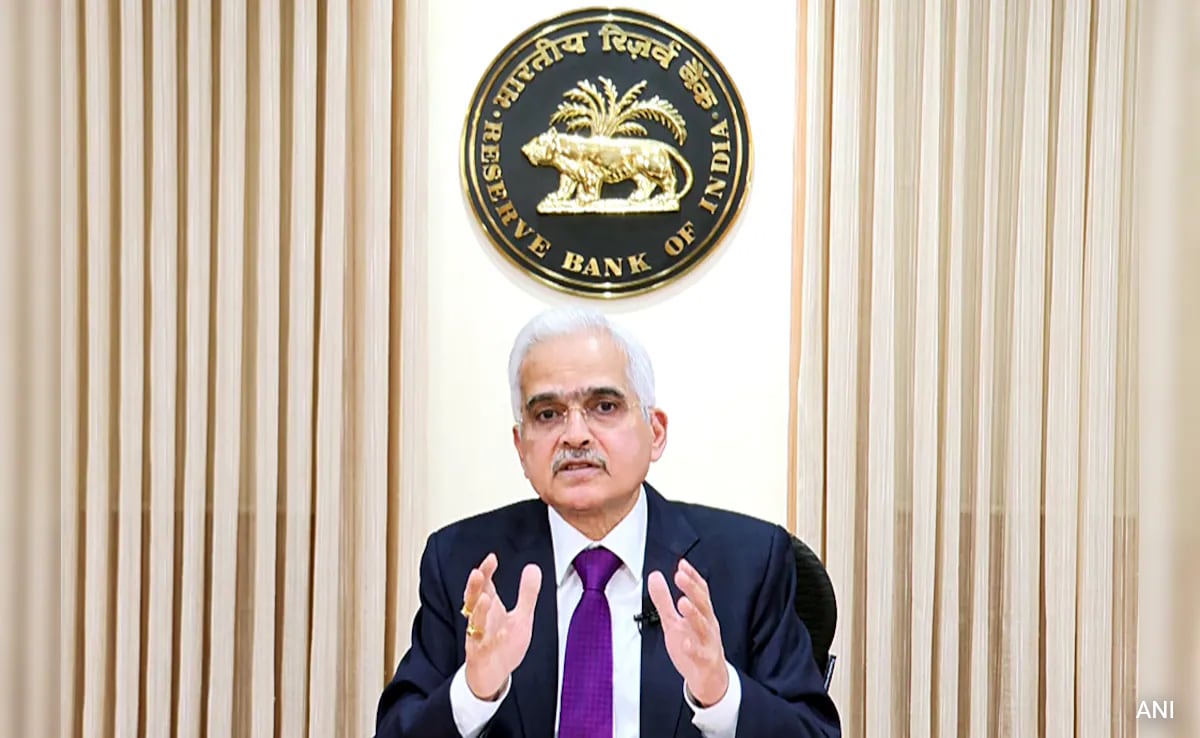
Cryptocurrencies Are Huge Risks To Financial Stability, Says RBI Governor

Cryptocurrencies are huge risks to financial stability and monetary stability, Reserve Bank of India Governor Shantikanta Das said Friday, asserting it may create a situation where the central bank may lose control of money supply in the economy. "I am actually of the opinion that this is something which should not be allowed to dominate the financial system. Because it has huge financial stability risks and huge monetary stability risks, it also poses risks to the banking system. It also may create a situation where the central bank may lose control of the money supply in the economy," RBI Governor Shantikanta Das said during his appearance at the Peterson Institute for International Economics, a think-tank. "If the central bank loses control of the money supply in the economy, how does the central bank check liquidity available in the system? How does a central bank control inflation by squeezing money supply or by losing money supply in times of crisis? So, we see crypto as a big risk, and there has to be an international understanding because the transactions are cross-country," he said in response to a question. "There has to be (an) international understanding on this issue, being fully mindful of the huge risks associated with cryptocurrencies. It is not something which I feel it's not something which should be encouraged. This view is not a very popular view, but I think as custodians of financial stability, it is a major concern for central banks world over. Governments are also becoming increasingly aware of the possible downside risks in cryptocurrencies," Das said. India, he said, was the first country to raise questions about cryptocurrencies. In the G20 under the Indian presidency, there was an agreement to develop an international understanding with regard to how to deal with this whole crypto ecosystem. Some progress has been made in this regard, he added. "I think more work still needs to be done. From India, from the Reserve Bank's perspective, I think we are one of the first central banks which very clearly voiced its serious concerns about the so-called cryptocurrencies. We see them as big risks, huge risks to financial stability. There are good reasons why we are saying that," he said. "First, we have to understand the origin of cryptocurrencies. The origin was to bypass the system. Cryptocurrencies have all the qualities of money. The fundamental question is, are we as authorities, are governments comfortable with privately issued cryptocurrencies which have all the features of Currency issuance. Currency issuance is a function, a sovereign function. So the bigger question, larger question is whether we are comfortable with crypto, which has characteristics of being a currency, or whether we are comfortable with having a private currency system in parallel to the fiat currency," he added. "Obviously, if a certain part of your economy is getting carved out and it is dominated by the crypto assets or the private crypto assets, then the central bank loses control over the entire monetary system. So therefore, it will lead to a huge amount of instability in the monetary system. It can also promote a huge amount of instability in the financial sector. So there are very big risks," he said. "So therefore, in India, we have been articulating that we have to deal with this very carefully. In fact, we have articulated that Countries of course, it will depend on individual countries taking their own decisions. But we feel that it has to be very strong, it is something which I think should be very cautiously and very carefully dealt with," Das said. (Except for the headline, this story has not been edited by NDTV staff and is published from a syndicated feed.)

 2024-10-26 01:39:32

read more

Crypto’s ‘Too Big to Fail’ Token Tether Faces New Threat From US - Bloomberg

Why did this happen? Please make sure your browser supports JavaScript and cookies and that you are not blocking them from loading. For more information you can review our Terms of Service and Cookie Policy.

 2024-10-25 22:30:00

read more

Crypto’s ‘Too Big to Fail’ Token Tether Faces New Threat From US - Bloomberg

Why did this happen? Please make sure your browser supports JavaScript and cookies and that you are not blocking them from loading. For more information you can review our Terms of Service and Cookie Policy.

 2024-10-25 22:30:00

read more

South Korea to strengthen monitoring of cross-border crypto trading

ANN/THE KOREA HERALD – The South Korean government plans to intensify monitoring of cross-border virtual asset trading, including cryptocurrency transactions, through a revised Foreign Exchange Transactions Act set to take effect in the latter half of 2025. Finance Minister Choi Sang-mok announced the plan at a press briefing in Washington, held alongside the G20 Finance Ministers and Central Bank Governors Meeting yesterday. The updated regulations will target illicit transactions linked to tax evasion and money laundering, which have grown alongside a surge in cross-border virtual asset trading. According to the Korea Customs Service, foreign exchange-related crimes amounted to KRW11 trillion (USD8 billion) from 2020 to July of this year, with virtual assets accounting for KRW9 trillion, or approximately 80 per cent of the total. Currently, the National Tax Service and the Korea Customs Service can only investigate virtual asset transactions on a case-by-case basis or by obtaining a warrant. The lack of a comprehensive monitoring system for virtual assets has limited their capacity to address these issues effectively, the ministry said. The government aims to close these gaps through the upcoming legislation, which will involve consultations with relevant agencies to establish a stronger, centralised monitoring framework. Under the new regulations, virtual asset service providers, including crypto exchanges, will be required to register with authorities beforehand to conduct cross-border trading of virtual assets, the ministry said. They will also be mandated to report their transactions to the Bank of Korea on a monthly basis. The central bank, along with the Finance Ministry, is in charge of overseeing foreign exchange transactions. The date, amount, type and information on the sender and receiver of a transaction are likely to be included in the report. The transaction records are to be provided to related authorities for the monitoring of illegal transactions, as well as for statistics and analysis.

 2024-10-25 21:09:17

read more

What Crypto Investors Should Expect From A Pro-Crypto Congress

Share to Facebook Share to Twitter Share to Linkedin Crypto has more allies than ever in Washington D.C. Getty Images Crypto has made headlines as the 2024 Presidential Election enters the final hectic stretch, but that has overshadowed the wide-ranging influence that crypto lobbyists and lobbying dollars will have on the next Congress. With over $160 million spent by the crypto industry in the current election cycle, investors and policymakers alike should prepare for a bipartisan influx of crypto-friendly lawmakers across both chambers of Congress. With multiple candidates poised to ascend to seats in the House of Representatives this voting block is set to add a significant voice in support of an industry that been continuously on the defensive under the Biden Administration and SEC chair Gary Gensler. Interestingly enough the spending by the crypto industry has occurred on a bipartisan basis, including millions of dollars spent at the primary level to ensure pro-crypto candidates appeared on the general election ballot in the first place. Since January 2023 crypto super PACs have funded advertising campaigns involving 67 candidates, including ad campaigns in support of the candidates in question as well as more negative campaigns targeted at opponents of the pro-crypto individual. Given the rapid ascent of the crypto lobbying industry – that although not yet ranked #1 in total dollars spent - has certainly made crypto a talking point and issue of this election cycle from a nearly invisible starting point. Given that, investors and policymakers alike should be aware of what a quantifiably more pro-crypto Congress could mean going forward. A New SEC Chairperson One of the few things that politicians on both sides of the aisle can agree upon is that the SEC regime that has been led by Gary Gensler has taken an antagonistic approach to the crypto sector. After a track record of drafting cutting edge regulation in a prior role at the CFTC, as well as developing and delivering courses on blockchain and tokenized assets at MIT, the attitude taken by the chair has been quite the opposite of prior public comments. Whether it be the regulation-by-enforcement tactic taken in the form of multiple lawsuits and legal notices against token issuers and crypto exchanges, or the combative comments made during public appearances the message has been clear. Crypto has been listed and treated as a detriment to public markets rather than the innovative solution it truly represents. Flush with dollars from crypto super PACs and other lobbyists, the new Congress (and potentially the White House) – will face both pressure and expectations to install a new SEC head. While technically there is no obligation for an incumbent chairperson to resign upon a change in either Congressional or White House leadership that has been the case previously. One thing that crypto investors and advocates should be wary of, however, is that (like under Gensler) even an apparently pro-crypto individual can undertake an aggressive and antagonistic campaign. Legislation: Stablecoin Or Bitcoin Another expectation that policymakers and investors should come into 2025 with is that – after years of false starts and seemingly interminable hearings and testimonials – some kind of crypto related legislation is due to be passed into law. While there have been multiple efforts in the past to codify the treatment and classification of stablecoins, there are two primary reasons why the new Congress will more strongly incentivized to do so. First the reality that TradFi institutions across the board have entered into the crypto arena with an array of products and services has made crypto and crypto-adjacent topics more understandable and less frightening for the non-expert consumer. Second is the growing profile of technologies and technology applications – including crypto alongside the red hot AI sector – in every day conversation. Consumers increasingly understand that tools exist that will enable daily transactions and activities to be performed in a more cost and time efficient manner. Consumer interest translates to voter expectations, especially as the private sector continues to innovate and produce solutions. MORE FOR YOU Trump Vs. Harris 2024 Polls: Ties In 2 New Polls, As Race Narrows Weeks Before Election Day Here’s The Exact Time ‘Black Ops 6’ Launches On PC, Xbox And PS5 In Every Timezone [Update] SpaceX’s Crew-8 Returns NASA Astronauts To Earth After 7 Months These facts circle back around the stablecoins, which are the simplest and most understandable on-ramp for both institutions and individuals seeking to gain exposure to the crypto space. Additionally, the Congress will have multiple bills and proposed pieces of legislation from which to iterate, simplifying the process of eventually passing a stablecoin-centered bill. Wish List Item: Tax Reform Taxes are never a simple topic to discuss, and are rarely something that gains widespread agreement, but for investors and advocates with a more optimistic outlook, clarifying and simplifying crypto tax treatment is a good place to start. Even if Congress is able pass, and the White House signs into law, a bill that simplifies and standardizes stablecoin treatment (relatively low hanging fruit all things considered), current U.S. tax treatment will continue to stifle adoption and further innovation. Mirroring the approach used for legislative purposes, advocates seeking crypto tax reform would be well served to focus on targeted exemptions, carve-outs, or other narrow efforts versus a wholesale change in crypto tax treatment. For example, the current IRS exemption for stablecoin transactions that total under $25,000 is a start – and might be sufficient for individual investors, traders, and users, but for entrepreneurs and institutions that is not large enough. Leveraging the pro-crypto Congress to drilldown on this issue might actually deliver quantifiable tax changes that benefit crypto and encourage wider utilization. Congress looks set to pivot to a pro-crypto stance, and investors should take that into account when looking forward. Follow me on Twitter or LinkedIn. Check out some of my other work here. Sean Stein Smith Editorial Standards Forbes Accolades

 2024-10-25 19:47:10

read more

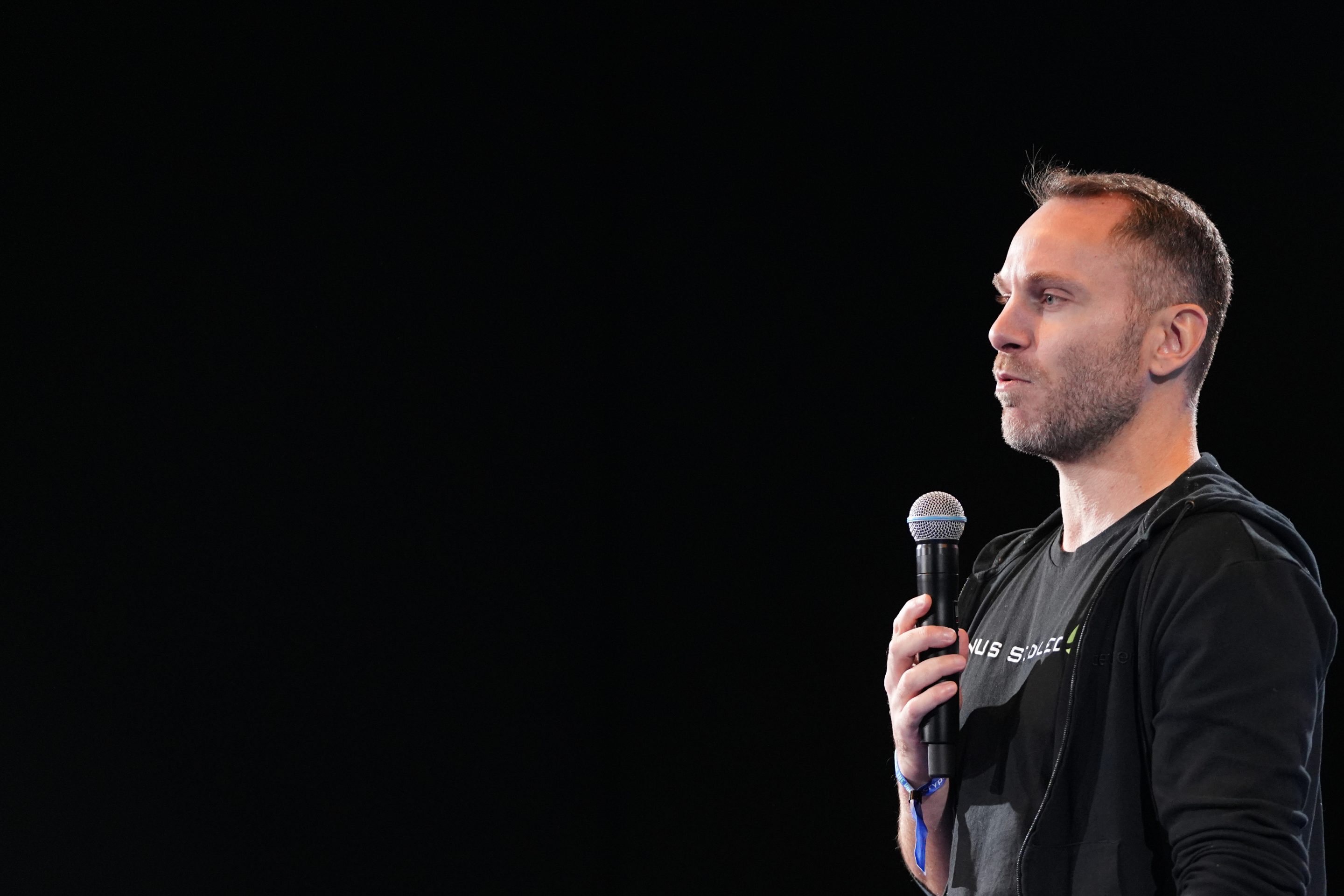
PayPal veteran David Marcus has bold ambitions for his $175 million Bitcoin startup Lightspark—but says it might take the rest of his life

In his final role at Facebook, Marcus led the ill-starred Libra project—a wildly ambitious attempt to create a global cryptocurrency, pegged to real-world currencies, within WhatsApp and the company’s other apps. The project triggered a ferocious blowback from politicians and was ultimately crushed. Undaunted, Marcus went on to launch a company of his own called Lightspark in 2022, raising $175 million to promote the mainstream adoption of Bitcoin. This too has been an uphill struggle. This week, Marcus took the stage in a chic Los Angeles hotel to announce a suite of new Lightspark products he believes will put Bitcoin at the center of global money transfers. Svelte and handsome with grey hair, Marcus charmed the audience with his vision—but, in a sign of the challenge before him, he declared he will work on it for the rest of his life. It’s not clear if that will be enough time. Bitcoin as neutral solution As anyone who has used Venmo or Zelle can attest, moving money within the U.S. is free and easy. The same is true within other countries. It’s a different story sending money across borders, which entails sending wires—a cumbersome process that takes days, typically costs around $40 and is not available outside banking hours. The reasons for this are partly technological, but mostly due to geopolitics. “All [financial] networks are run by countries or by companies that are perceived as companies,” Marcus said, referring to government-run payment networks like FedNow or India’s UPI, and to big corporations like MasterCard. Political leaders are wary of relying on another country’s network for something as critical as payments, meaning there is no equivalent of Venmo across borders. The upshot is that it is expensive or impractical to send even small amounts of money between the U.S. and Mexico, or between Singapore and the Philippines—as millions of workers abroad can attest. The solution to this, says Marcus, is to turn to a money network that is neutral and decentralized: Bitcoin. His company Lightspark is trying to bring that about, building software that can let anyone use the Bitcoin network without incurring its infamous costs and slow processing times. The task has proved a slog since Lightspark has been relying in part on an existing upgrade for Bitcoin called the Lightning Network—a service panned even by crypto devotees as buggy and expensive. On Thursday, Lightspark touted a series of upgrades it says will overcome the Lightning Network’s defects, and accelerate the adoption of Bitcoin in global money transfers. Those upgrades include the ability to connect any wallet to the Lighting Network around the clock and a Layer 2 (a blockchain sits atop a primary blockchain like Bitcoin or Ethereum) network of its own called Spark. Meanwhile, Marcus said a variety of well-known financial brands—including Stripe, Coinbase and NuBank—are trying out Lightspark’s tools. For Marcus, all of this is part of a future where people easily send money across borders using a Venmo-style interface. In the background, the transaction will occur by converting one currency—say the Brazilian real—into Bitcoin and then converting it again into the transfer recipient’s local currency such as the U.S. dollar. He also anticipates that stablecoin transactions, which are rapidly gaining traction, will migrate to Bitcoin’s network from blockchains like Ethereum and Tron. Lightspark is not the only company trying out cryptocurrency as a solution to cross-border payments. San Francisco-based Ripple has long been touting XRP as a “bridge currency” to make these transfers more efficient. Marcus says Bitcoin is the better solution since it is much bigger and more decentralized than XRP, and because banks can trust the Bitcoin network as durable enough to be here 100 years from now. If you build it, will they come? Marcus’s vision of Bitcoin as a large and neutral intermediary at the center of global money transfers is an intriguing one and, in theory, it could work. The question is whether Lightspark can persuade anyone to use it. The plan for Bitcoin-based money transfers relies on users having something called a “Universal Money Address” or UMA that, in the same way as email, lets anyone send or receive with that address. On Thursday, Lightspark announced a tool that makes it easy for those who have an UMA to grant permission to third party apps to integrate the address. In practice, this means people will be able to tie their UMA address—a gateway to the Bitcoin network—to their existing bank and personal finance apps. So far, though, no non-crypto companies in North America appear to have done so, and Lightspark would not provide any details about when they would. The company did, though, say the giant Brazilian neo-bank NuBank is using its services and pointed out that the appetite for payment alternatives in Latin America is thriving. Lightspark declined to share any figures such as active user numbers that would reflect whether the service is getting any traction. It also offered no specifics about how much revenue it is pulling in, though Marcus told Fortune the company is growing fast and that is charging various companies on a per-transaction basis. Meanwhile, one person familiar with Lightspark’s ambitions, who spoke on the condition of anonymity, said he believes the company is simply too late to the game. He pointed to the rapid adoption of existing stablecoin networks as a sign that Marcus’s Bitcoin solution—as elegant as it may be—will struggle to displace what people are using already. Marcus unfazed by such doubts. He says Lightspark has plenty of money—in part thanks to its purchase of a significant amount of Bitcoin two years ago when prices were slumping. He predicts that, now much of the technical infrastructure is in place, the world will soon be ready to make Bitcoin a backbone of global finance.

 2024-10-25 19:27:44

read more

Tether blasts report that stablecoin giant is under investigation for money laundering, sanctions violations

Tether may no longer be avoiding serious scrutiny, however, as the Wall Street Journal reported on Friday that federal prosecutors in Manhattan are investigating whether Tether violated money laundering and sanctions laws through its use by global criminal networks for drug trafficking, terrorism, and hacking. The company is adamantly denying the allegations. “It is wildly irresponsible for WSJ to write articles with reckless allegations with such certainty when no authorities have gone on the record to confirm these rumors, and no sources are named,” said Tether in a statement to Fortune. “The article also carelessly glosses over Tether’s well-documented and extensive dealings with law enforcement to crack down on bad actors seeking to misuse tether and other cryptocurrencies.” With a market cap of $120 billion, Tether’s dollar-pegged stablecoin serves an integral role as the settlement currency for crypto trading and a hedge against volatility in many countries whose populations do not have access to dollars. Its hazy relationship with regulation, though, has led to ongoing questions about how exactly the stablecoin is backed, and about the the use of Tether for criminal activities. Tether has faced previous probes, including by the Office of the New York Attorney General, which hit Tether and its parent company, iFinex, with an $18.5 million fine in 2021 for illegally operating in the state, as well as the Commodity Futures Trading Commission, which ordered Tether to pay a $41 millionpenalty in 2021 for engaging in illegal transactions. The latest probe is the reported expansion of a Department of Justice investigation into whether Tether’s backers committed bank fraud. A spokesperson for the U.S. Attorney for the Southern District of New York did not immediately respond to a request for comment. Tether’s rise Founded in 2014 by Bitcoin enthusiasts, including the Mighty Duck actor Brock Pierce, Tether was one of the earliest iterations of a stablecoin—a type of cryptocurrency that is pegged to an underlying asset, such as a fiat currency or commodities such as gold or oil. The project was soon acquired by Bitfinex, one of the leading crypto exchanges. While Tether maintained a respectable volume, its usage rose during the bull market of 2021, when the explosion of trading fueled the need for a crypto-native settlement currency on exchanges that were less volatile than Bitcoin or Ethereum. While Tether faced competition from rivals including USDC, a stablecoin project backed by Circle and Coinbase, its offshore operations also made it an appealing option for people in countries outside the scope of the U.S., including in economies without access to the dollar, such as Argentina and Lebanon. Despite Tether’s astronomic growth, the firm also faced continued questions about its management, including whether the stablecoin was actually fully backed by dollars. An investigation by Bloomberg in 2021 revealed that a good portion of Tether’s reserves were held in risky assets such as commercial paper from Chinese companies. The company has insisted it no longer engages in this practice. Still, Tether has yet to undergo a traditional audit due to what it says is difficulty in persuading major accounting firms to take it on as a client. Blockchain analytics firms have also tied Tether to global criminal networks, especially with a version of the stablecoin issued on the Tron blockchain. A report published earlier this year by TRM Labs found that Tron hosted 45% of all illicit volume in 2023, with more than half of Tether’s current market cap hosted on Tron. Tether has touted initiatives to combat criminal usage and freeze addresses associated with illicit behavior. In September, Tether and Tron announced a new partnership with TRM Labs called the T3 Financial Crime Unit. Ongoing scrunity The open questions whirling around Tether have not hindered its growth, especially after its rival USDC briefly lost its $1 peg on secondary markets during the banking crisis of March 2023. Even with the launch of new stablecoins from companies such as PayPal, Tether continues to dominate the sector. The company also has the support of Howard Lutnick, the CEO of the financial services giant Cantor Fitzgerald, which manages some of Tether’s backing assets. Lutnick is a major economic advisor to former president Donald Trump. The newly reported probe into Tether’s business, however, raises the risk of disruption for both the company and the crypto sector as a whole, similar to what occurred following the collapse of the fraudulent FTX exchange in November 2022. Tether is arguably more integral to the crypto industry than FTX as its stablecoin underpins the global crypto economy. Potential charges could echo the DOJ and Treasury Department’s case against Binance, which focused on money laundering and sanctions violations by the exchange thanks to the activity of terrorist and drug trafficking networks. Tether has been linked to groups including Hamas and Russian arms dealers have been linked. “There is no indication that Tether is under investigation,” Tether CEO Paolo Ardoino posted on X after the news broke. “WSJ is regurgitating old noise. Full stop.”

 2024-10-25 19:25:13

read more

Microsoft tells shareholders to reject call to invest corporate cash in Bitcoin

The proposal titled “Assessment of Investing in Bitcoin” posits that Microsoft’s current investment in corporate bonds barely outpaces inflation rates and suggests that the company should consider diversifying their assets with Bitcoin, an “excellent, if not the best, hedge against inflation.” “Therefore, in inflationary times like these, corporations should—and perhaps have a fiduciary duty to—to diversify their balance sheets with assets that appreciate more than bonds, even if those assets are more volatile in the short-term,” the proposal said. Beneath the proposal is a section labeled “Board Recommendation” in which Microsoft’s board of directors advises shareholders to vote against the proposal. The board explains that the company does not need to assess investing in Bitcoin because “Microsoft’s management already carefully considers this topic,” the filing said. The tech giant, whose largest shareholders are Vanguard, BlackRock and State Street, says it has a Global Treasury and Investment Services team that regularly evaluates a vast array of potential investments to effectively diversify Microsoft’s assets and protect shareholders from inflation. This team has considered Bitcoin and other cryptocurrencies in past evaluations, Microsoft said in the filing. “Microsoft has strong and appropriate processes in place to manage and diversify its corporate treasury for long-term benefit of shareholders and this requested public assessment is unwarranted,” the filing said. The proposal was set forth by The National Center for Public Policy, a conservative think tank. The organization serves as an advisory board member of Project 2025, a far-right policy initiative to expand presidential power and impose a traditionalist social order under the next Republican administration. The proposal notes that while the company should consider investing in Bitcoin, it should not risk shareholder value by investing too much of their assets in the cryptocurrency. The organization suggests that Microsoft “evaluate the benefits of holding some, even just 1% of its assets in Bitcoin.” This proposal comes as MicroStrategy, another large tech company, reaches a new high of $241 this year as the company’s strategic pivot toward Bitcoin investment pays off handsomely. The company has amassed 252,220 Bitcoins since 2020, worth about $17 billion. This has led MicroStrategy’s stock to surge 250% over the past year while Microsoft is up 16%.

 2024-10-25 19:02:30

read more

Crypto.com Arena Renovation Unveiled: Outdoor Terrace, VIP Tours & a Doritos-Themed Restaurant

Crypto.com Arena hosted the first game of the 2024-2025 NBA season on Tuesday night (Oct. 22), which saw the arena’s tenants, the Los Angeles Lakers, take on the Minnesota Timberwolves. The evening notably featured the first appearance of a father-son duo (LeBron James and son Bronny James) in NBA history — while the 25-year-old arena also showed off its new, nine-figure renovations. A quarter of a century is a long time for any entertainment arena to remain culturally relevant, but Crypto.com Arena (formerly Staples Center) has completed its third round of multi-million-dollar renovations to keep up with technological advancements and a new era in fan enjoyment. During the Oct. 22 game, the arena — at the center of the entertainment campus L.A. Live — unveiled its new outdoor space, refreshed food and beverage offerings and state-of-the-art technology designed to reduce wait times throughout the facility. The arena’s first outdoor space, the City View Terrace, offers concert and game attendees the option of enjoying food and drinks with downtown Los Angeles as the backdrop while still being able to view the game or concert taking place inside. The terrace features several food and beverage stops and is open to all ticket holders. For floor- or ice-seat ticketholders, the arena revamped its exclusive Chairman’s Club to become the Delta SKY360° Club. On Wednesday (Oct. 23), Crypto.com Arena senior vp of guest services and security Danielle Snyder took media on a tour of the reimagined space, which includes a private bar in a lounge setting that is only accessible to premium seat holders and friends and family of the team or act playing. For the first time in its history, Crypto.com Arena will also now offer VIP tours to the general public, allowing guests to access behind-the-scenes areas such as the Delta SKY360° Club. This season, founding partner Coca-Cola is also continuing to expand its presence with the newly unveiled Coke Studio, a 3,300-square-foot music-driven studio and event space at Crypto.com Arena that will host concerts, artist appearances, podcast recordings and more. Coca-Cola is supporting the arena’s sustainability initiatives, including the r.Cup program, which replaces single-use cups with reusable ones to help further the arena’s commitment to reducing waste. As part of this program, Coca-Cola products, along with other non-alcoholic beverages, will be served in r.Cup’s reusable vessels. The arena’s new food offerings include chef and TV host David Chang’s spicy fried chicken concept fuku and chef and restaurateur Ludo Lefebvre’s two new concession stands: Mediterranean-focused Ludobab and Trois Familia, a fusion of Lefebvre’s French background with local Mexican cuisine. Elsewhere, Fresh Brothers will become the arena’s official pizza partner with a new concession stand (replacing Blaze Pizza), while Big Mozz is the arena’s newest official mozzarella stick partner. A standout of the new offerings includes the first Doritos restaurant, Doritos After Dark. Located at the arena’s main Star Plaza entrance, Doritos After Dark serves up late-night favorites elevated with the flavor and crunch of Doritos for appetizers and entrees. Special items include Doritos Spicy Sweet Chili Ramen-Rito (a Dorito and ramen-filled burrito) and Doritos Nacho Cheese Crunchtastic Vanilla Cone (an ice cream cone with a chocolate shell covered in cheesy chips). On Nov. 15, for one night only, Doritos After Dark will step out of the arena and into a one-of-a-kind Doritos Night Market pop-up in a free, immersive, neon-filled atmosphere open to all from 4:30 to 7:30 p.m. at L.A. Live’s Peacock Place. New technology has also been installed at the arena. This includes Evolv, a leader in AI-based security technology, which is enhancing fan safety with the rollout of its Evolv Express screening system at all entrances. This cutting-edge technology allows fans to move through security checkpoints more quickly and efficiently, differentiating between potential threats and most everyday metal items such as cell phones and keys. By streamlining entry, Evolv is designed to help fans spend less time waiting in line and more time enjoying the event. Once inside, fans can also skip lines with Amazon’s Just Walk Out technology, which has been installed at multiple locations inside the arena, along with the brand-new Exo self-checkout at the Team LA Store, which also underwent a remodel. Now, all items at the Team LA Store include RFID technology, which allows fans to drop all their merchandise into a scanner that rings up everything instantaneously. The technology is currently only available at sporting events, as tour merchandise is not yet streamlined with RFID technology. Crypto.com Arena is set to host programming tied to some of the biggest and highest-profile sporting events over the next decade. Among other events, it has been selected to host the 2025 Grammy Awards (the 22nd time the arena has hosted music’s biggest night), the 2027 NCAA Division I Men’s Basketball Regional, and the men’s and women’s gymnastics competitions for the 2028 Olympic and Paralympic Games.

 2024-10-25 18:38:08

read more

Tether CEO says he sees no indication of US probe

Tether's top executive said on Friday the company has seen no sign it is under investigation, after the Wall Street Journal reported U.S. authorities are probing potential violations by the cryptocurrency firm of sanctions or anti-money laundering rules. Federal investigators, led by the U.S. Attorney's Office in Manhattan, are scrutinizing whether the cryptocurrency has been used by third parties to fund illegal activities such as the drug trade, terrorism and hacking - or to launder the proceeds generated by them, the WSJ said, citing unnamed sources. Tether is the world's largest stablecoin, a type of cryptocurrency designed to hold a fixed value over time. "There is no indication that Tether is under investigation," Tether CEO Paolo Ardoino said on X. A spokesperson for the U.S. attorney's office declined to comment. The Treasury Department has been weighing sanctions on Tether because of widespread use by sanctioned individuals and groups, the WSJ report said. The crypto firm has been under investigation for years in connection with potential bank fraud by backers, the report said. The Treasury Department's Financial Crimes Enforcement Network did not respond immediately to requests for comment. "The article ... carelessly glosses over Tether’s well-documented and extensive dealings with law enforcement to crack down on bad actors seeking to misuse tether and other cryptocurrencies," Tether said in a statement about the WSJ report.

 2024-10-25 18:33:07

read more

Prominent crypto critic says someone offered bribes to take down a blog post

In August, the crypto news website Web3 Is Going Just Great published a post about the arrest of Roman Ziemian, the founder of crypto trading platform FutureNet, which is alleged to have defrauded victims out of a combined $21 million. For the news site’s administrator, Molly White, a software engineer and one of the world’s fiercest critics of the crypto industry, that was a routine post. For years, White has documented frauds, hacks, and scams perpetrated by influences, crypto project founders, and web3 companies on the website. Then, last week, things got a bit less routine. On October 18, a person who did not identify themselves but claimed to run a “reputation management company” that cleans up “clients image over the internet,” asked White to remove her X post about FutureNet and Ziemian, “which is about my client.” The person then offered White a bribe of $200 to remove the corresponding post from Web3 Is Going Just Great, according to a copy of the exchange that White shared with TechCrunch. White declined the offer, arguing that there were no errors in her posts. The unnamed person agreed, according to the response seen by TechCrunch, but nevertheless upped the price to $500. White told TechCrunch that this “isn’t the first time someone has tried to intimidate me into removing my factual reporting, and it won’t be the first time they succeed,” but, White added, it was the first time someone offered her money to do it. The unnamed person did not respond to TechCrunch’s request for comment. A few days later, someone identifying as a lawyer named Michael Woods emailed White. Citing the Digital Millennium Copyright Act, which governs U.S. copyright law, Woods alleged that White’s post infringed copyright because, they claimed, “this page content has been copied from our website,” according to the email exchange that White also shared with TechCrunch. Woods included a link to a Blogspot website called “WP Media News” that shows the exact word-for-word content from White’s post, allegedly from August 18, 2024, a day before White’s post and purportedly written by Woods themselves. At first glance, the Blogspot site appears to be some sort of a content farm filled with dozens of articles about various types of news, such as crypto fraud, sanctions against Russians, and COVID-19, going all the way back to 1995, and all authored by Woods. (TechCrunch found that the site was in part run on Rankify, a service that offers to generate “SEO optimized human-like content” using AI.) White told the purported lawyer that, “there are penalties for filing false DMCA claims.” Woods responded by offering White $100 to “permanently remove” the same blog post about Ziemian. White declined the offer. TechCrunch was unable to ascertain if Woods is a real individual. The address Woods included in their email signature does not appear to exist in the real-world, as checked by TechCrunch. Woods listed an address in Los Angeles that appears to be a completely empty lot. And, there is no Michael Woods registered as a lawyer in Los Angeles, according to the California State Bar website. Woods did not respond to TechCrunch’s request for comment sent via email and in a voicemail. TechCrunch sent a request for comment to an email address used to register the FutureNet official website, but did not receive a response. White told TechCrunch: “While I’m always happy to issue corrections if I have made an error, I do not remove posts simply because the people and companies I write about don’t like what I have to say.” “If I did that, I suspect there wouldn’t be much left on my website,” said White.

 2024-10-25 17:49:11

read more

Crypto Firm Circle’s IPO Ambitions Remain Despite Delay, CEO Says - Bloomberg

Why did this happen? Please make sure your browser supports JavaScript and cookies and that you are not blocking them from loading. For more information you can review our Terms of Service and Cookie Policy.

 2024-10-25 17:45:11

read more

Most Male Voters Don't Care About Crypto: Poll

Men's relationship with crypto has been a major talking point in this election, but according to a new survey it may not be worth it.The poll was conducted by Democratic polling company Blueprint 2024 among 1,348 male registered voters nationally, including an oversample of 611 young male voters (18-29) from October 9 to 13.It found that crypto was the least important issue out of 28 among men of all ages, and ranked as a priority for only 14 percent of respondents.Evan Roth Smith, Blueprint's lead pollster, believes that both campaigns know that crypto is not a major issue in the polls, but that with such a tight race both candidates feel the need to campaign on whatever could possibly gain them an extra few votes.Roth Smith said: "If there are 5,000 young men in the state of Pennsylvania who are going to cast their vote based on crypto, you'd prefer to win there."Roth Smith added that most young men in particular "care about what most voters in America care about."According to the poll, the top five most important issues for young men in this election are inflation, jobs, the economy, corruption, and crime. It also found that young men were more likely to trust Trump than Harris on all five.Although crypto is a marginal issue for most men in the 2024 election, it is not a non-issue entirely.According to a survey for Grayscale produced by The Harris Poll between September 4 and 6, among 1,841 adults 46 percent of respondents believe that crypto and blockchain technology are the future of finance, and both candidates have been trying to speak to them.Donald Trump launched his crypto venture 'World Liberty Financial' on October 15, and Kamala Harris produced a policy platform for Black men on October 14 which explicitly lists "supporting a regulatory framework for cryptocurrency and other digital assets so Black men who invest in and own these assets are protected" as one of her priorities.A New Yorker article from September 27 interviewed voters who are backing Trump because of his stance on crypto.One voter, Rich Clarke, said that Trump appealed to him because of his positive stance on crypto as well as his position on pardoning Ross Ulbricht, the founder of Silk Road, an online blackmarket site that facilitated transactions via Bitcoin, who was given two life sentences for crimes related to drug trafficking and money laundering.While not many voters might be swayed by a candidate's crypto platform, the race to the White House is looking extremely close, suggesting every vote counts. In recent weeks, polls have tightened, and most models now predict a Trump win.Do you have a story we should be covering? Do you have any questions about this article? Contact  LiveNews@newsweek.com

 2024-10-25 17:04:17

read more

How Much Does It Cost to Build a Crypto Exchange?

The average cost to build a cryptocurrency exchange ranges between $130,000 – $200,000. The development process usually takes around 6 to 9 months, depending on the project scope. The final cost and timelines will depend on several factors, such as the type of platform you’re building, the features, the number of integrations and APIs you need, and so on. The table below helps better understand how the processes influence the final cost of building a crypto exchange. Design $5,000-$10,000 Development $40,000-$50,000 API integration $50,000-$80,000 Blockchain $10,000-$15,000 Testing $25,000-$30,000 (with or without auto tests) Total cost* $130,000-$185,000 *Please note that the above costs are very approximate. It’s impossible to provide you with the final cost to develop a cryptocurrency exchange without knowing all the requirements. Get in touch with us for a more detailed cost calculation. Build a Crypto Exchange: Summing Up Let’s wrap the article up by quickly summarizing the cryptocurrency exchange development process: Define your target audience Choose countries for operation Obtain a crypto trading license Choose cryptocurrency exchange type and features Find a crypto exchange development company Design an exchange Develop the first version of the cryptocurrency exchange Launch and promote your crypto exchange platform

 2024-10-25 16:16:22

read more

How to Start a Cryptocurrency Exchange: Steps & Processes

Today, there are hundreds of cryptocurrencies and millions of cryptocurrency holders. The number of users in the cryptocurrency market is projected to reach 107.30 million by 2025, with a user penetration rate of 7.41% in 2024, which is anticipated to rise to 7.35% by 2025. This market’s average revenue per user is expected to be $61.5 in 2024. In this article, we’re looking into how to start a cryptocurrency exchange, why to start it, and how to turn it into a successful business. You’ll learn a lot of useful information to build a crypto exchange: What is cryptocurrency exchange & how does it work? Why build a crypto exchange? Most popular types of cryptocurrency exchange platforms Key options for cryptocurrency exchange development How to start a cryptocurrency exchange How much does it cost to build a crypto exchange? Dive right in if you want to know how to create a cryptocurrency exchange and how to get into the top 4 exchange locations where 63% of daily crypto tradings happen. What is Cryptocurrency Exchange & How does it work? A cryptocurrency exchange is a platform that allows cryptocurrency holders to exchange virtual currency for other assets. A crypto exchange acts as an intermediary between people looking to sell or buy cryptocurrencies. After users set up an account with a cryptocurrency exchange, they can buy and sell different cryptocurrencies, such as Bitcoin (BTC), Dogecoin (DOGE), Ether (ETH), and so on. Fiat-to-crypto exchanges allow users to trade traditional money for cryptocurrencies and vice versa. Crypto-to-crypto exchanges allow users to trade different cryptocurrencies and exchange one cryptocurrency for another. Binance, Coinbase, FTX, Kraken, and KuCoin are examples of the most popular crypto exchanges in the world. All exchanges differ in the number of supported cryptocurrencies and their services. For example, some platforms don’t allow their users to move cryptocurrency from the platform to their crypto wallets, while others allow it. Below you can see an image showing how a cryptocurrency exchange works. Cryptocurrency is a multi-billion dollar, rapidly growing industry. Right now might be a great time to tap into the industry and capitalize on it. Since numbers speak louder than words, let’s take a look at some interesting industry statistics. Crypto holders worldwide The global cryptocurrency market cap today is $2.28 Trillion, a 0.94% change in the last 24 hours and 105.19% change one year ago. As of today, the market cap of Bitcoin (BTC) is at $1.25 Trillion, representing a Bitcoin dominance of 54.92%. Binance ranked among the largest cryptocurrency exchangers in the world in 2024, with a daily trading volume of $19.38 billion. The second most popular exchange is Binance, with a $11.05 daily trading volume, and FutureX Pro is the third, with a trading volume of $4.33 billion. In 2024, Binance reported $2.27 Trillion billion in revenue, representing a 37.3% growth year-to-date. In 2024, there were over over 560 million around the world who owned or used cryptocurrency. The global blockchain technology market size was valued USD 27.84 billion in 2024 to USD 825.93 billion by 2032, exhibiting a CAGR of 52.8% during the forecast period. The cryptocurrency market continues to grow, and there is no indication it will stop anytime soon. That’s why many businesses explore the idea of cryptocurrency exchange development in the hopes of becoming the next Binance or Coinbase. Types of Cryptocurrency Exchanges There are four types of cryptocurrency exchanges: Centralized exchanges (CEX) Decentralized exchanges (DEX) Peer-to-peer exchanges Instant exchanges Each of the types has its pros and cons. Let’s review each type for a more in-depth understanding of how to start a cryptocurrency. Centralized Exchanges (CEX) Centralized exchanges act as intermediaries between sellers and buyers. This is the most popular type of cryptocurrency exchange. Centralized exchanges are also called custodian exchanges since they store the digital assets of customers. Users can purchase or exchange cryptocurrencies for other digital assets or fiat currencies. As centralized exchanges act like brokers, they charge a trading fee from 0.1% to 8%. In return, they provide customers with a secure environment for storing and selling cryptocurrencies. Coinbase, Binance, and Kraken are the most popular examples of centralized exchanges. Advantages: User-friendliness Feature-rich Millions of operations per second Disadvantages: Weaker protection against hackers Users have to keep their assets on the crypto exchange Fees up to 8% (bad for users, good for exchange’s owners) Decentralized Exchanges (DEX) Decentralized exchanges are non-custodial. It means the exchange doesn’t store the digital assets of customers. The funds are sent from one wallet to another directly on the blockchain. There is no third-party organization or server controlling cryptocurrency operations. Decentralized cryptocurrency exchanges are less popular and don’t have high trading volumes and liquidity. Examples of DEXs include Pancake Swap, Binance DEX, and Uniswap. Advantages: New users registration and verification Low fees up to 0.25% (good for users, bad for crypto exchange’s owners) Users don’t have to store assets on exchange accounts, which reduces the probability of losses Disadvantages: No third-party moderation Traders can revoke payments by PayPal or bank cards Users have to wait until other traders are ready to make operations HOW TO BUILD A BLOCKCHAIN APP Peer-to-Peer Crypto Exchanges A Peer-to-Peer (P2P) exchange is similar to a decentralized exchange. The platform provides the hardware and software infrastructure for direct transactions between two users with no intermediary. Unlike DEXs, P2P crypto exchanges connect buyers and sellers using an escrow service. The service ensures every transaction is completed at an agreed price and payment method. If you decide to build a crypto exchange of this type, you’ll be able to make money by charging a percentage of each completed transaction. P2P exchanges are popular in Africa and other countries where Bitcoin exchanges are banned. LocalBitcoins and Paxful are examples of P2P crypto exchanges. Advantages: Suitable for beginners as only two options are available – buying and selling The buyer doesn’t pay fees for the deposit, exchange, and withdrawal Seller ratings ensure user protection Disadvantages: Exchanges may take some time Sending money to the wrong user may happen Difficult to dispute charges after transactions Instant Exchanges Instant crypto exchange is a swap service that acts as a middleman. It allows users to instantly exchange one cryptocurrency for another. Instant exchanges receive and deposit funds directly to the users’ accounts. Platforms of this type don’t store the cryptocurrency of customers. Advantages: Highest transaction speed Support for large orders No responsibility for stored assets Disadvantages: Difficulties to get refunds More difficult to use Examples of instant cryptocurrency exchanges include such services as Letsexchange, Changelly, FixedFloat, and SwapZone. As you can see, there are different types of cryptocurrency exchanges. You can create any of them or even try and come up with a unique idea to beat the competition.

 2024-10-25 16:09:44

read more

How to stay safe when spending crypto online

Just like when using credit cards, you want to make sure you only spend your cryptocurrencies on reputable platforms. This will eliminate many risks that are commonly associated with online transactions. Do some research on the company you’re buying products or services from and only go through with the purchase if the vendor is trustworthy enough. Let’s say you want to use crypto to gamble online. Turning to a well-known platform such as Lucky Block ensures that your transactions are handled securely. The same goes for buying any other product or service — prioritize well-established companies and you’ll have nothing to worry about. Recognize Common Crypto Scams With cryptocurrencies still being a relatively new asset, people are quick to jump on any opportunity to profit from them. This opens the doors for internet wrongdoers to come up with all sorts of giveaways and investment scams. Then, all they have to do is wait for people to fall for their traps. Luckily, you can simply stay away from anything fishy and you’ll be safe. Remember that if an offer looks too good to be true, it’s probably a scam. Just continue spending your crypto as you usually do and don’t make rash decisions when you see ridiculously good offers anywhere on the web. Use Strong and Unique Passwords As we learned in this 2018 hack, one of Finland’s biggest data breaches, being online means your passwords are never safe. Even if you do everything on your side, your combinations could still end up in the hands of cybercriminals. If you’re spending crypto, you want to ensure that even if one of your passwords gets leaked, your tokens remain safe. The best way to do this is to use strong and unique combinations for your crypto accounts. The best passwords are at least 12 words long and don’t contain common phrases that can be found in the dictionary. Also, never use the same combinations across multiple accounts, especially the ones that are linked to your crypto wallets. Enable 2FA on Your Accounts With internet criminals always on the hunt for other people’s passwords, it’s important to use everything you can to protect your accounts. Enabling two-factor authentication (2FA) on your accounts that are linked to your crypto wallet provides an extra layer of security. Even if someone gets their hands on your password, they would still need confirmation from you to actually use your crypto. The best part is that implementing 2FA takes just a couple of minutes. Simply download a 2FA app on your phone and link it to your accounts by scanning a QR code provided by the platform. Respond Quickly No matter how much you try to stay safe, security incidents can always happen. In such events, it’s important to respond as quickly as possible. Let’s say you receive a message about an unauthorized transaction or access to your crypto account. Change your passwords immediately and close all current sessions if possible. Also, think about whether you’re using the same combination on any other accounts and if you do, change them as well. Next, contact your platform and notify it about the incident. They might be able to take extra measures to ensure your account is safe.

 2024-10-25 15:46:52

read more

‘We Are Returning Your Crypto Tax’ – UAE announces bold tax moves

In a bold move that could reshape global digital finance, the United Arab Emirates (UAE) has announced the removal of Value-Added Tax (VAT) on all cryptocurrency transactions, effective November 15, 2024. This decision is set to lift a significant financial burden on crypto businesses and investors, reinforcing the UAE’s status as a leader in blockchain innovation. The policy, made public on October 2, 2024, is a key part of the UAE’s strategy to foster a crypto-friendly environment. Previously, the 5% VAT on crypto transactions created barriers for businesses and investors. The new tax exemption eliminates these hurdles, encouraging more activity in the sector and driving both investment and economic growth. One of the most striking features of the policy is its retroactive application to January 1, 2018. Businesses that have paid VAT on crypto transactions in previous years are now eligible for a full refund. This retroactive relief offers immediate financial benefits, enabling companies to recover costs and reinvest in their operations. It also demonstrates the UAE’s commitment to creating a fair and transparent regulatory landscape. Strengthening the UAE’s Position as a Crypto Hub The removal of VAT on crypto transactions is just one part of the UAE’s broader strategy to become a global leader in digital assets. By lowering operational costs for businesses, this policy makes the UAE an attractive destination for both local and international companies. The decision will enhance profitability for crypto firms and boost investor confidence, contributing to the growth of the sector. This strategy will have a positive ripple effect on the UAE’s digital economy. Dubai, in particular, has long positioned itself as a global center for blockchain and cryptocurrency. This move strengthens its role as a key player in the industry. For investors, the VAT exemption simplifies transactions and removes financial hurdles, making the UAE an even more appealing destination for crypto-related investors. Moreover, the VAT exemption applies only to digital assets, while fiat currencies and traditional financial securities remain subject to the tax. This targeted approach reflects the UAE’s focus on fostering the digital economy while maintaining the integrity of its broader financial system. Global Implications and Lessons for Other Nations While the UAE takes a progressive stance on digital assets, other countries are still grappling with how to regulate and tax cryptocurrencies. Nigeria, for instance, is currently navigating discussions on crypto taxation. By adopting a flexible regulatory approach similar to the UAE’s, Nigeria and other nations could attract foreign investment, foster innovation, and become competitive players in the global digital economy. The UAE’s decision sets an example for the rest of the world as other countries debate how to generate tax revenue from digital assets, the UAE is prioritising innovation and investment over generating tax revenues from this budding industry. A Growing Crypto Economy The UAE’s decision to remove VAT on cryptocurrencies comes at a time when its crypto economy is already booming. From July 2023 to June 2024, the country saw over $30 billion in cryptocurrency transactions, making it the third-largest market in the Middle East and North Africa (MENA) region. The elimination of VAT is expected to fuel even more growth, further establishing the UAE as a global hub for the crypto industry. For businesses and investors, this policy simplifies the process of engaging with cryptocurrencies, making the UAE one of the most favorable environments for digital finance. By offering retroactive refunds and removing tax complexities, the country is creating an ecosystem that encourages both local and international participation. Looking Ahead The UAE’s elimination of VAT on cryptocurrency transactions is a forward-thinking policy that aligns with its broader vision of becoming a global leader in blockchain and digital assets. As the digital economy continues to evolve, the UAE’s regulatory framework is likely to shape future global discussions on crypto taxation and regulation. In the coming years, the UAE’s approach could serve as a model for other nations looking to balance innovation with regulatory oversight. The country’s bold decision is not only setting a precedent for how to nurture the crypto industry but also paving the way for the future of digital finance on a global scale.

 2024-10-25 14:50:59

read more

DC Memo: Crypto industry spending big on Craig’s reelection campaign

WASHINGTON — Races for Rep. Angie Craig’s 2nd Congressional District seat have always been awash in outside spending, with groups supporting or opposing the incumbent spending millions of dollars to swamp the airwaves with TV ads. But the biggest outside spender this time is new to the game and represents the cryptocurrency industry, which is trying to fend off new federal regulations. So crypto Super PAC Fairshake and two allied PACs, Defend American Jobs and Protect Progress, have spent more than $130 million this year supporting its friends in Congress, and those who might be their friends, and attacking lawmakers who want better regulation of the crypto industry. Fairshake alone has spent more than $1 million supporting Craig, although its ads do not mention crypto at all, focusing instead on the Democrat’s hardscrabble upbringing (in Arkansas) and portraying her as an inflation fighter. “Angie Craig knows what it takes to make ends meet,” the Fairshake ads say. “Raised by a single mother who worked two jobs, Craig’s mother had to choose between food and health care.” The massive spending by the crypto industry on Craig’s behalf seems counterintuitive at first blush. After all, Rep. Tom Emmer, R-6th District, is one of the top champions of the industry in Congress, has a senior position on the House Financial Services Committee and is a member of the GOP leadership as House Majority Whip. And Emmer is the biggest booster of Craig’s GOP opponent, Joe Teirab, whose campaign did not benefit from the huge outpouring of political crypto cash. Neither Emmer’s campaign nor Teirab’s responded to requests for comment. But the industry knows what it is doing. Craig sits on the Agriculture Committee panel with jurisdiction over the Commodity Futures Trading Commission (CFTC,) which, along with the Securities and Exchange Commission (SEC), regulates crypto. Craig was also identified by cryptocurrency advocacy group Stand With Crypto as a lawmaker who “strongly supports crypto” — a rating based on the study of her voting record and a questionnaire she filled out. In that questionnaire, Craig said she did not have any experience buying or selling crypto, but agreed that the industry’s blockchain technology and digital assets would play “a major role in the next wave of technological innovation globally.” She also agreed with the statement that “cryptocurrency and the digital asset industry is driving economic growth and supporting millions of jobs across the country” and said she would vote for a bill, heavily promoted by Emmer, called the Financial Innovation and Technology for the 21st Century Act. The legislation would shift some crypto oversight away from the SEC and toward the CFTC, which some critics see as friendlier to industry. Walz costs Harris Pennsylvania? Former Republican House Speaker Kevin McCarthy told Bloomberg Television Thursday that his former arch nemesis, Democrat Nancy Pelosi, had a key role in Kamala Harris’ selection of Tim Walz over Pennsylvania Gov. Josh Shapiro as her vice-presidential running mate. McCarthy said that decision — echoed by other Republicans and, privately, a few Democrats lately — means Harris will lose Pennsylvania and lose the national election to Donald Trump “If (Trump) picks up Pennsylvania — it’s over,” McCarthy said, because he would not need to capture other swing states like Arizona or Nevada to reach the 270 electoral votes needed to win the election. He also said “Kamala, at the end of the day — if she loses this race — it’s going to be because of her listening to Pelosi when Pelosi pushed her to pick Walz, not Shapiro.”Yet some analysts say Harris could lose Pennsylvania and still win the election if she wins all the states that now favor her and is able to win either Georgia or North Carolina. Still, Harris’ most likely path to the White House is winning the Midwestern “blue wall” states of Wisconsin and Michigan and Pennsylvania and one congressional district in Omaha, Nebraska. There is no evidence that Shapiro, while popular in his home state, would have done better than Walz stumping for Harris in Pennsylvania. But the race is tight there and Pennsylvania likely will be the focus of both campaigns in the closing days of the race. Most polls taken in the state show a dead heat. Hope Walz was back on the campaign trail with her father this week as Gov. Tim Walz traveled to Wisconsin on Tuesday after spending the weekend in New England. He was joined by former President Barack Obama at a rally in Racine on the first day of early voting in the state. Walz addressed comments from John Kelly, a former Trump chief of staff, who said recently that Trump had told him that he wished he had generals like Adolf Hitler’s. “As a 24-year veteran of our military, that makes me sick as hell,” Walz said. “The guardrails are gone. Trump is descending into this madness.” Walz also made a quick trip back to Minnesota to visit a polling place in St. Paul with his family. Walz told a poll worker it was the first time his 18-year-old son Gus had voted. “He’s pretty excited about it,” Walz said. Then it was on to Kentucky, where he raised $2 million at a fundraiser in Louisville. During that stop in Louisville, Walz said he would mention some “incredibly dangerous reasons that Donald Trump needs to stay out of the White House.” “But one of the simplest ones is how refreshing it will be just not to see or hear that guy,” he said. After that Walz headed to the swing state of North Carolina, where polls show Harris had made some recent headway against Trump. One stop was to Duke University’s Cameron Indoor Stadium to meet men’s basketball coach Jon Scheyer. He was overheard saying Cameron “really does have a high school gym feel to it” when he walked into the arena. On Thursday evening, Walz was scheduled to speak at a rally at Wilmington, North Carolina, where he would be joined by native son James Taylor. Taylor was expected to perform at the rally, but the Harris campaign could not confirm the musician would sing “Carolina in My Mind.” In case you missed it: Ava Kian traveled to Sleepy Eye for our story on the 1st congressional district that was represented by Tim Walz for a dozen years but is now out of reach for a Democratic candidate. Peter Callaghan took a close look at a state senate race that is not getting much attention but could decide whether that chamber remains in DFL hands. And Winter Keefer wrote about why it is taking so long — four years after the death of George Floyd — to take down the razor wire around Minneapolis’s Third Precinct police station. The station was burned down during the city’s unrest and its dilapidated state provides a good backdrop for GOP politicians to blame Tim Walz for the unrest. Your questions and comments A reader who said his graduate degree was focused on immigration commented on our story about the drift towards the GOP in the largely rural 1st Congressional District, which borders Iowa. “When a Republican farmer isn’t focused on getting a great farm bill, but supporting the Trump agenda, which is pretty anti-rural, I really wonder why people cannot focus on real issues that affect them,” the reader wrote. “Immigrants are a big part of filling rural jobs. Actually most are well respected. Sort of like ‘our immigrants are OK,’ but there’s lots of fear of immigrants in big cities – who create no risk for them, with the exception of those involved in drug trafficking, which is hardly confined to immigrants.” The story also prompted a comment from a resident of the 1st District. “We need more construction workers,” the reader wrote. “Construction firms are backed up. This leads to a long waiting period for service. If you are lucky enough to get service, you may have to pay an extra mileage fee if you live far from cities like Rochester and Austin…Free trade school or community college could help increase the number of construction workers.” Please keep your comments, and any questions, coming. I’ll try my best to respond. Please contact me at aradelat@minnpost.com.

 2024-10-25 14:25:33

read more

Microsoft Could Make BTC Investment Progress by December

Despite its notorious volatility and lack of regulation, the crypto sector appears to be gaining traction within the global investment community. By December, software giant Microsoft is expected to finalise its stance on adding Bitcoin to its balance sheets. Currently, the company is inviting shareholder feedback to gauge support for exploring Bitcoin investments. This development comes just weeks ahead of Microsoft's 2024 Annual Shareholder's Meeting. The Redmond, Washington-based company submitted a filing to the US Securities and Exchange Commission (SEC) this week, that revealed this development. The document shows that the company board members have ‘recommended' the voters to vote against Microsoft assessing Bitcoin investments. Bitcoin was founded in 2009 by its anonymous creator famed by the pseudo name, Satoshi Nakamoto. Around October 2009, BTC was priced $0.0009 (roughly Rs. 0.076). Over the course of the last 15 years, BTC's value has touched the mark of $73,738 (roughly Rs. 69.9 lakh). As of Friday, October 25, BTC was trading at $67,767 (roughly Rs. 56.9 lakh) with its total market cap standing at a whopping $1.34 trillion (roughly Rs. 1,12,66,679 crore).US Government's Crypto Wallet Holding Seized Bitfinex Funds Hacked: Report Despite its significant market presence, Bitcoin remains highly volatile amid macro- and microeconomic shifts, posing substantial investment risks. Microsoft's decision to seek stakeholder input on Bitcoin investments suggests that the crypto sector is increasingly capturing the interest of institutional investors. In the past, Microsoft has dabbled with the crypto and Web3 space but has not added Bitcoin or any other crypto to its balance sheets. In 2022, the company was scouting for a “Director of Business Development- Cryptocurrencies" indicating that it was exploring blockchain technologies. The same year, Microsoft invested in the ConsenSys blockchain firm.Ubisoft Returns to NFT Gaming With Champion Tactics: Grimoria Chronicles Meanwhile, in 2023, reports suggested that Microsoft's Edge browser could see an inbuilt Ethereum wallet. In the past, Elon Musk's Tesla and Micheal Saylor's MicroStrategy have etched their names among highly valued companies with investments allocated to cryptocurrencies. .embed-container { position: relative; padding-bottom: 56.25%; height: 0; overflow: hidden; max-width: 100%; } .embed-container iframe, .embed-container object, .embed-container embed { position: absolute; top: 0; left: 0; width: 100%; height: 100%; }

 2024-10-25 13:08:15

read more

Top trending token under $0.10 set to outperform Dogecoin (DOGE) in the upcoming bull run

As the cryptocurrency market is volatile, trends are changing in the blink of an eye. While established tokens like Dogecoin (DOGE) have enjoyed their time in the spotlight, a new contender is emerging that could disrupt the status quo: Rexas Finance (RXS). Although trading at just $0.060, this trending token has the potential to amass more than Dogecoin in the upcoming bull run, and hence you should jump in. What is Rexas Finance? Rexas Finance is a brand-new platform for tokenizing real-world assets (RWAs). Regardless of whether you own real estate, art, or commodities, Rexas aspires to empower users to own or tokenize virtually any asset and impart unprecedented liquidity and investment options into a market. This platform intends investment to no longer be only for the few in the market, but also for the many.During times when blockchain technology is reinventing the world of finance, Rexas Finance is opening the door for the future of asset management. The unique selling points of Rexas Finance Rexas Finance is one of the best by tokenizing real-world assets and serving the whole idea of inclusion. That means that users can now own a piece of high-value assets that were otherwise inaccessible. For many, it is now possible to invest in premium real estate or rare artwork without the exorbitant costs. In fact, Rexas helps raise liquidity and make the market more accessible. This means investors can trade from around the world accessing a much broader range of opportunities than that available in their local markets. Rexas Token Builder and Rexas Launchpad are innovative tools to help people enter the crypto space that make it simpler to build and launch tokens. Current market position and presale success Being into Stage 4 of its presale, each token is priced at $0.060 at Rexas Finance. At this stage the price will rise to $0.07, driving the notion of urgency among possible investors. Rexas has raised $4,045,176 out of $5,450,000, and with over 86 million of 110 million tokens sold it has so far managed to do so. The performance of the project in the presale period indicates that investors’ trust is growing for the project. With the market evolution, the ability to create tokens for real-world assets has become more and more attractive and Rexas is at the forefront. Rexas Finance vs. Dogecoin (DOGE) Dogecoin may be a popular, meme-driven cryptocurrency, but its value has been a whimsical thing based on the popularity of social media and celebrity endorsements. Unlike Rexas Finance, however, Rexas Finance is built on top of real-world utility. With more investors seeking projects with tangible values, Rexas Finance is in a unique position to see better dogecoin during the new bull run. The platform is luring in users outside of speculative trading and focusing on RWAs as its platform can draw on a bigger market. The future of Rexas Finance The future of Rexas Finance seems bright. With blockchain technology gaining mainstream adoption, the demand for asset tokenization will presumably rise. This trend presents a real opportunity for Rexas to benefit from, as it provides a solution for modern investors. Rexas Finance could also have a similar rise with the clarity of regulations, as the blockchain functionalities follow technological advancements. This could attract not only traditional asset owners but also crypto fans, an innovative approach to asset management. In a market such as the cryptocurrency, being on top of the game is valuable. Rexas Finance is a top trending token under $0.10, capable of dominating the next bull run as Dogecoin did some time back. Tokenizing real-life assets is what it is all about and there is already a successful presale, so here is your opportunity to get on board with this project. If you are an early adopter then you want to miss out on the chance to invest in the future of asset management! Website: https://rexas.com Win $1 Million Giveaway: https://bit.ly/Rexas1M Whitepaper: https://rexas.com/rexas-whitepaper.pdf Twitter/X: https://x.com/rexasfinance Telegram: https://t.me/rexasfinance DISCLAIMER – “Views Expressed Disclaimer: Views and opinions expressed are those of the authors and do not reflect the official position of any other author, agency, organization, employer or company, including NEO CYMED PUBLISHING LIMITED, which is the publishing company performing under the name Cyprus-Mail…more

 2024-10-25 12:20:50

read more

US Government's Crypto Wallet Holding Seized Bitfinex Funds Hacked: Report

Crypto tracking firm Arkham Intelligence has raised an alert regarding a significant theft in the US. According to its tracking data, a US government crypto wallet containing assets seized from the 2016 Bitfinex hack has been compromised by an unknown hacker. Arkham reports that approximately $20 million (roughly Rs. 168 crore) has been stolen from this wallet. The assets involved in this alleged hack are being transferred to a crypto wallet activated less than a week ago. Media reports note that the wallet's address begins with ‘0x348'. According to the Arkham website tracking this US government wallet, the hacker executed four transactions to access the stolen funds. The largest transaction involved aUSDC tokens valued at $13.7 million (roughly Rs. 115 crore). The aUSDC token is an interest-bearing asset representing USDC deposited in an Aave lending market.Ubisoft Returns to NFT Gaming With Champion Tactics: Grimoria Chronicles In three other transactions, the hacker managed to grab $5.5 million (roughly Rs. 46 crore) of USDC, $1.25 million (roughly Rs. 10 crore) worth of Tether, and $446,000 (roughly Rs. 3.27 crore) worth of Ethereum tokens. “We believe the attacker has already begun laundering the proceeds through suspicious addresses linked to a money laundering service,” said the on-chain analytics platform posting the details about this incident on X. 𝗨𝗣𝗗𝗔𝗧𝗘: 𝗨𝗦 𝗚𝗼𝘃𝗲𝗿𝗻𝗺𝗲𝗻𝘁 𝗹𝗶𝗻𝗸𝗲𝗱 𝗮𝗱𝗱𝗿𝗲𝘀𝘀 𝗮𝗽𝗽𝗲𝗮𝗿𝘀 𝘁𝗼 𝗵𝗮𝘃𝗲 𝗯𝗲𝗲𝗻 𝗰𝗼𝗺𝗽𝗿𝗼𝗺𝗶𝘀𝗲𝗱 𝗳𝗼𝗿 $𝟮𝟬𝗠. $20M in USDC, USDT, aUSDC and ETH has been suspiciously moved from a USG-linked address 0xc9E6E51C7dA9FF1198fdC5b3369EfeDA9b19C34c to… pic.twitter.com/UXn1atE1Wx — Arkham (@ArkhamIntel) October 24, 2024 Members of the crypto community, including crypto commentator and scam investigator ZachXBT on X, are tracking the flow of funds stolen from the US Department of Justice's (DoJ) wallet. The funds appear to be moving across multiple platforms, including the exchange aggregator 1inch and Binance-linked platforms. funds are going to instantly exchanges looks nefarious — ZachXBT (@zachxbt) October 24, 2024 The DoJ has not yet given a public statement on the situation. Whether or not legal action has been initiated against this incident also remains unknown. The US authorities, in recent weeks, have time and again warned the global crypto community about the rising number of hacks and scams targeting the sector. Despite being on alert, it's rather alarming that a crypto wallet controlled by the US government was breached by hackers. .embed-container { position: relative; padding-bottom: 56.25%; height: 0; overflow: hidden; max-width: 100%; } .embed-container iframe, .embed-container object, .embed-container embed { position: absolute; top: 0; left: 0; width: 100%; height: 100%; }

 2024-10-25 11:53:01

read more

A ‘Declaration Of War’—Fed And ECB Plot To ‘Tax Or Ban’ Bitcoin And Use Price Gains To Escape $35.7 Trillion Doom Loop

Share to Facebook Share to Twitter Share to Linkedin Bitcoin has surged this year, pushing cryptocurrency back into the limelight as fears swirl the U.S. could collapse into "bankruptcy" due to its $35.7 trillion debt spiraling out of control. The bitcoin price has soared back toward its all-time high of just over $70,000 per bitcoin, boosted by former U.S. president Donald Trump's crypto bombshell. Now, as Wall Street giant JPMorgan issues a huge bitcoin price prediction, the Federal Reserve and the European Central Bank (EBC) have each published papers "attacking" bitcoin—branded a "declaration of war." Sign up now for the free CryptoCodex—A daily five-minute newsletter for traders, investors and the crypto-curious that will get you up to date and keep you ahead of the bitcoin and crypto market bull run Forbes‘This Needs To Stop’—Tesla Billionaire Elon Musk Issues ‘Staggering’ Fed ‘Bankruptcy’ Warning After Sparking Bitcoin Price PanicBy Billy Bambrough MORE FOR YOU Here’s The Exact Time ‘Black Ops 6’ Launches On PC, Xbox And PS5 In Every Timezone [Update] Today’s NYT Mini Crossword Clues And Answers For Friday, October 25 Elon Musk Is Now Trump’s 2nd-Biggest Financial Backer: Donates Nearly $120 Million To Super PAC Federal Reserve chair Jerome Powell has helped the bitcoin price boom this year with plans for ... [+] drastic interest rate cuts. Getty Images The Federal Reserve Bank of Minneapolis has published a paper this week arguing bitcoin and similar assets could be taxed or banned to help governments maintain deficits. "A legal prohibition against bitcoin can restore unique implementation of permanent primary deficits, and so can a tax on bitcoin," the paper's authors wrote, adding bitcoin creates a "balanced budget trap" that highlights spending shortfalls. The Fed has "joined the European Central Bank in its attack on bitcoin," said VanEck's head of digital asset research Matthew Sigel, writing in an X thread that the paper "fantasizes about 'legal prohibition' and extra taxes on bitcoin to ensure government debt remains the 'only risk-free security.'" The bitcoin price has surged along with the price of gold this year as investors bet higher interest rates combined with a huge increase in deficits will create a feedback loop, forcing governments to print more money. U.S. national debt has skyrocketed in recent years, crossing the $34 trillion mark at the beginning of 2024, largely due to Covid and lockdown stimulus measures that sent inflation spiraling out of control and forced the Federal Reserve to hike interest rates at a historical clip. Earlier this year, Bank of America analysts warned the U.S. debt load is about to ramp up to add $1 trillion every 100 days—potentially fueling a bitcoin price surge—and could reach $36 trillion by the end of 2024. The Fed's paper follows a report from the ECB that argues “the existence of bitcoin impoverishes both non-holders and latecomers," describing it as a "zero-sum game" in which bitcoin buyers "increase their real wealth and consumption" at the expense of others. "The ECB claims that early bitcoin adopters steal economic value from latecomers," bitcoin analyst Tuur Demeester posted to X, calling the paper "a true declaration of war" and adding he "strongly believes authorities will use this luddite argument to enact harsh taxes or bans." Sign up now for CryptoCodex—A free, daily newsletter for the crypto-curious ForbesMichael Saylor Reveals Shock $100 Trillion MicroStrategy ‘Endgame’ As The Bitcoin Price Suddenly SoarsBy Billy Bambrough The bitcoin price has surged higher this year, climbing amid a perfect storm of Federal Reserve ... [+] interest rate cuts, BlackRock-led Wall Street adoption and Donald Trump's embrace of bitcoin and crypto. Forbes Digital Assets The ECB paper warns that continued bitcoin price appreciation could divide society and calls for government action that would "prevent bitcoin prices from rising or to see bitcoin disappear altogether." "Non-holders should recognize that bitcoin’s rise is fueled by wealth redistribution at their expense," ECB senior management adviser and report author Jürgen Schaaf posted to X. "There are compelling reasons to advocate for policies that curb bitcoin's growth or even eliminate it." Earlier this month, Italy's government said it was considering raising the capital gains tax on bitcoin to 42% from 26% while just this week in Denmark politicians proposed taxing unrealized bitcoin and crypto gains. Follow me on Twitter. Billy Bambrough Editorial Standards Forbes Accolades

 2024-10-25 10:45:13

read more

Pennsylvania House Passes Crypto Protection Bill In Bipartisan Vote

Share to Facebook Share to Twitter Share to Linkedin Pennsylvania House passes Digital Assets Authorization Act with bipartisan majority The Pennsylvania House of Representatives passed the Digital Assets Authorization Act on October 22, 2024. The bill secured an overwhelming majority of 176-26 votes, backed by all 100 Republican members and 76 Democrats, according to the official Pennsylvania General Assembly voting record. The legislation now moves toward Senate review and if approved will land on the Governor's desk. The strong bipartisan support for the bill reflects a broader trend in U.S. politics, where cryptocurrency regulation represents a rare unifying issue. Among crypto owners, 35% identify as Democrats, 33% as Republicans and 32% as independents or other according to a Grayscale report. However, the House's voting pattern shows that some resistance remains among Democrats, with 26 voting against the bill while Republicans showed unanimous support. Pennsylvania House vote: 176 yes votes (100 Republicans, 76 Democrats) versus 26 Democrats voting ... [+] no. Andrey Sergeenkov Voters are paying close attention to crypto policy, with 51% of crypto-positive voters monitoring candidates' positions, while 48% of all voters express distrust towards politicians who interfere with crypto development, rising to 63% among crypto-positive voters, according to a recent DCG and Harris Poll survey of swing states, including Pennsylvania. "This data shows crypto is top of mind for voters in swing Senate states and that a pro-crypto position is a net positive for policymakers and candidates," said Julie Stitzel, Senior Vice President of Policy at DCG in a press release statement. Bill Specifics And Enforcement Plan If enacted, this crypto legislation would establish clear protections for digital asset usage and custody rights across Pennsylvania, while maintaining existing regulatory frameworks. MORE FOR YOU Here’s The Exact Time ‘Black Ops 6’ Launches On PC, Xbox And PS5 In Every Timezone [Update] Today’s NYT Mini Crossword Clues And Answers For Friday, October 25 Elon Musk Is Now Trump’s 2nd-Biggest Financial Backer: Donates Nearly $120 Million To Super PAC The legislation clearly defines digital assets as decentralized virtual currencies, cryptocurrencies and native electronic assets, including stablecoins and NFTs. Notably, it explicitly excludes central bank digital currencies and other government-controlled digital assets from its scope. Under the proposed law, state and local governments would be prohibited from restricting individuals and businesses from accepting digital assets as payment for legal goods and services. The bill also protects the right to self-custody digital assets using hardware or self-hosted wallets, ensuring users maintain independent control over their assets. The tax provisions of the bill ensure that digital assets won't face discriminatory treatment. While standard taxes will apply to transactions using digital assets just as they do with U.S. dollar transactions, the legislation prohibits any additional taxes, withholdings or charges based solely on the use of digital assets as a payment method. According to the fiscal note released by the House Appropriations Committee on October 23, the implementation of this legislation would have no impact on commonwealth funds, as it primarily focuses on establishing regulatory frameworks rather than creating new government programs or requirements. If enacted, the law would take effect after a 60-day implementation period, giving businesses and government entities time to adjust to the new regulatory framework.The bill maintains existing regulatory requirements for virtual currency businesses and fraud protection measures, ensuring consumer protection remains a priority. Pennsylvania's Digital Assets Authorization Act follows Louisiana's recent crypto-friendly legislation and its first U.S. state to accept cryptocurrency for government services in September 2024, reflecting a growing trend of state-level initiatives to embrace digital assets. Follow me on Twitter or LinkedIn. Check out my website. Andrey Sergeenkov Editorial Standards Forbes Accolades

 2024-10-25 10:36:48

read more

Netherlands Moves to Enhance Crypto Transparency in Collaboration with EU

The Netherlands has introduced a draft bill requiring cryptocurrency service providers to report detailed client information to tax authorities, marking a significant alignment with the EU’s tax and transparency goals for digital assets. The proposal aims to close existing tax loopholes in cryptocurrency transactions, ensuring that individuals and companies report taxable income generated through digital assets, with authorities seeking to curb tax evasion effectively across Europe. Central to this legislation is the adherence to DAC8, the EU’s eighth Directive on Administrative Cooperation, which mandates crypto-asset providers to share user transaction data with local tax bodies. DAC8, recently ratified by the European Council, is set to be implemented across the European Union by January 2026. The new rules are part of the EU’s extensive drive to regulate the crypto space, with a focus on enhancing tax compliance and preventing digital assets from serving as havens for illicit transactions. In alignment with the DAC8 standards, the Dutch bill specifies that service providers, including exchanges, brokers, and wallet providers, must report all transactions involving Dutch residents to national tax agencies. This includes recording details of transaction amounts, dates, market values, and fees, ensuring that the Dutch authorities have a comprehensive view of all crypto-related activities. Additionally, the Netherlands intends to comply with the Organisation for Economic Co-operation and Development’s (OECD) Crypto-Asset Reporting Framework (CARF), which expands the scope of data sharing to include non-EU jurisdictions, such as the United States and the United Kingdom. CARF seeks to standardize crypto-asset reporting, aiming to make it more challenging for users to transfer assets across borders to evade tax responsibilities. The Dutch Ministry of Finance anticipates that these measures will substantially increase transparency within the crypto sector, which has previously posed challenges for tax authorities due to the ease of transferring assets across platforms and borders. The Ministry asserts that these steps are essential to creating a fair tax landscape, ensuring that all income, including that derived from cryptocurrencies, is accurately declared and taxed. Proponents of the bill also believe it will aid in reducing financial crimes linked to crypto, aligning with similar EU initiatives like the Markets in Crypto-Assets Regulation (MiCA), which further addresses regulatory oversight in the sector. As the Netherlands opens this proposal to public feedback, debate around user privacy concerns and the potential regulatory burden on crypto providers is already emerging. Critics argue that requiring such comprehensive data collection risks overreach and could dissuade crypto firms from operating in the Netherlands or the EU altogether. Concerns also extend to data protection issues, as the expansive data-sharing requirements could expose users to breaches and misuse if adequate safeguards are not put in place. Additionally, some crypto advocates argue that stricter regulations may push users towards decentralized platforms that operate outside the purview of centralized tax authorities, which could undermine the very goal of transparency. Despite these reservations, the Netherlands and other EU states are prioritizing tax compliance to counter potential losses in tax revenue associated with the expanding crypto market. Studies by EU agencies suggest that by reducing tax evasion in crypto transactions, member states could collectively enhance tax revenues by over €1 billion annually. For countries with rapidly growing crypto sectors, this potential revenue increase is particularly enticing as they contend with budgetary pressures and demands for greater public services.

 2024-10-25 10:15:00

read more

Related Articles

Top 10 Cryptocurrencies by Market Cap

by Vivek , 08 Aug, 2024

Top 10 CryptoCurrencies

Market capitalization, or market cap, is calculated by multiplying the current price of a cryptocurrency by the total number of coins or tokens that are in circulation.
As of August 2024, the top 10 cryptocurrencies by market cap represent a diverse array of digital assets, each with unique features and applications. Bitcoin (BTC) leads the market as the first and most valuable cryptocurrency, often regarded as digital gold. Ethereum (ETH) follows